HEALTH DESKS / Liver & Inflammation
Liver fat and inflammation markers: what plant-based trials measured.
Fatty Liver & Inflammation. In a 16-week randomized trial, a low-fat vegan diet reduced liver fat by about a third in overweight adults (Kahleova et al., 2020).
The biological mechanism, unpacked.
In a 16-week randomized trial of 244 overweight adults, liver fat fell by 34.4% (from 3.2% to 2.4%, measured in a subset) on a low-fat vegan diet, with no significant change in the control group. In the EVADE CAD trial, 100 people with coronary artery disease ate a vegan or American Heart Association diet for 8 weeks; the inflammation marker high-sensitivity C-reactive protein was 32% lower on the vegan diet.
The limit of the evidence. Participants in the liver-fat trial were not selected for fatty liver disease, and C-reactive protein is a risk marker, not a health outcome. Pooled plant-based diet trials show lower C-reactive protein, but results vary widely between studies. Fatty liver disease needs medical follow-up.
Hana Kahleova, Kitt Falk Petersen, Gerald I Shulman, Jihad Alwarith et al.. JAMA network open, 2020. PMID 33252690 · DOI
Inside the desk
Key studies
2011
A legume-based hypocaloric diet reduces proinflammatory status and improves metabolic features in overweight/obese subjects.
Overweight and obese adults on a calorie-reduced diet with four servings of legumes a week lost more weight and had larger falls in C-reactive protein and complement C3 than on a calorie-reduced control diet, partly independent of weight loss.
Hermsdorff HH, Zulet MÁ, Abete I, Martínez JA. European journal of nutrition, 2011. PMID 20499072 · DOI
2016
Flaxseed supplementation in non-alcoholic fatty liver disease: a pilot randomized, open labeled, controlled study.
In an open-label pilot trial of 50 people with fatty liver disease, 30 g a day of brown milled flaxseed plus lifestyle advice for 12 weeks lowered liver enzymes and liver fibrosis and fat scores more than lifestyle advice alone.
Yari Z, Rahimlou M, Eslamparast T, Ebrahimi-Daryani N, et al.. International journal of food sciences and nutrition, 2016. PMID 26983396 · DOI
2018
Anti-Inflammatory Effects of a Vegan Diet Versus the American Heart Association-Recommended Diet in Coronary Artery Disease Trial.
In the EVADE CAD trial, 100 people with coronary artery disease were randomized to a vegan or American Heart Association diet for 8 weeks; high-sensitivity C-reactive protein was 32% lower on the vegan diet.
Shah B, Newman JD, Woolf K, Ganguzza L, et al.. Journal of the American Heart Association, 2018. PMID 30571591 · DOI
2020
Effect of a Low-Fat Vegan Diet on Body Weight, Insulin Sensitivity, Postprandial Metabolism, and Intramyocellular and Hepatocellular Lipid Levels in Overweight Adults: A Randomized Clinical Trial.
A low-fat plant-based dietary intervention reduces body weight by reducing energy intake and increasing postprandial metabolism. The changes are associated with reductions in hepatocellular and intramyocellular fat and increased insulin sensitivity.
Hana Kahleova, Kitt Falk Petersen, Gerald I Shulman, Jihad Alwarith et al.. JAMA network open, 2020. PMID 33252690 · DOI
2021
Effect of green-Mediterranean diet on intrahepatic fat: the DIRECT PLUS randomised controlled trial.
A green-Mediterranean intervention measured liver fat, not a stand-alone superfood cure.
Yaskolka Meir A, Rinott E, Tsaban G, Zelicha H et al.. Gut, 2021. PMID 33461965 · DOI
Registry entries are individual publications, not endorsements of a researcher’s entire body of work. Campbell and Greger are not listed as trial authors here without a verified, relevant publication.
Three days, on the plate.
Nine different recipes, each with at least one food studied for liver fat and inflammation. An illustrative pattern, not a treatment or complete nutrition prescription; portions, allergies and medication need individual advice.
DAY 01
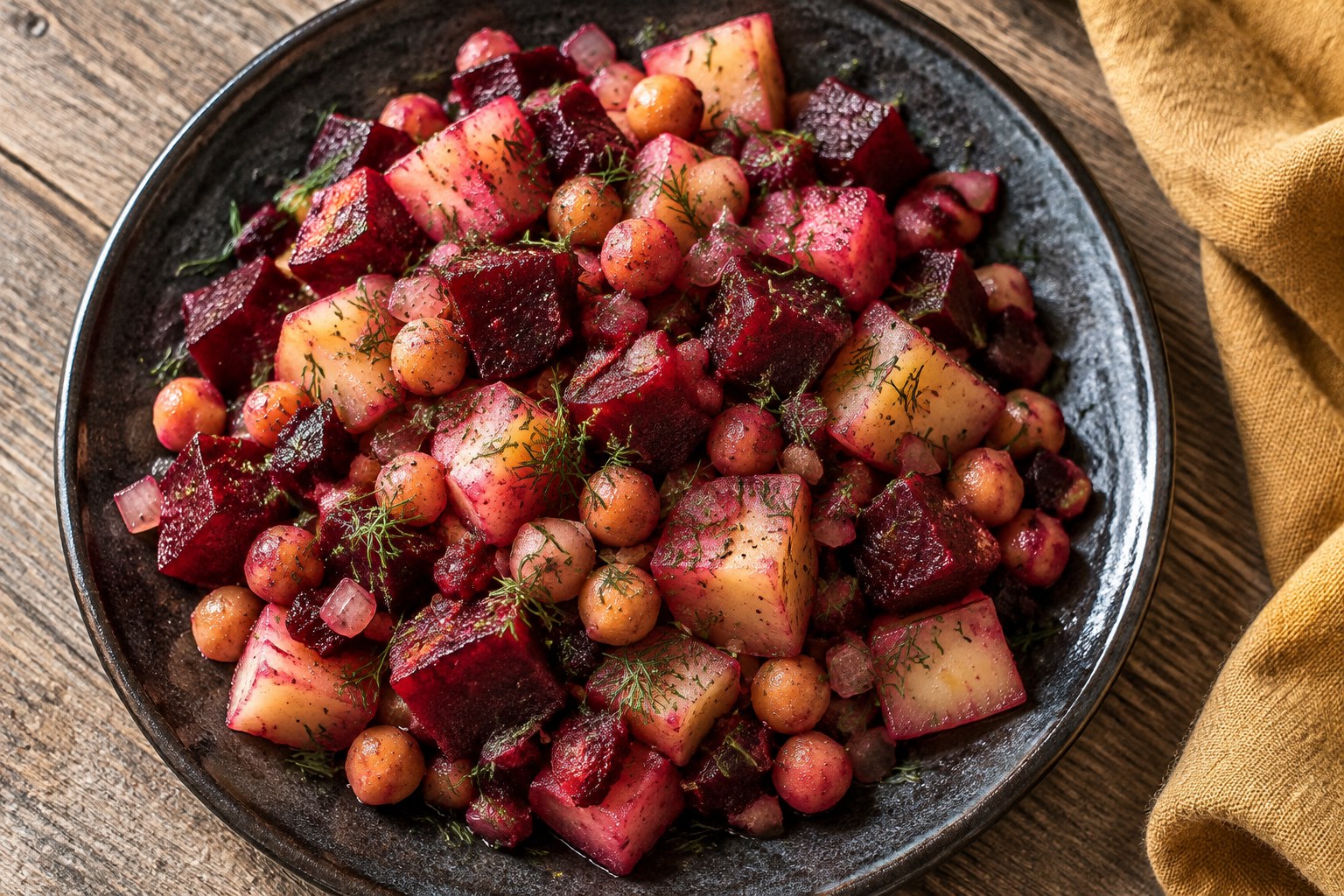
breakfast
Beet and Chickpea Skillet with Dill
Beans, lentils & chickpeas
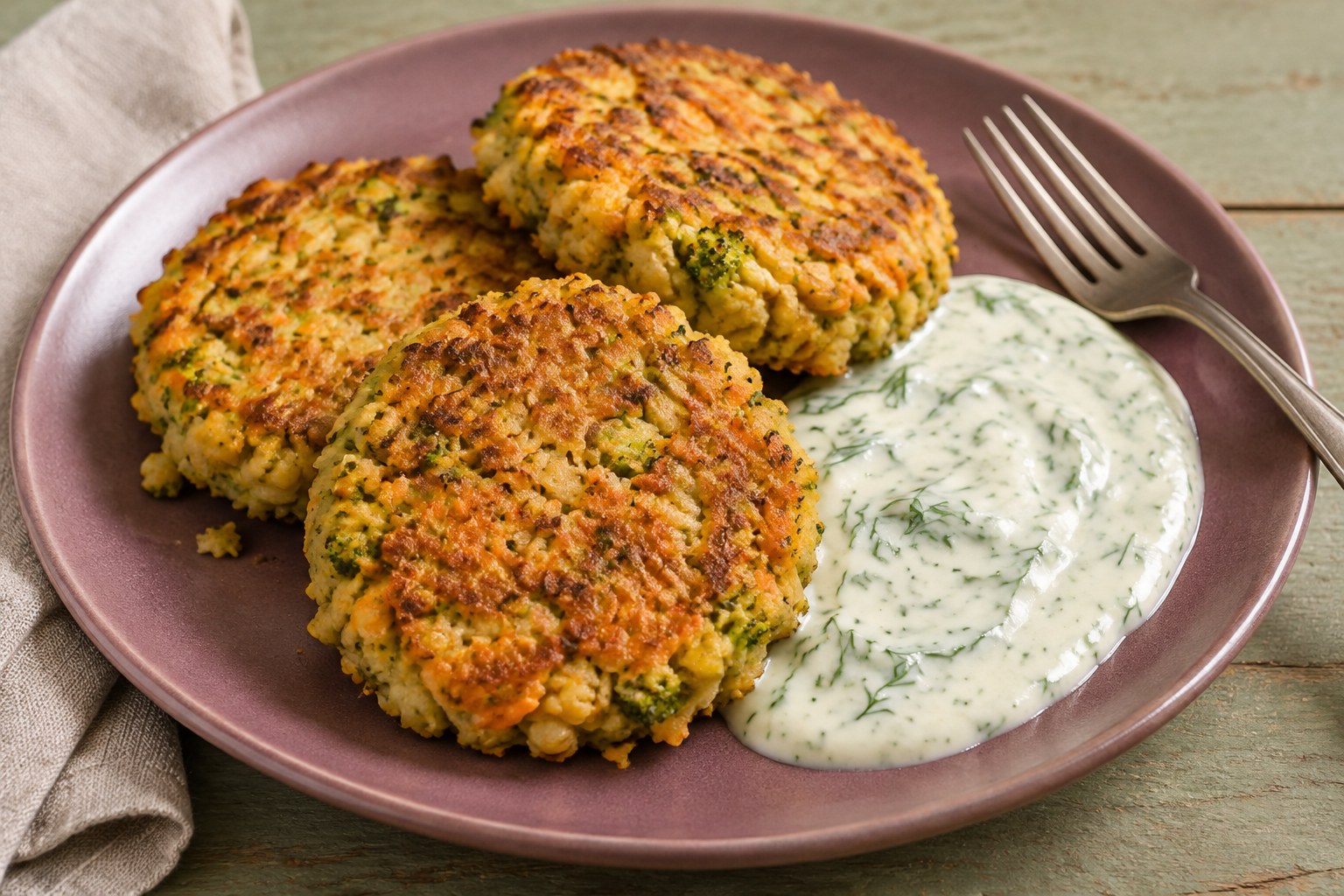
lunch
Baked Chickpea Broccoli and Carrot Patties
Beans, lentils & chickpeas · Milled flaxseed
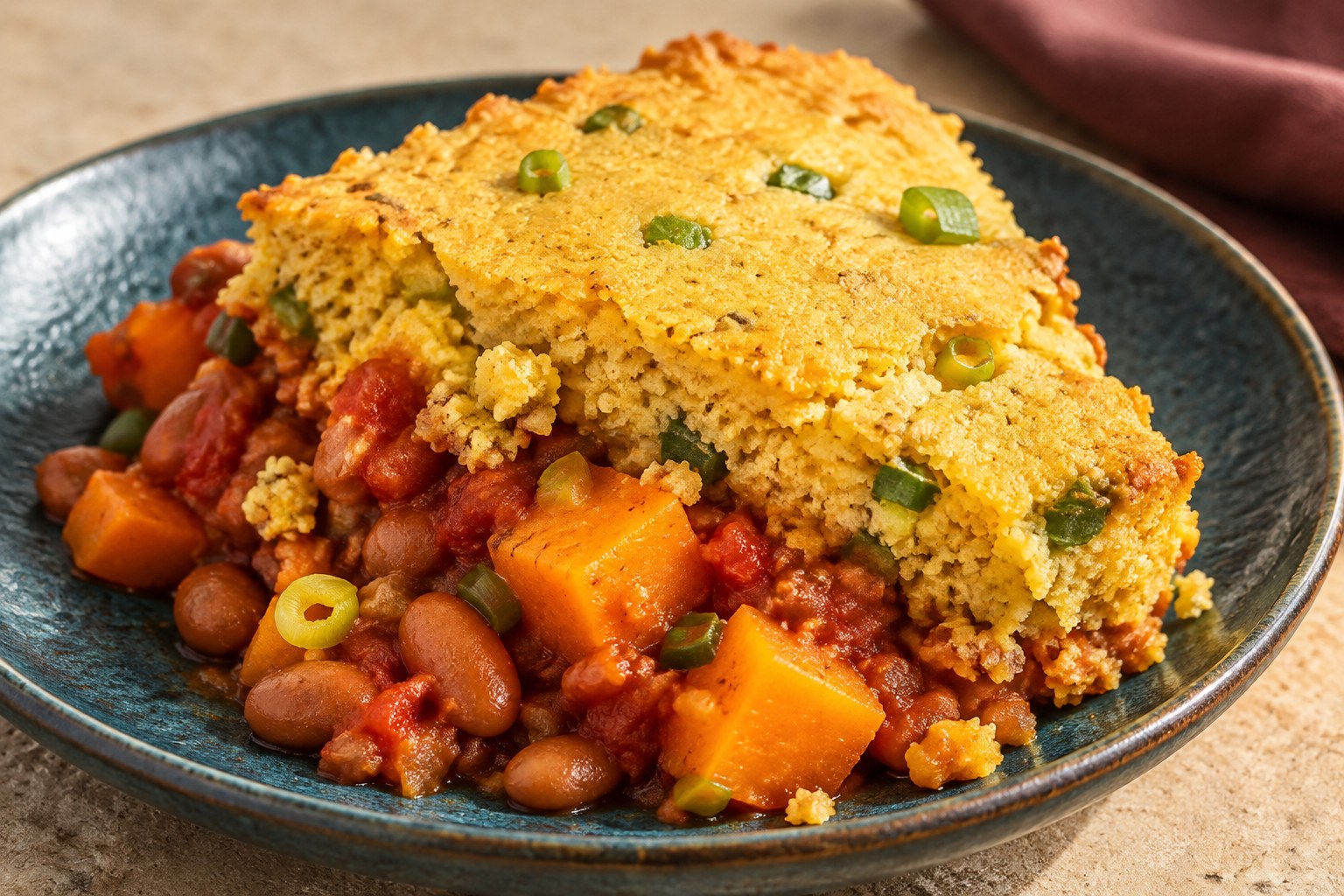
dinner
Pinto Bean Cornbread Bake with Squash and Scallions
Beans, lentils & chickpeas · Milled flaxseed
Why it works
- Beans, lentils & chickpeas: lowered C-reactive protein in a weight-loss trial. PMID 20499072
- Milled flaxseed: lowered liver enzymes and fat scores in a pilot trial. PMID 26983396
DAY 02
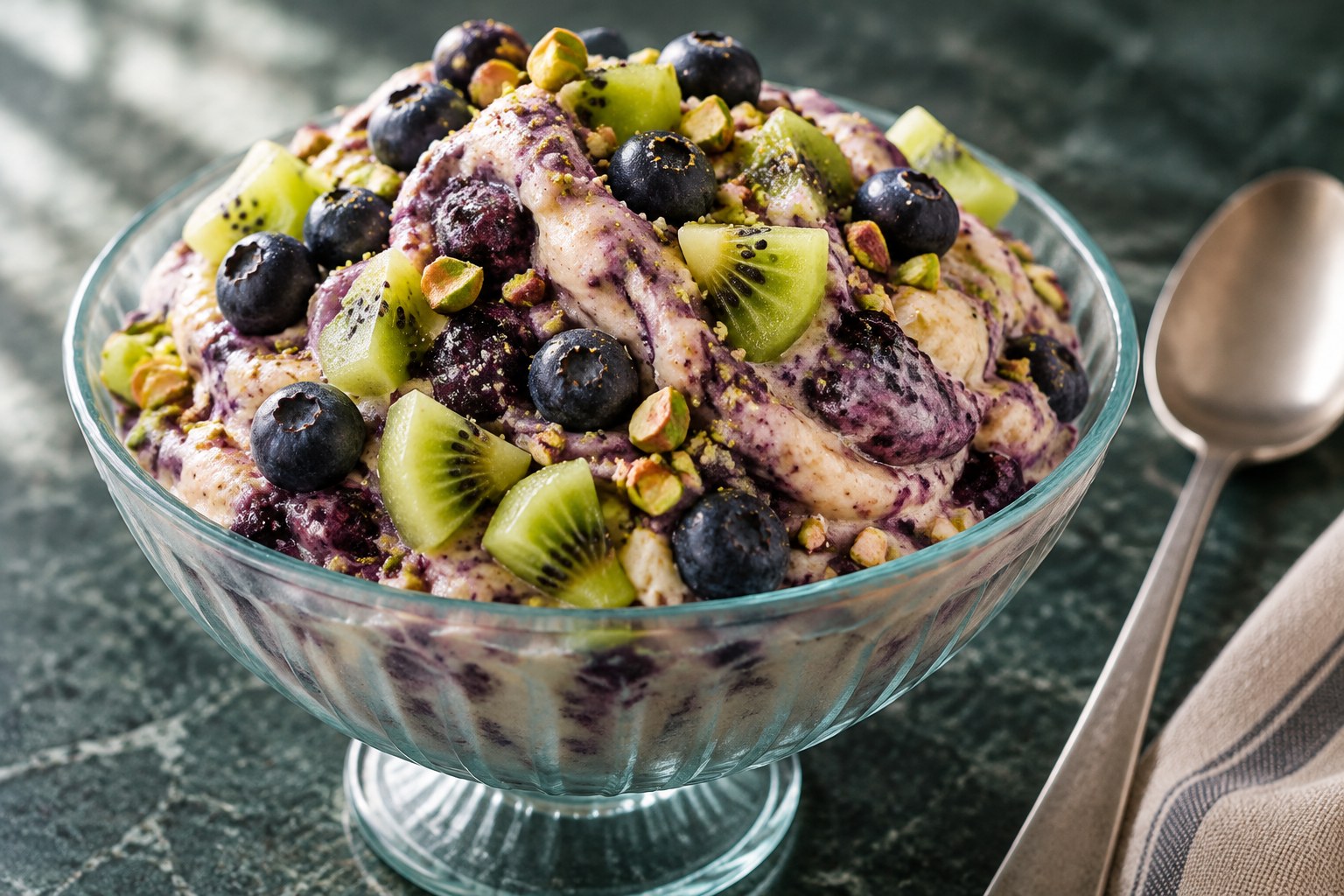
breakfast
Blueberry Kiwi Frozen Banana Swirl
Milled flaxseed
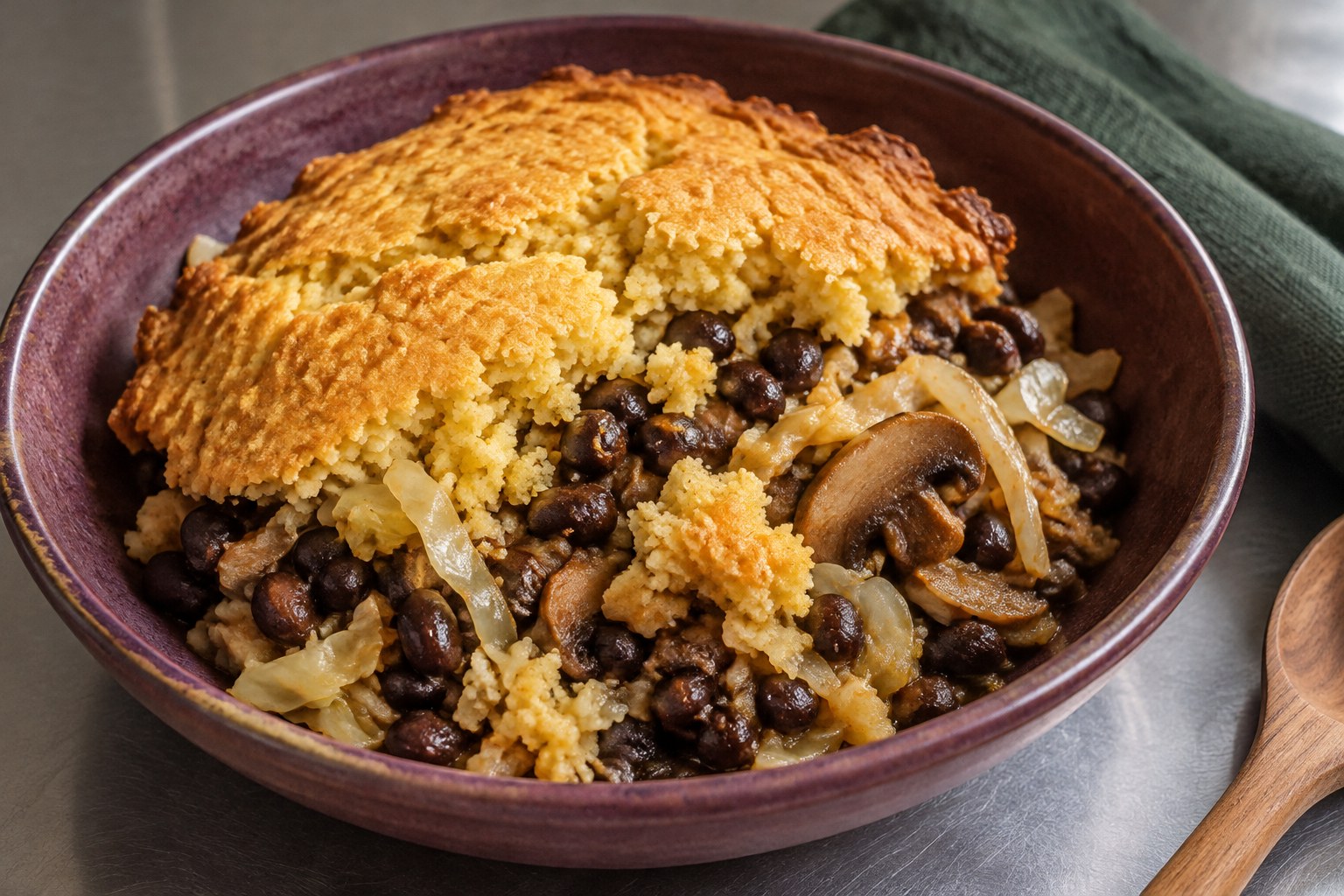
lunch
Cabbage Mushroom and Black Bean Cornbread Bake
Beans, lentils & chickpeas · Milled flaxseed
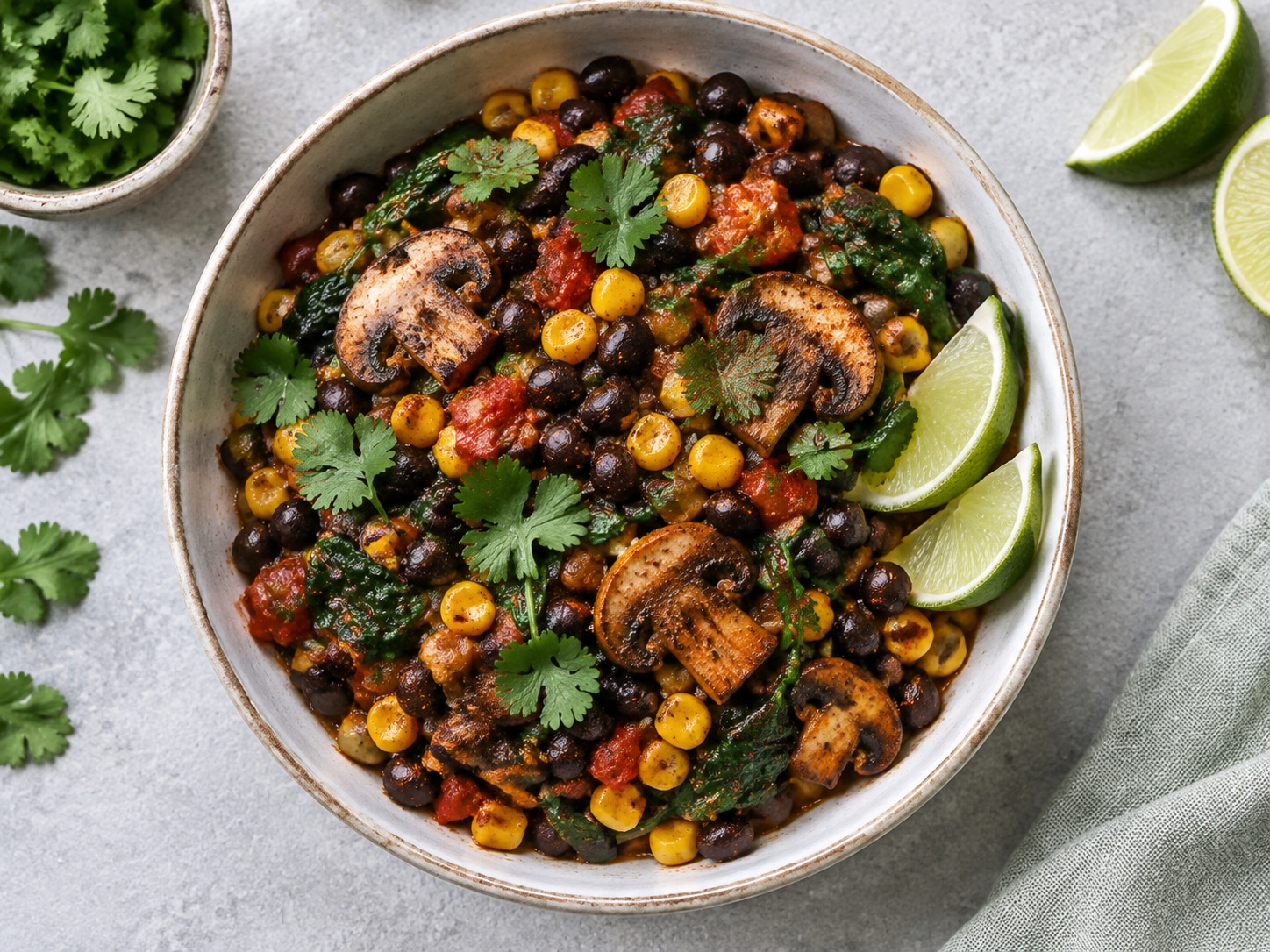
dinner
Smoky Black Bean, Mushroom & Corn Skillet
Beans, lentils & chickpeas
Why it works
- Beans, lentils & chickpeas: lowered C-reactive protein in a weight-loss trial. PMID 20499072
- Milled flaxseed: lowered liver enzymes and fat scores in a pilot trial. PMID 26983396
DAY 03
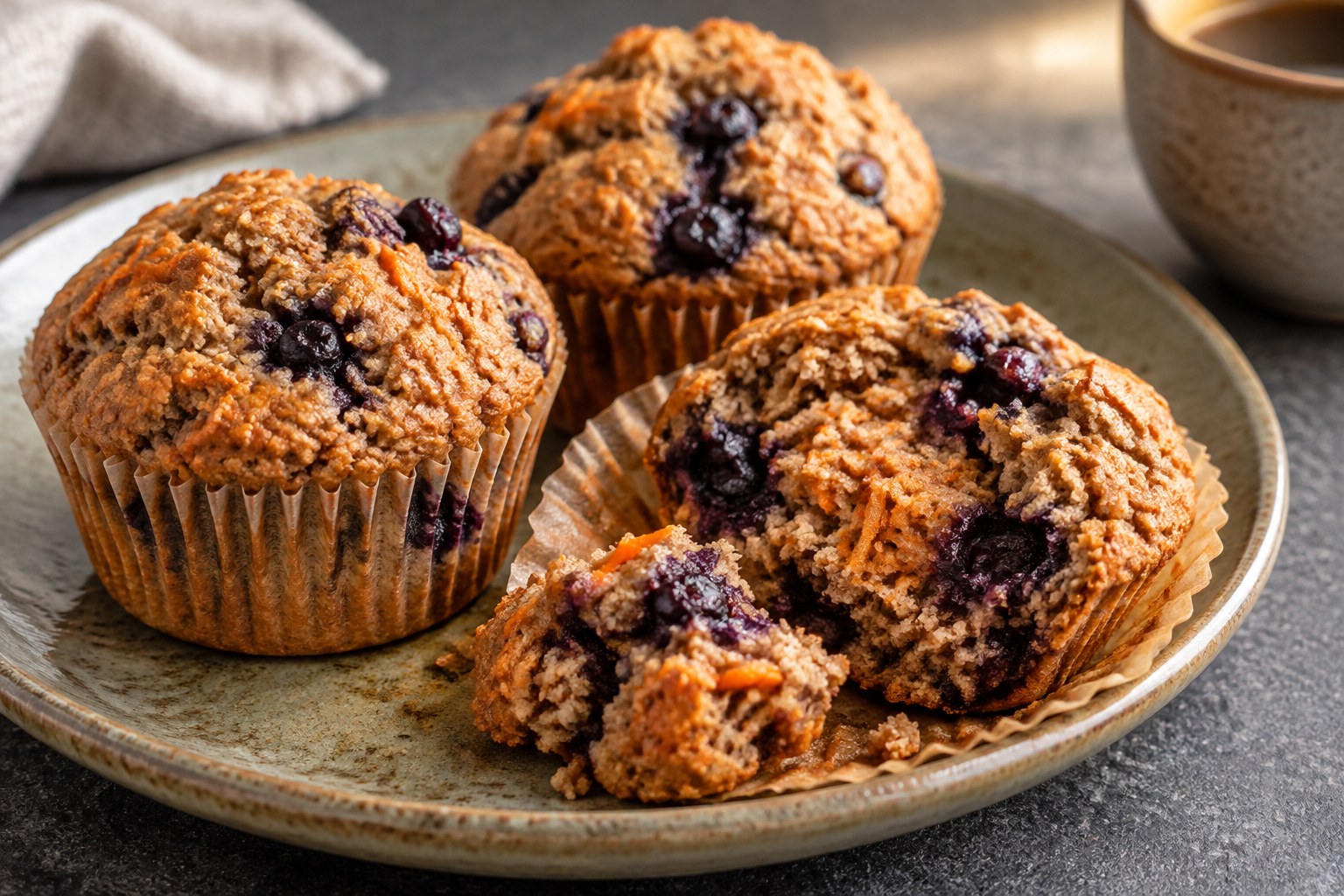
breakfast
Carrot Blueberry Buckwheat Muffins
Milled flaxseed
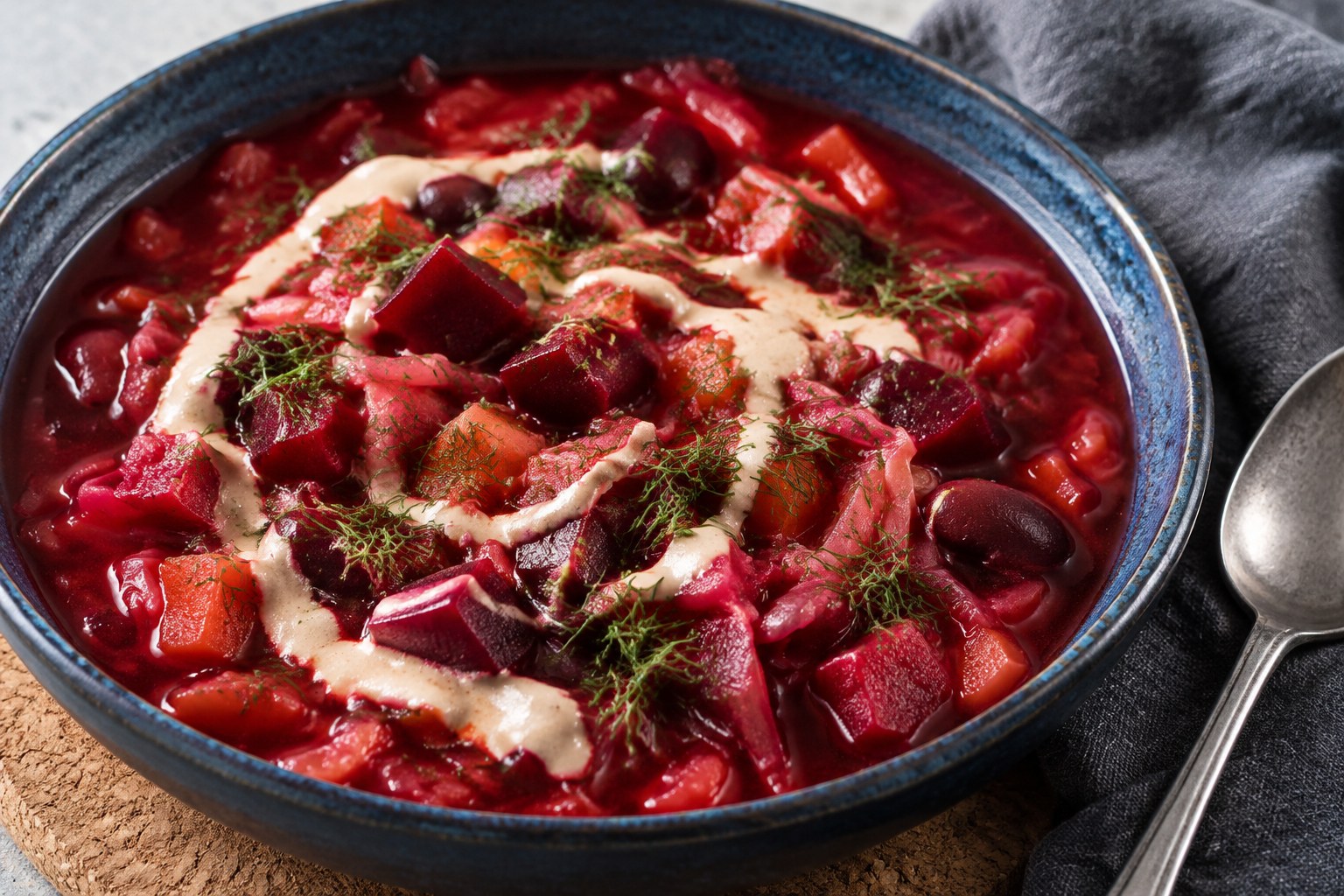
lunch
Beet Cabbage and Kidney Bean Borscht
Beans, lentils & chickpeas
dinner
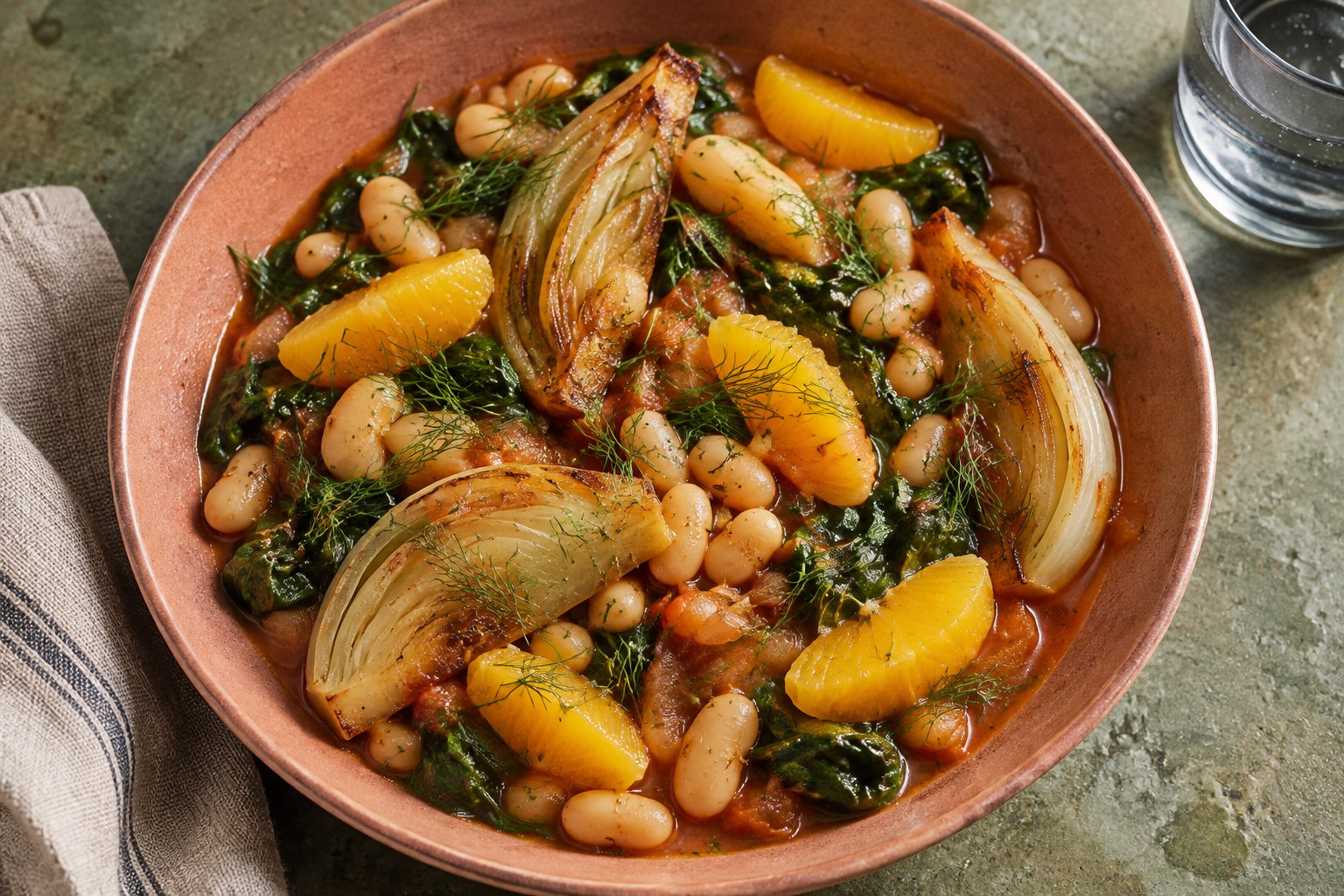
Orange Fennel and White Bean Covered Pan
Beans, lentils & chickpeas
Why it works
- Beans, lentils & chickpeas: lowered C-reactive protein in a weight-loss trial. PMID 20499072
- Milled flaxseed: lowered liver enzymes and fat scores in a pilot trial. PMID 26983396
The studies behind these 2 foods
- Beans, lentils & chickpeas. On a calorie-reduced diet, overweight adults eating four servings of legumes a week had larger falls in C-reactive protein and complement C3 than on a control diet, partly independent of weight loss. Hermsdorff HH, Zulet MÁ, Abete I, Martínez JA A legume-based hypocaloric diet reduces proinflammatory status and improves metabolic features in overweight/obese subjects. European journal of nutrition, 2011. PMID 20499072
- Milled flaxseed. In an open-label pilot trial of 50 people with fatty liver disease, 30 g a day of brown milled flaxseed plus lifestyle advice lowered liver enzymes and liver fat scores more than lifestyle advice alone. Yari Z, Rahimlou M, Eslamparast T, Ebrahimi-Daryani N, et al. Flaxseed supplementation in non-alcoholic fatty liver disease: a pilot randomized, open labeled, controlled study. International journal of food sciences and nutrition, 2016. PMID 26983396
FROM THE STUDY LIBRARY
The strongest evidence
346 peer-reviewed studies on fatty liver & inflammation, each summarized from its published abstract. Pooled reviews and trials that assigned people a diet come first. Below, the newest of each, starting with studies of plant-based, vegan or vegetarian eating.
36
Reviews & meta-analyses
Pooled results from many studies on one question.
163
Clinical trials
People assigned to a diet, food or program and measured.
65
Observational studies
Patterns in how people eat and what happens to them. Shows an association, not proof.
82
Background reviews
An expert overview of the literature, useful as background reading.
Reviews & meta-analyses
2019 / Systematic review and meta-analysis
Vegetarian dietary patterns were associated with lower levels of inflammatory and immune markers.
A meta-analysis of 30 observational studies compared inflammatory and immune markers between vegetarian and non-vegetarian patterns. Vegetarian patterns were linked to significantly lower levels of C-reactive protein (WMD -0.61 mg/L, 95% CI -0.91 to -0.32), fibrinogen (WMD -0.22 g/L, 95% CI -0.41 to -0.04), and total leukocytes (WMD -0.62 x 10^3/uL, 95% CI -1.13 to -0.10). Data from 10 intervention studies were insufficient to perform a meta-analysis.
Craddock JC, Neale EP, Peoples GE, et al. Adv Nutr, 2019. PMID 30947338
2016 / Meta-analysis of intervention trials
Plant-based diets are linked to lower levels of certain obesity-related inflammatory markers.
A systematic review and meta-analysis of 29 intervention trials comprising 2,689 participants evaluated the effects of plant-based diets on inflammatory profiles. Intake of plant-based diets was linked to reduced mean levels of C-reactive protein (effect size -0.55 mg/l, 95% CI: -0.78 to -0.32), IL-6 (-0.25 ng/l, 95% CI: -0.56 to 0.06), and sICAM (-25.07 ng/ml, 95% CI: -52.32 to 2.17). No substantial changes were observed for TNF-alpha, resistin, adiponectin, or leptin.
Eichelmann F, Schwingshackl L, Fedirko V, et al. Obes Rev, 2016. PMID 27405372
2025 / Umbrella review of systematic reviews with meta-analyses
Ultra-processed food intake was linked to higher risks of all-cause mortality, cardiovascular disease, type 2 diabetes, and colorectal cancer.
An umbrella review analyzed 16 publications of systematic reviews with meta-analyses on ultra-processed food consumption defined by the NOVA classification. Moderate certainty evidence showed increased summary risk ratios for all-cause mortality (SRR per 50 g: 1.02; 95% CI: 1.01, 1.03), cardiovascular disease incidence (per 50 g/d: 1.04; 95% CI: 1.02, 1.06) and mortality (1.05; 95% CI: 1.01, 1.08), type 2 diabetes incidence (per 10%: 1.12; 95% CI: 1.10, 1.13), and colorectal cancer (per 10%: 1.04; 95% CI: 1.01, 1.07). Similar estimates appeared for outcomes like inflammatory bowel diseases, obesity, metabolic syndrome, nonalcoholic fatty liver disease, mental health, and nutrient quality, but certainty was limited. It remains unclear whether food processing itself increases risks or if intake is merely a proxy for poor diet quality.
Shows an association, not proof of cause and effect.
Barbaresko J, Bröder J, Conrad J, et al. Crit Rev Food Sci Nutr, 2025. PMID 38363072
Clinical trials
2018 / Randomized controlled trial
Vegan fecal microbiota transplants did not lower TMAO production in metabolic syndrome.
Twenty men with metabolic syndrome received either autologous or lean vegan-donor fecal transplants. After two weeks, vegan-donor transplants altered microbial community structure toward a vegan profile in some participants. However, the intervention caused no functional changes in TMAO synthesis from choline or carnitine, aortic radiotracer uptake, or cytokine generation from isolated immune cells.
Smits LP, Kootte RS, Levin E, et al. J Am Heart Assoc, 2018. PMID 29581220
2018 / Secondary analysis of a trial (before-and-after / paired analysis)
A defined plant-based diet for 4 weeks significantly reduced lipoprotein(a), other atherogenic lipoproteins, and inflammatory markers in overweight and obese adults.
In a secondary analysis of a trial, 31 overweight and obese adults with LDL cholesterol >100 mg/dL consumed a defined plant-based diet for 4 weeks. Significant reductions were observed for serum Lp(a) (-32.0 ± 52.3 nmol/L, P = 0.003), apolipoprotein B (-13.2 ± 18.3 mg/dL, P < 0.0005), LDL particles (-304.8 ± 363.0 nmol/L, P < 0.0005), and small-dense LDL cholesterol (-10.0 ± 9.2 mg/dL, P < 0.0005). Significant reductions were also seen in IL-6, total white blood cells, Lp-PLA2, hs-CRP, and fibrinogen (all P ≤ 0.004).
Najjar RS, Moore CE, Montgomery BD Clin Cardiol, 2018. PMID 30014498
2018 / Randomized controlled trial
A vegan diet reduced high-sensitivity C-reactive protein in patients with coronary artery disease.
An open-label randomized trial assigned 100 participants with coronary artery disease to 8 weeks of a vegan diet or an American Heart Association diet. The vegan diet resulted in a 32% lower high-sensitivity C-reactive protein level compared to the AHA diet (adjusted β, 0.67; 95% CI, 0.47-0.94; P = 0.02). Reductions in body mass index, waist circumference, and glycemic control markers did not differ significantly between groups.
Shah B, Newman JD, Woolf K, et al. J Am Heart Assoc, 2018. PMID 30571591
FROM THE KITCHEN
More recipes with foods studied for liver fat and inflammation
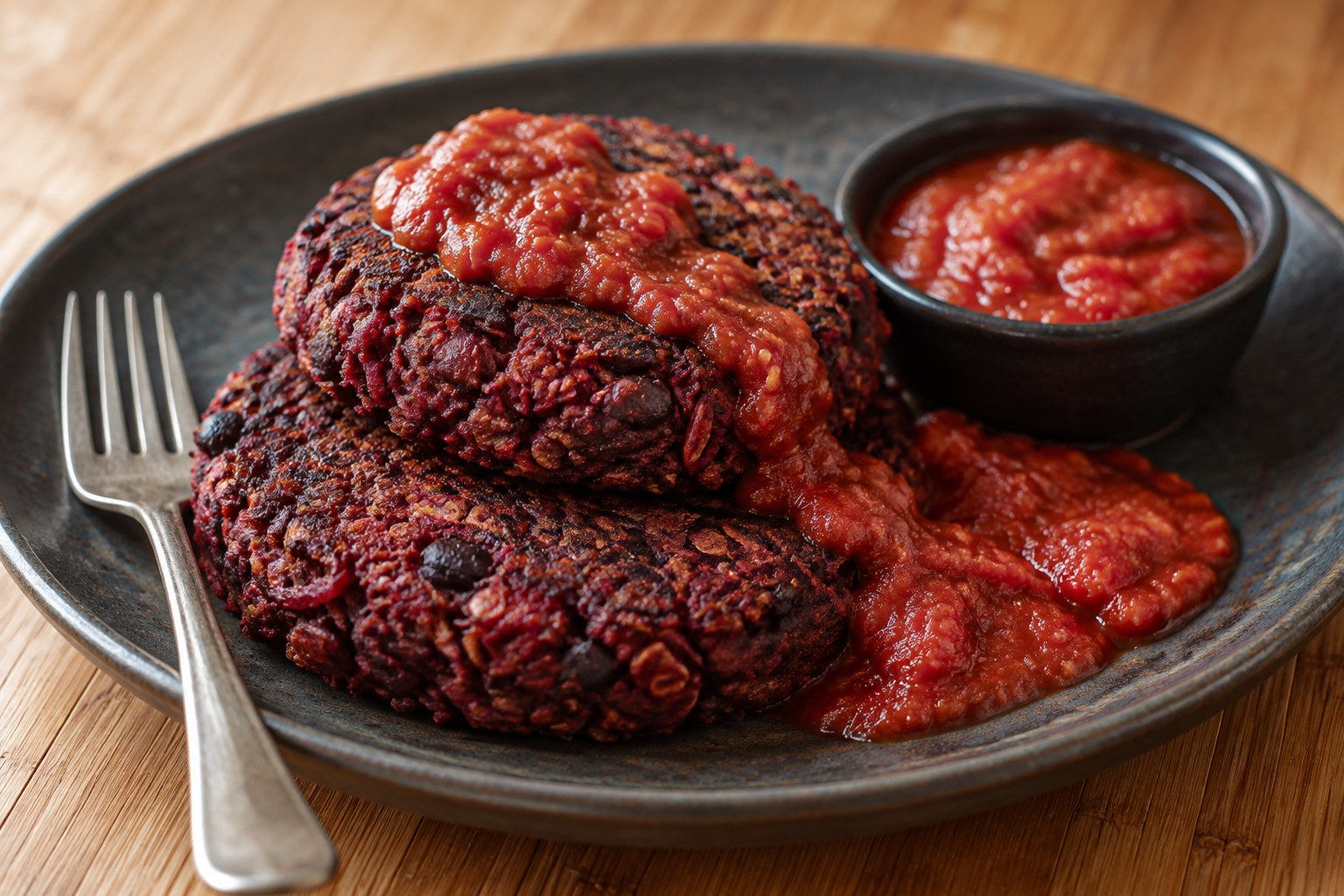
Baked Black Bean Beet and Oat Burgers
Beans, lentils & chickpeas · Milled flaxseed
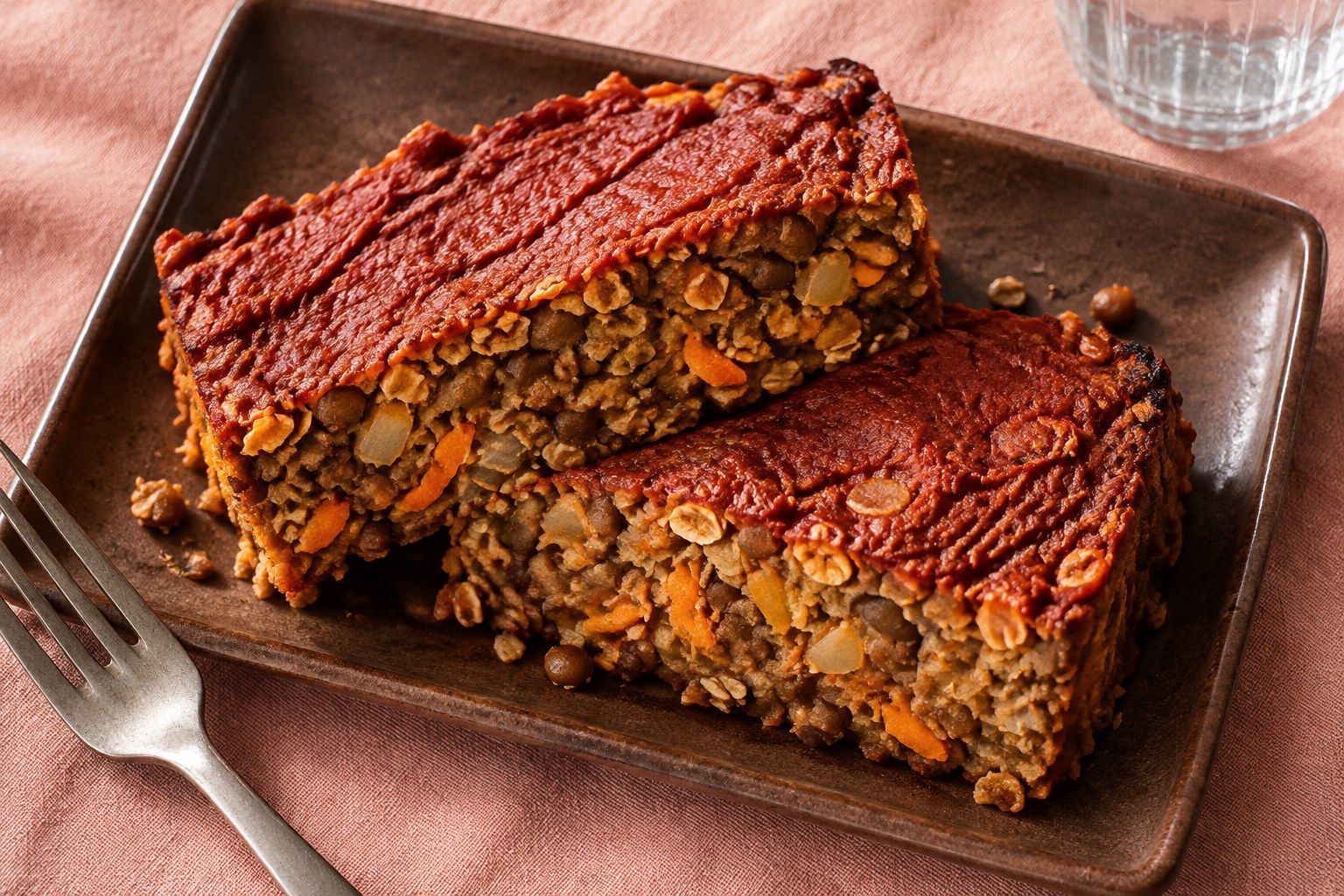
Garlic Lentil Lunch Loaf
Beans, lentils & chickpeas · Milled flaxseed
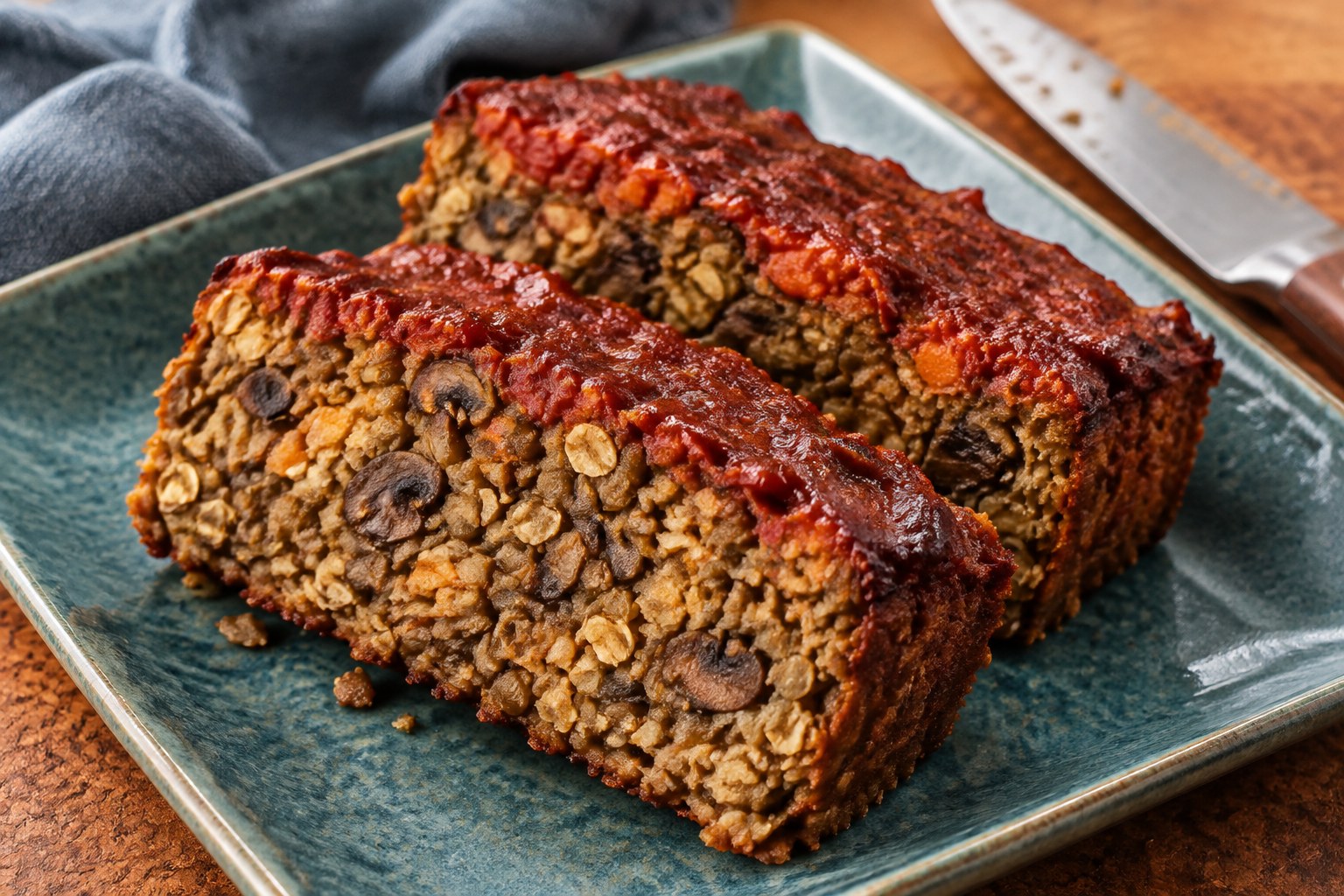
Mushroom Oat Loaf with Tangy Tomato Top
Beans, lentils & chickpeas · Milled flaxseed
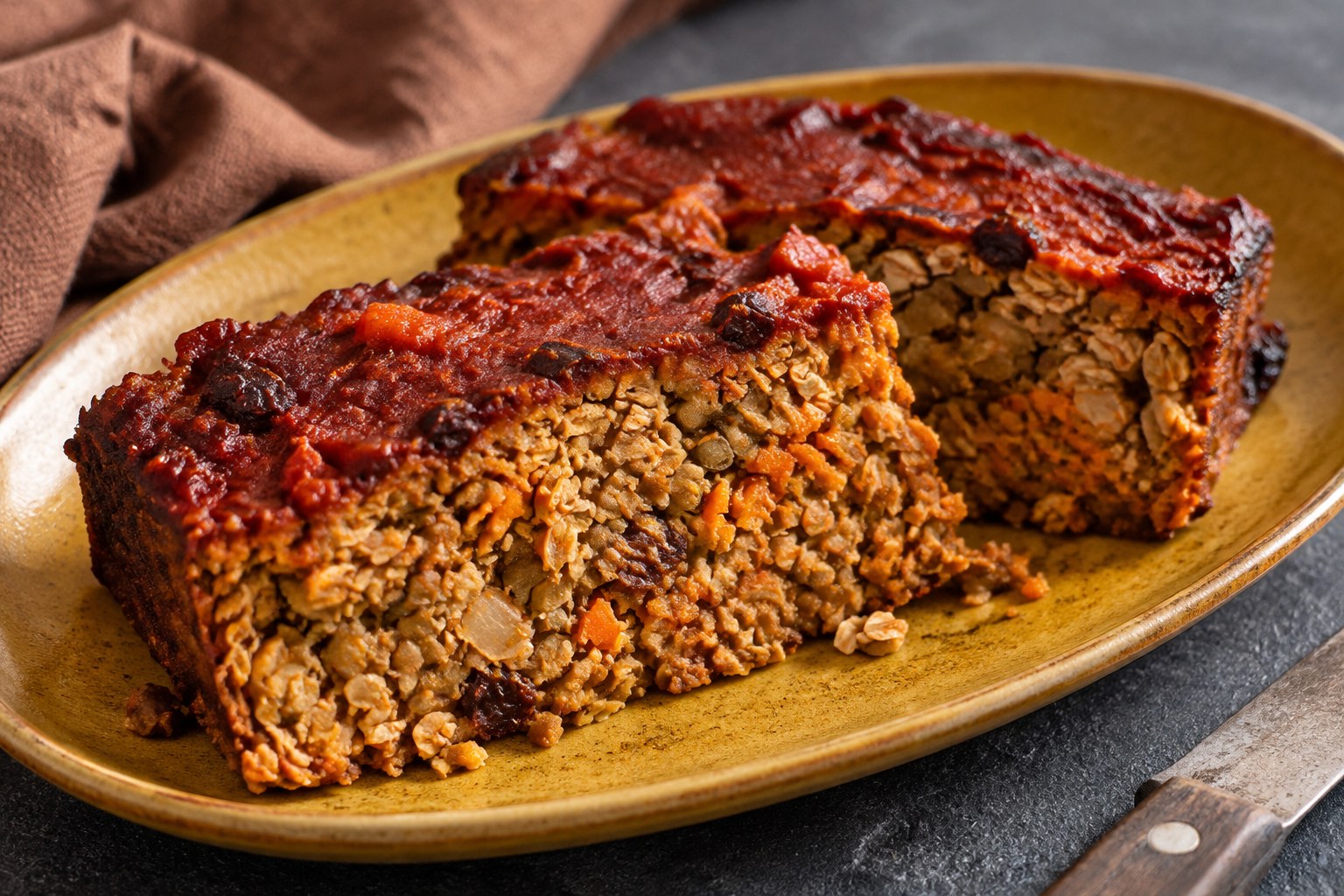
Prune and Lentil Lunch Loaf
Beans, lentils & chickpeas · Milled flaxseed
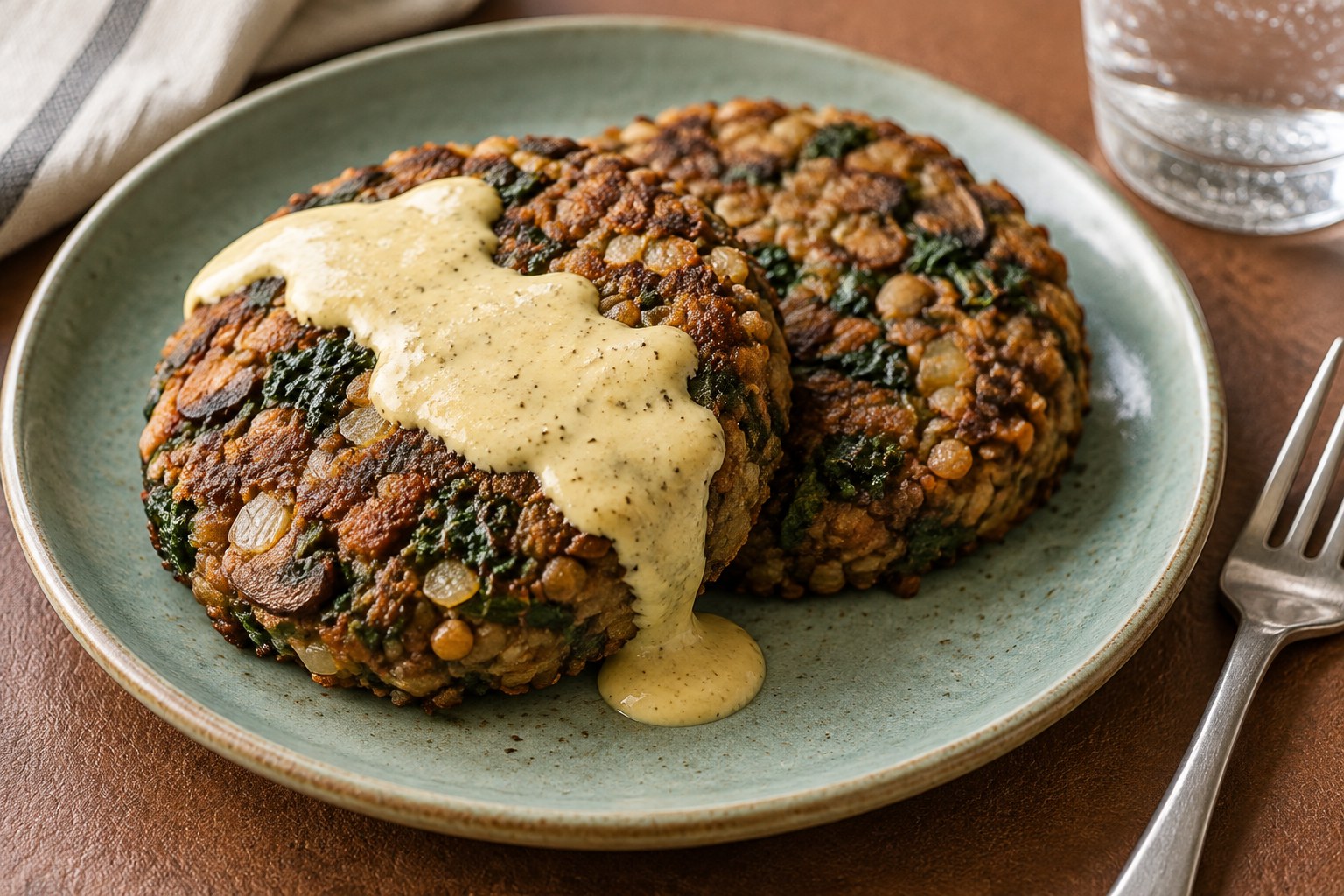
Baked Lentil Mushroom and Kale Cakes
Beans, lentils & chickpeas · Milled flaxseed
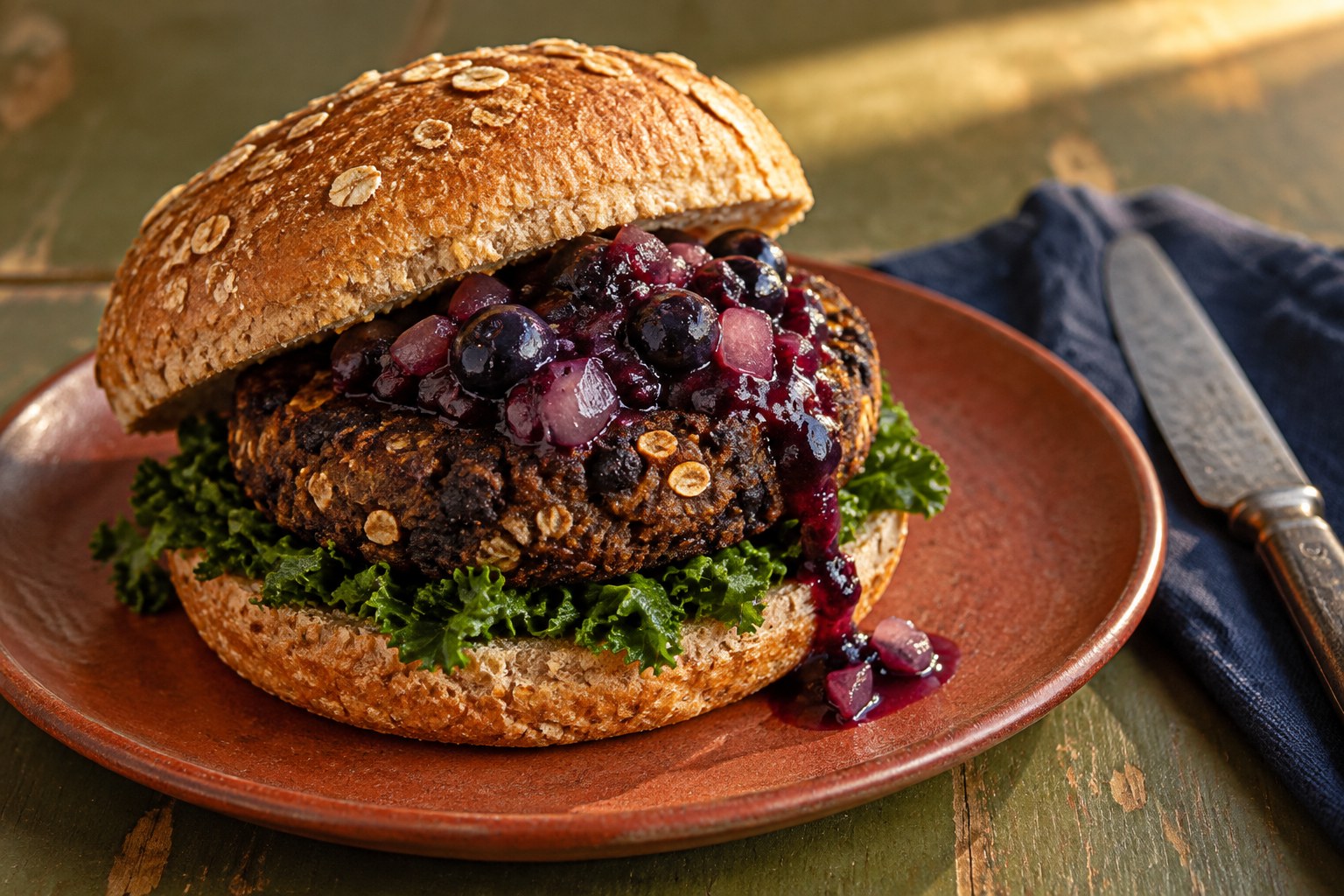
Black Bean Oat Burgers with Blueberry Relish
Beans, lentils & chickpeas · Milled flaxseed