HEALTH DESKS / Bones & Muscles
Strong bones and muscles on plants take planning, not luck.
Bones & Muscles. Prunes preserved hip bone density in a year-long trial, while large studies show vegan diets need careful planning for bone health.
The biological mechanism, unpacked.
In a 12-month randomized trial of 235 postmenopausal women, 50 g of prunes a day preserved total hip bone density while the control group lost 1.1%. In a 12-week weight-training study, habitual vegan men on a high-protein plant diet (about 1.6 g of protein per kg a day, with soy protein) gained leg muscle and strength as well as protein-matched omnivores.
The limit of the evidence. A meta-analysis found lower bone density in vegetarians and vegans and higher fracture rates in vegans, and in EPIC-Oxford vegans had more than twice the hip-fracture risk of meat eaters. Plan calcium, vitamin D and protein deliberately, and ask your clinician about bone testing.
De Souza MJ, Strock NCA, Williams NI, Lee H, et al.. The American journal of clinical nutrition, 2022. PMID 35798020 · DOI
Inside the desk
Dietary calcium and fractures: a nonlinear cohort result ↗
The Swedish findings support neither unlimited calcium nor ignoring low intake.
Prunes and hip density: the lower dose had the clearer trial result ↗
A year-long trial measured preservation of hip bone density, not observed fracture prevention.
Vegan fractures in EPIC-Oxford: calcium was not the whole explanation ↗
A prospective cohort found higher fracture rates in vegans, but it did not prove the cause or test a remedy.
Plant versus animal protein: lean mass is not strength ↗
Randomized-trial pooling found different answers depending on the muscle outcome and age group.
Soy isoflavones and bone density: small pooled changes, mixed preparations ↗
Eighteen randomized trials found modest bone-density differences after menopause, but the abstract does not establish fracture prevention.
Key studies
2011
Comparative effects of dried plum and dried apple on bone in postmenopausal women.
In 160 postmenopausal women with low bone density, 100 g of dried plums a day for a year increased spine and forearm bone density compared with dried apple; both groups also took calcium and vitamin D.
Hooshmand S, Chai SC, Saadat RL, Payton ME, et al.. The British journal of nutrition, 2011. PMID 21736808 · DOI
2021
Animal Protein versus Plant Protein in Supporting Lean Mass and Muscle Strength: A Systematic Review and Meta-Analysis of Randomized Controlled Trials.
Protein source did not affect pooled changes in absolute lean mass or strength, although some lean-mass results favored animal protein.
Lim MT, Pan BJ, Toh DWK, Sutanto CN et al.. Nutrients, 2021. PMID 33670701 · DOI
2021
High-Protein Plant-Based Diet Versus a Protein-Matched Omnivorous Diet to Support Resistance Training Adaptations: A Comparison Between Habitual Vegans and Omnivores.
Nineteen habitual vegan and nineteen omnivorous young men trained with weights for 12 weeks on protein-matched diets (about 1.6 g/kg a day, with soy or whey supplements). Leg lean mass, muscle size and strength rose similarly in both groups.
Hevia-Larraín V, Gualano B, Longobardi I, Gil S, et al.. Sports medicine (Auckland, N.Z.), 2021. PMID 33599941 · DOI
2022
Prunes preserve hip bone mineral density in a 12-month randomized controlled trial in postmenopausal women: the Prune Study.
Fifty grams of prunes daily preserved total hip bone density relative to control, while the higher-dose comparison was not significant and had greater dropout.
De Souza MJ, Strock NCA, Williams NI, Lee H, et al.. The American journal of clinical nutrition, 2022. PMID 35798020 · DOI
2022
The Role of Soy Isoflavones in the Prevention of Bone Loss in Postmenopausal Women: A Systematic Review with Meta-Analysis of Randomized Controlled Trials.
A meta-analysis of 18 randomized trials found modest favorable bone mineral density differences with varied soy isoflavone interventions in menopausal women.
Barańska A, Kanadys W, Bogdan M, Stępień E et al.. Journal of clinical medicine, 2022. PMID 36012916 · DOI
Registry entries are individual publications, not endorsements of a researcher’s entire body of work. Campbell and Greger are not listed as trial authors here without a verified, relevant publication.
Three days, on the plate.
Nine different recipes, each with at least one food studied for bone health. An illustrative pattern, not a treatment or complete nutrition prescription; portions, allergies and medication need individual advice.
DAY 01
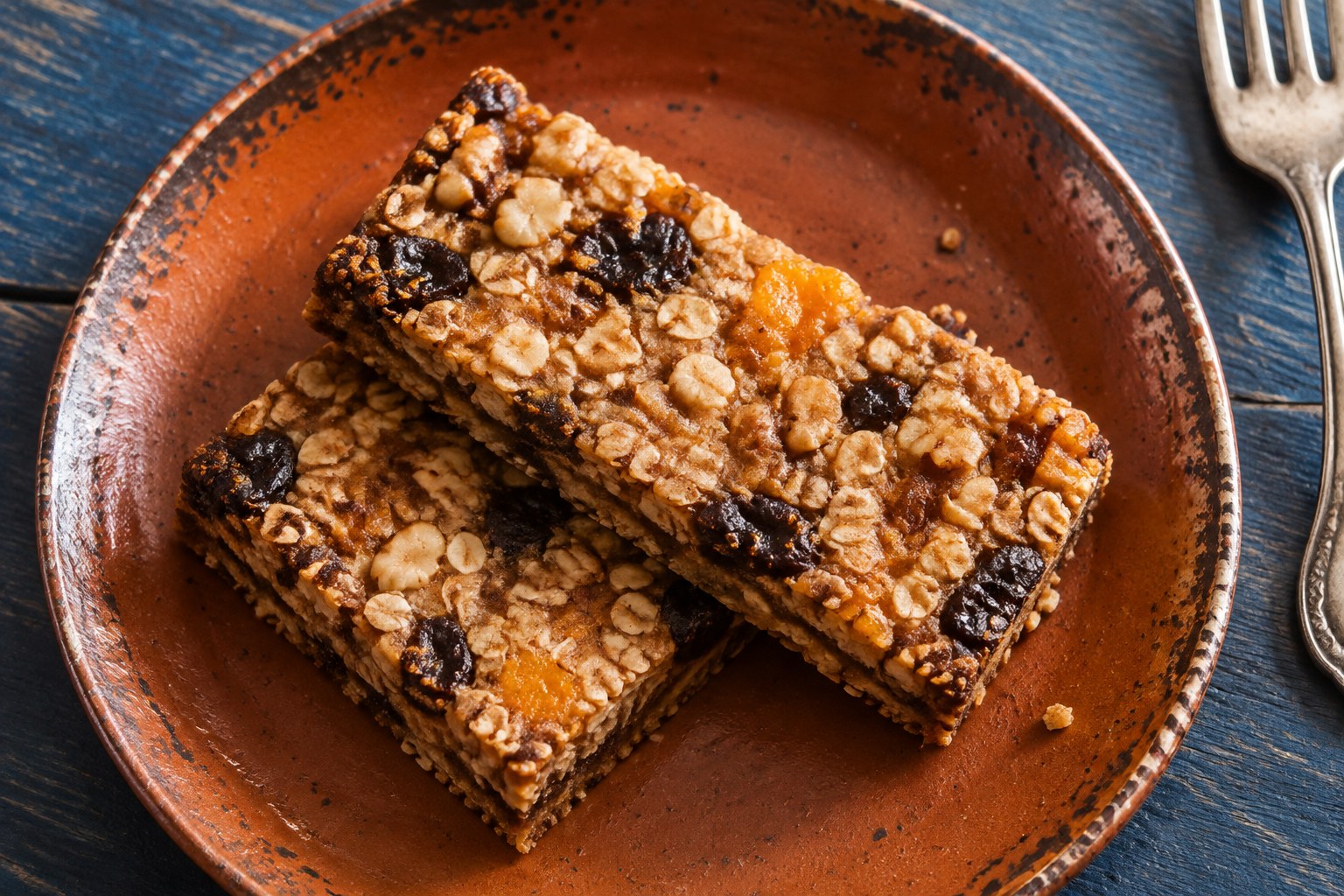
breakfast
Prune Orange Walnut Breakfast Bars
Prunes
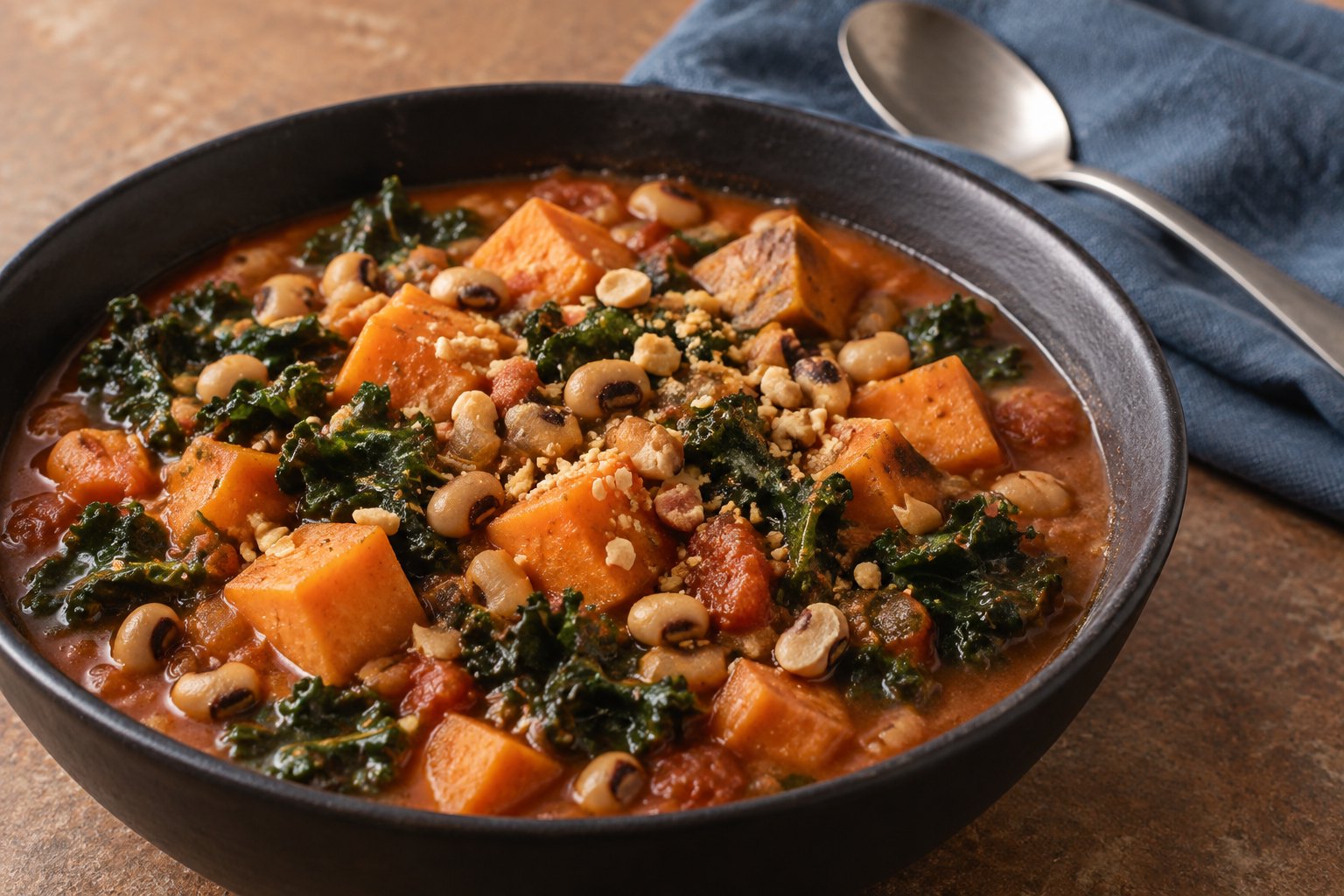
lunch
Kale Peanut and Sweet Potato Stew
Kale
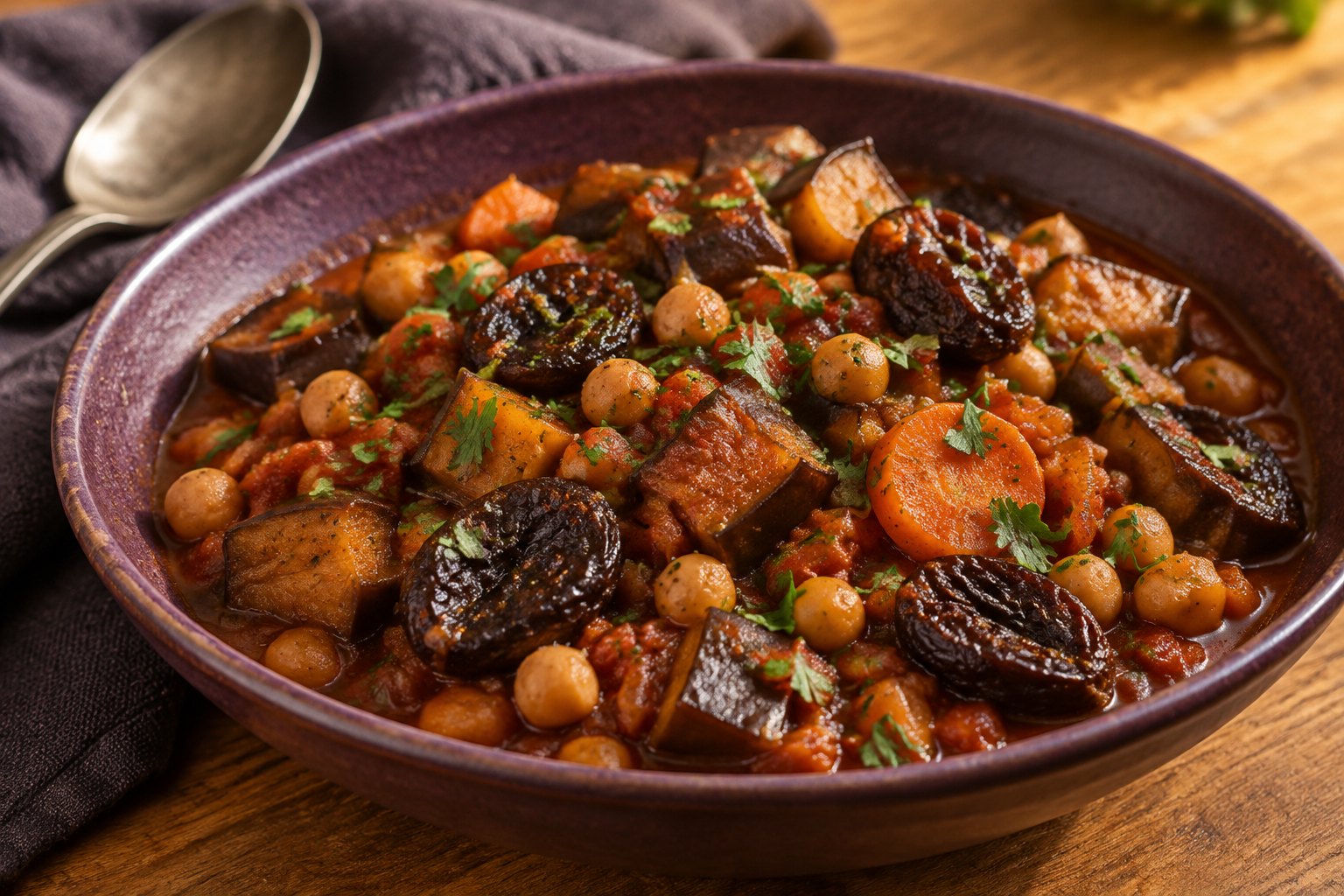
dinner
Prune Aubergine and Chickpea Cinnamon Braise
Prunes
Why it works
- Prunes: preserved hip bone density in a trial. PMID 35798020
- Kale: its calcium was well absorbed. PMID 2321572
DAY 02
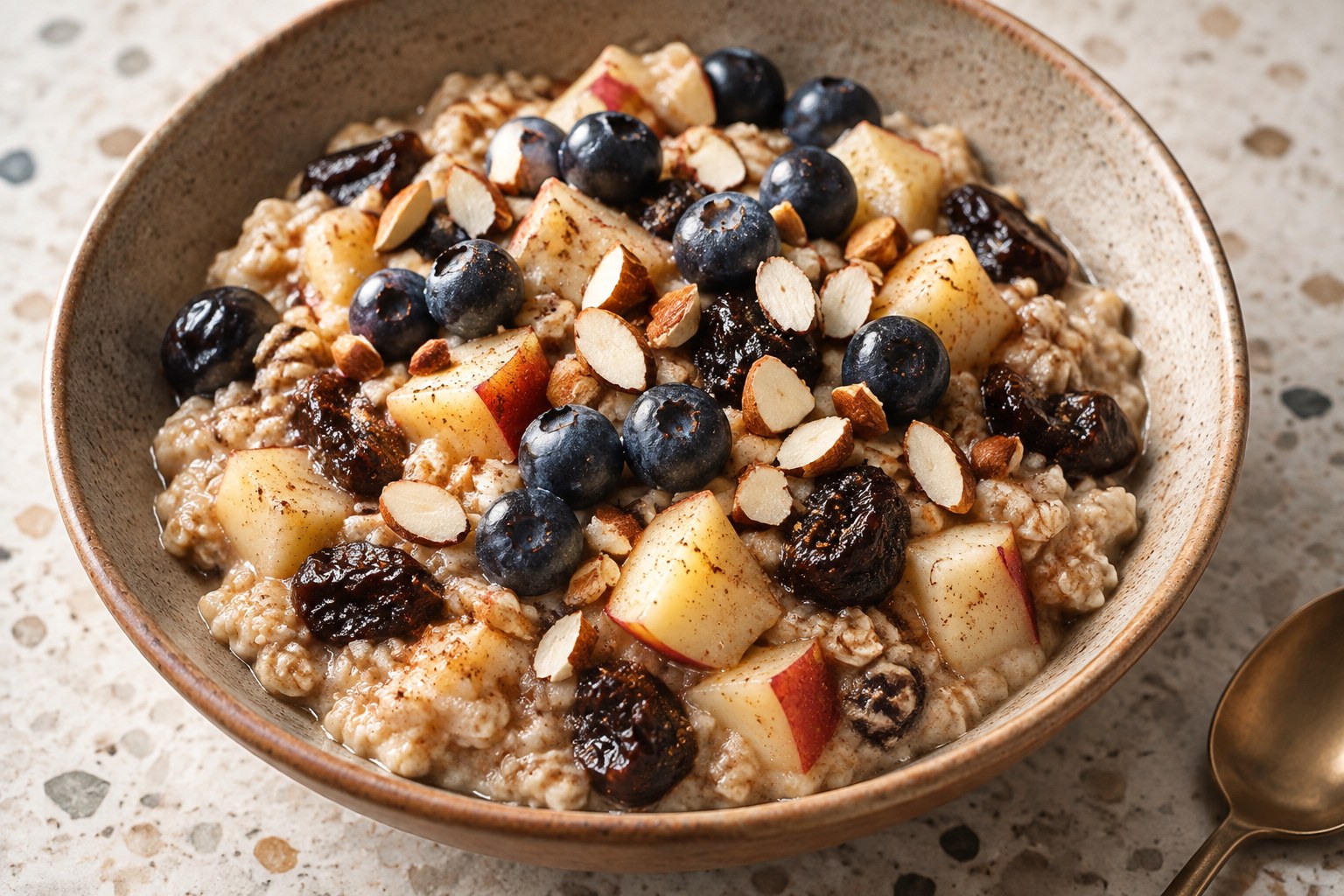
breakfast
Apple Prune Porridge with Toasted Almonds
Prunes
lunch
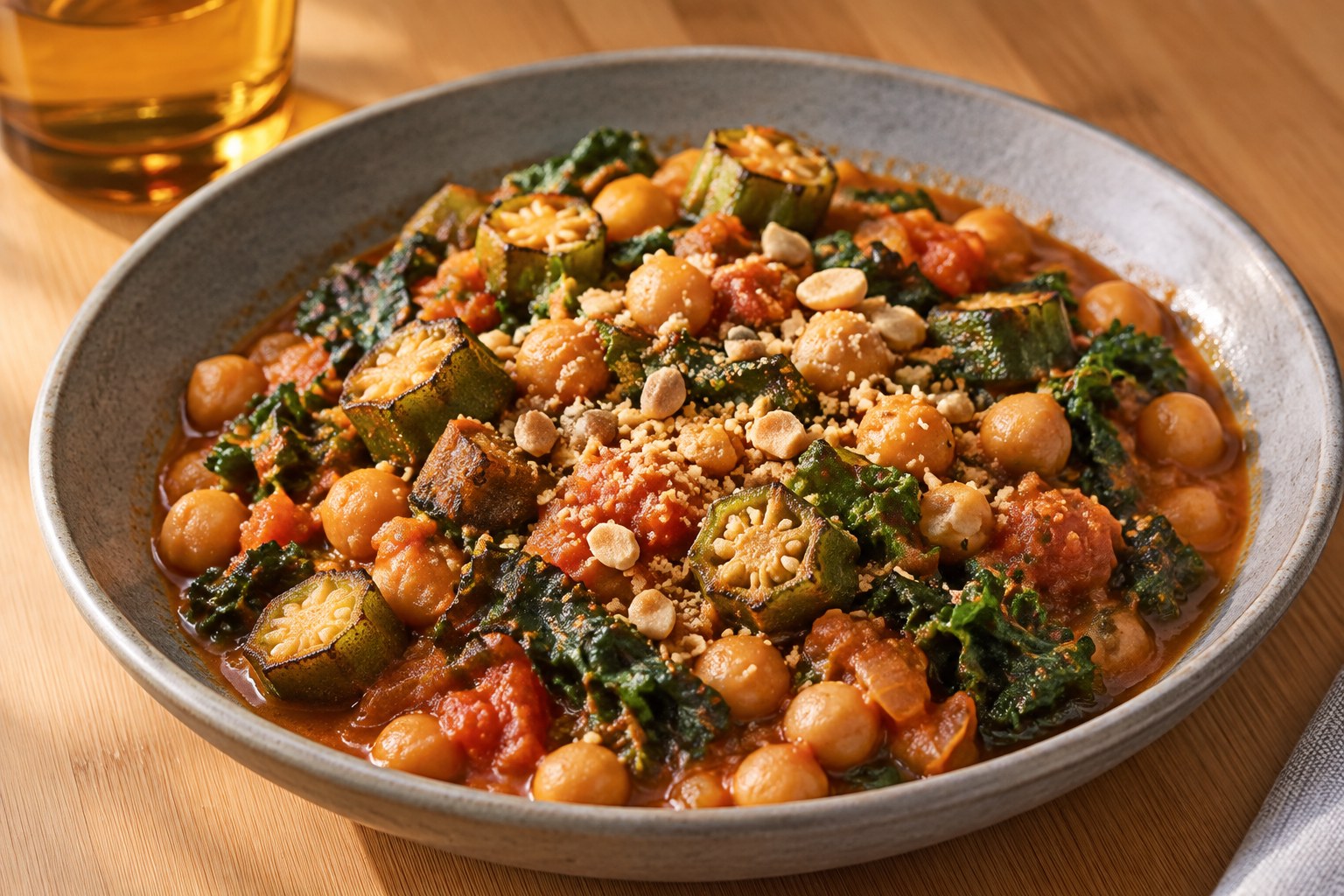
Okra Peanut and Tomato Stew with Kale
Kale
dinner
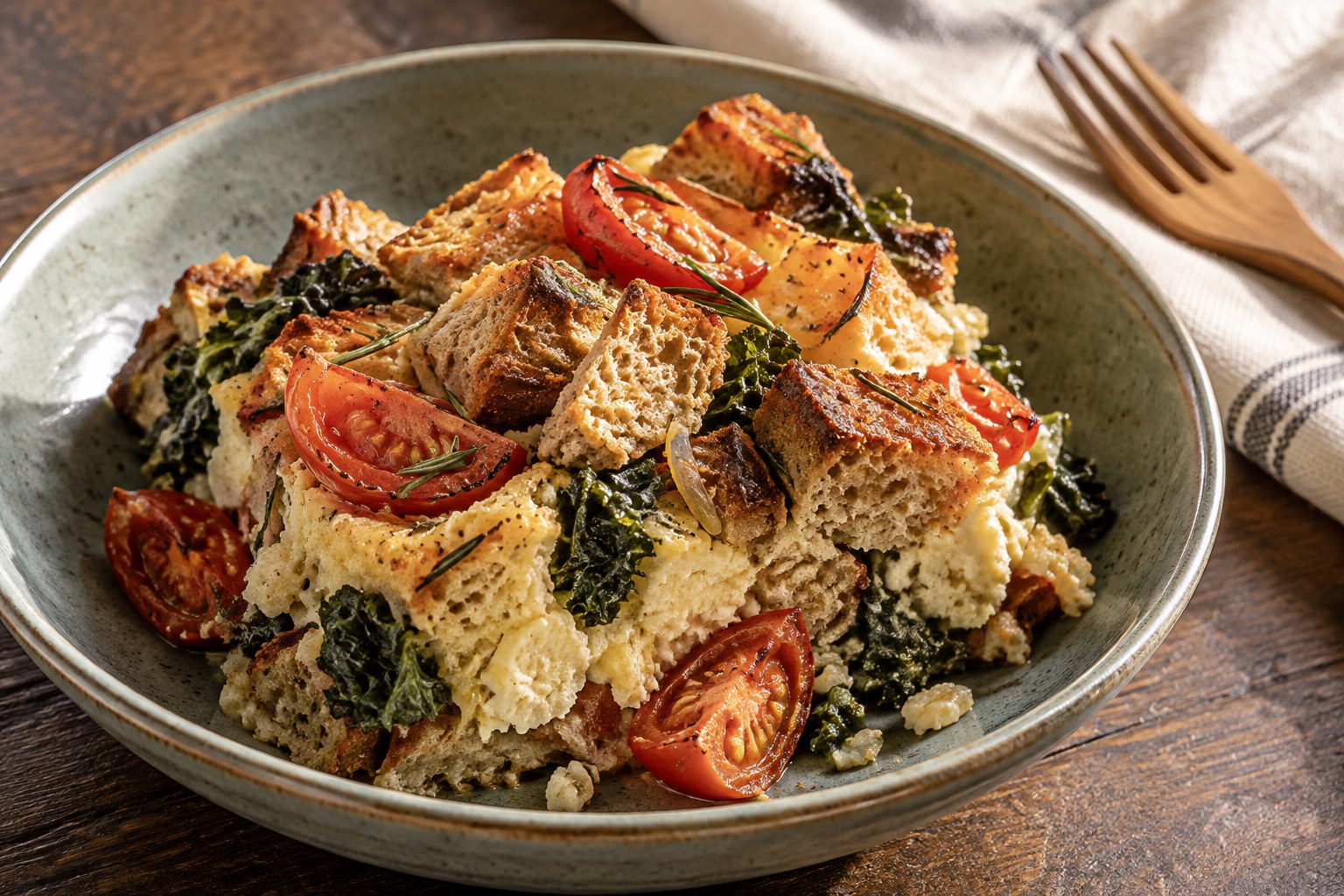
Rosemary Tomato and Tofu Bread Pudding
Kale
Why it works
- Prunes: preserved hip bone density in a trial. PMID 35798020
- Kale: its calcium was well absorbed. PMID 2321572
DAY 03
breakfast
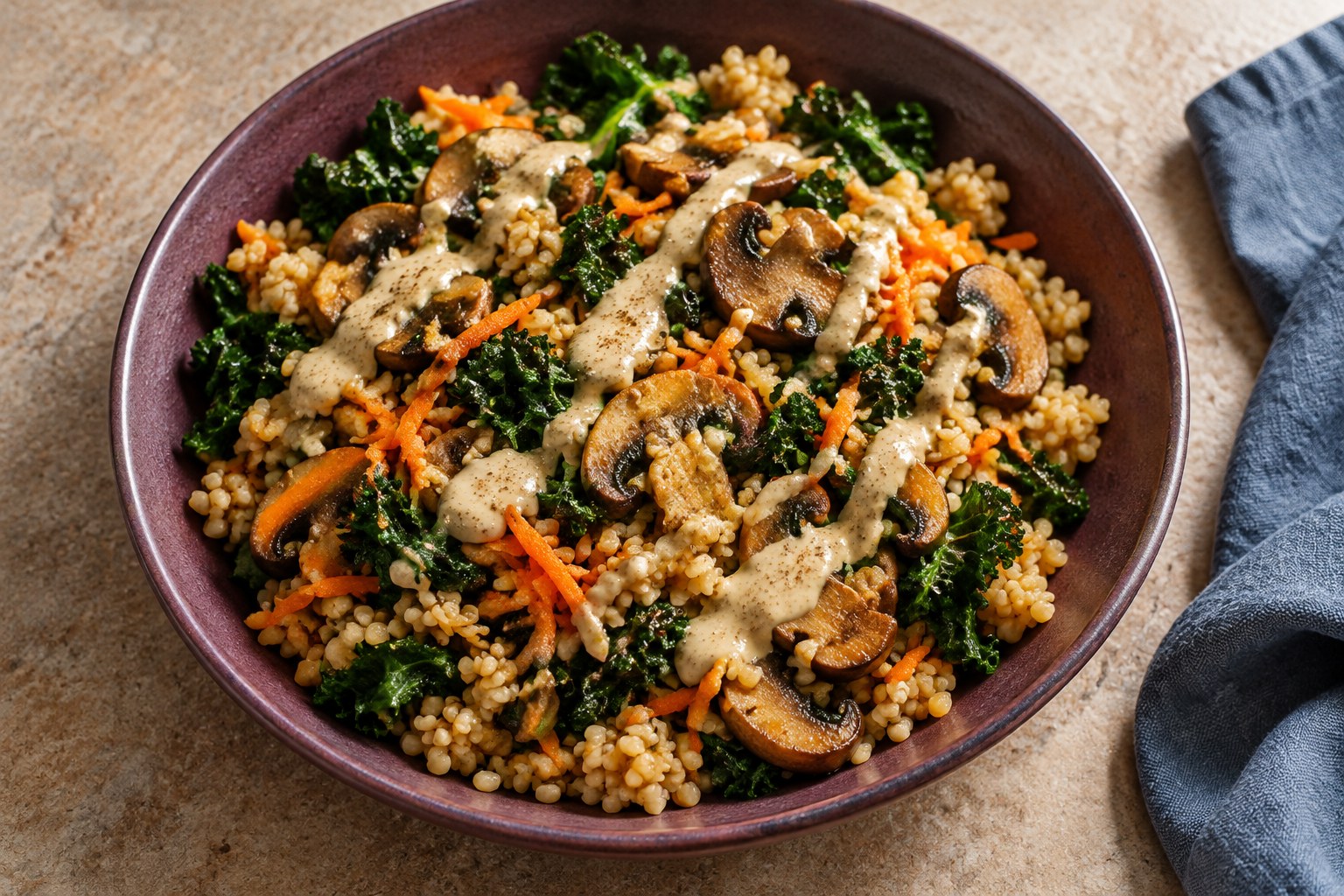
Kale and Mushroom Bulgur with Lemon Tahini
Kale
lunch
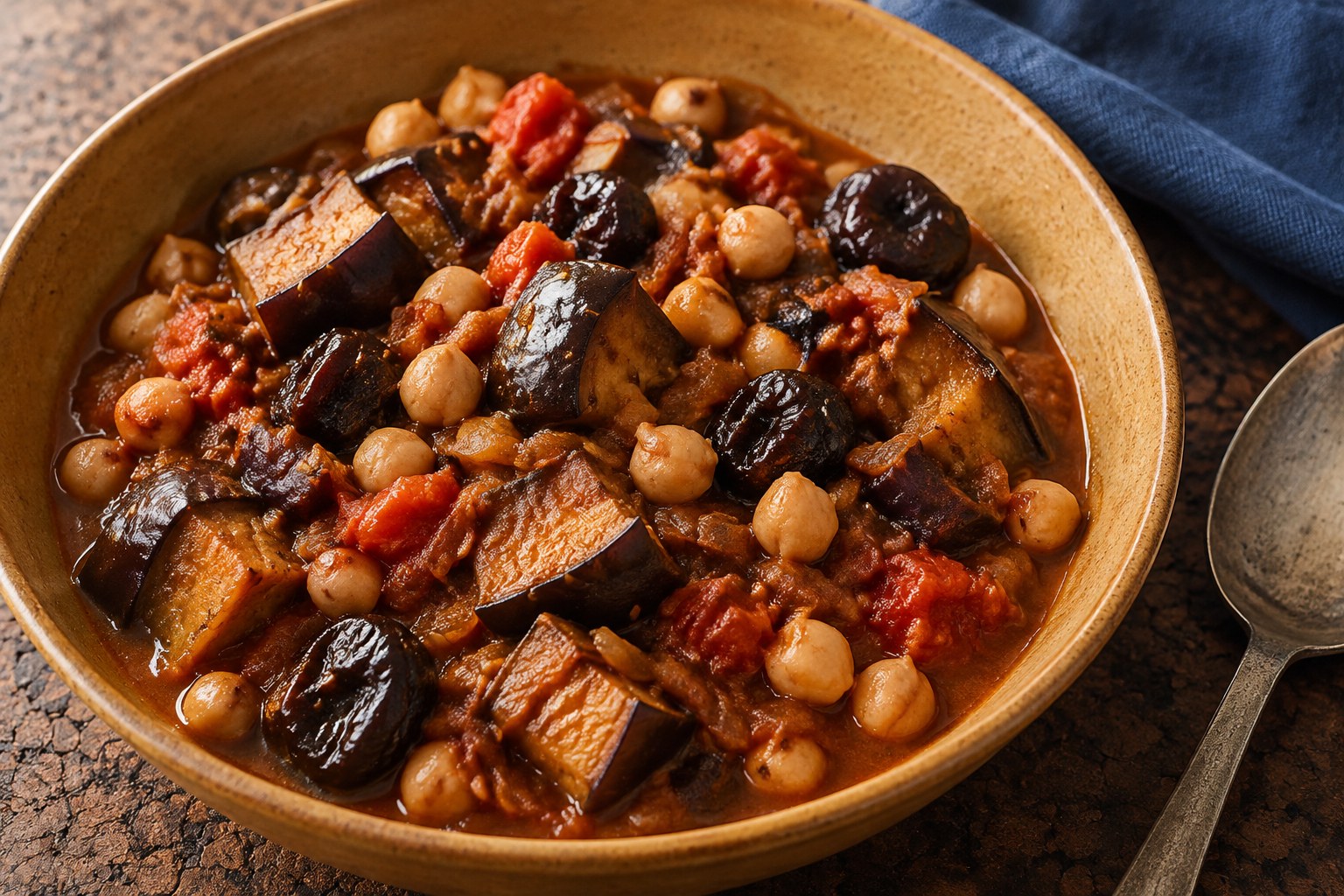
Tamarind Prune and Aubergine Chickpea Curry
Prunes
dinner
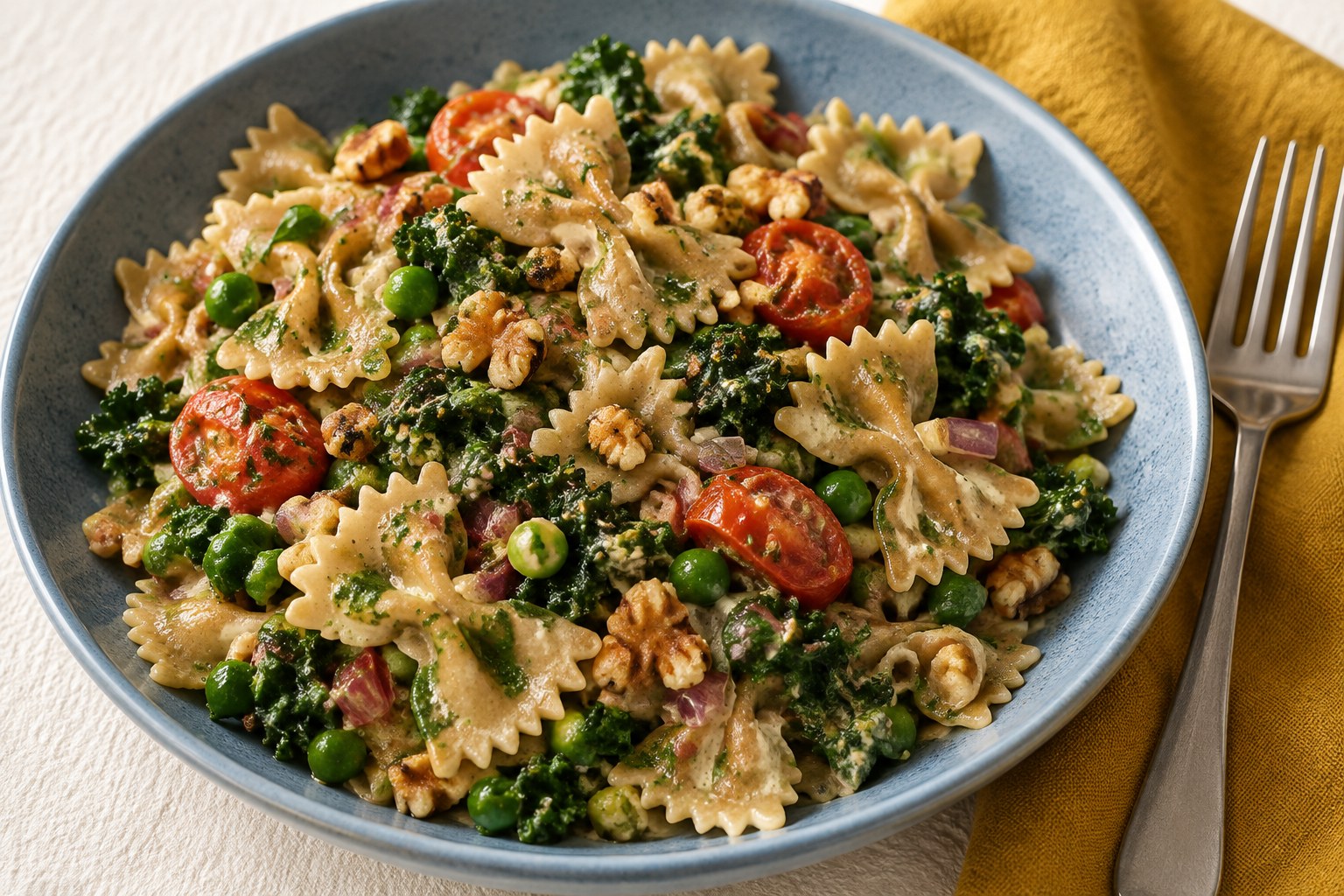
Wholegrain Farfalle with Peas Kale and Cherry Tomatoes
Kale
Why it works
- Prunes: preserved hip bone density in a trial. PMID 35798020
- Kale: its calcium was well absorbed. PMID 2321572
The studies behind these 2 foods
- Prunes. In a 12-month randomized trial of 235 postmenopausal women, 50 g of prunes a day preserved total hip bone density, while the control group lost 1.1%. De Souza MJ, Strock NCA, Williams NI, Lee H, et al. Prunes preserve hip bone mineral density in a 12-month randomized controlled trial in postmenopausal women: the Prune Study. The American journal of clinical nutrition, 2022. PMID 35798020
- Kale. In 11 women, calcium from kale was absorbed at least as well as calcium from milk (41% vs 32%), unlike the poorly absorbed calcium previously reported for spinach. Heaney RP, Weaver CM Calcium absorption from kale. The American journal of clinical nutrition, 1990. PMID 2321572
FROM THE STUDY LIBRARY
The strongest evidence
352 peer-reviewed studies on bones & muscles, each summarized from its published abstract. Pooled reviews and trials that assigned people a diet come first. Below, the newest of each, starting with studies of plant-based, vegan or vegetarian eating.
68
Reviews & meta-analyses
Pooled results from many studies on one question.
97
Clinical trials
People assigned to a diet, food or program and measured.
75
Observational studies
Patterns in how people eat and what happens to them. Shows an association, not proof.
112
Background reviews
An expert overview of the literature, useful as background reading.
Reviews & meta-analyses
2024 / Systematic review and meta-analyses of 18 studies (17 cross-sectional, 1 RCT)
Vegan diets in youth were linked to specific nutrient intake differences, lower ferritin, lipids, and height, alongside higher blood vitamin B12 levels.
A systematic review and meta-analyses of 18 studies (17 cross-sectional, 1 RCT) evaluated health outcomes in vegan children and adolescents aged 0 to 18 years. Compared to omnivores, vegans had lower intakes of protein, calcium, vitamin B2, saturated fatty acids, and cholesterol, as well as lower ferritin, HDL, LDL, and height. Vegans showed higher intakes of carbohydrates, polyunsaturated fatty acids, fiber, folate, vitamins C and E, magnesium, iron, potassium, and higher blood vitamin B12 due to supplement use. Risk of bias was high or very high in 7 of 18 studies, and evidence certainty was low (n=2) or very low (n=46).
Shows an association, not proof of cause and effect.
Koller A, Rohrmann S, Wakolbinger M, et al. Crit Rev Food Sci Nutr, 2024. PMID 37811643
2020 / Systematic review of experimental and observational studies
Plant-based diets and specific nutrient intakes may relate to pain levels in chronic musculoskeletal conditions.
A systematic review searched PubMed, Web of Science, and Embase, ultimately including 12 articles (nine experimental and three observational studies) on dietary patterns, dietary components, and chronic musculoskeletal pain. Seven of nine experimental studies observed a pain-relieving effect from dietary changes. Protein, fat, and sugar intake were associated with pain intensity and threshold. Specifically, chronic pain severity showed a positive relation with fat and sugar intake in osteoarthritis, and pain threshold was positively associated with protein intake in fibromyalgia.
Elma Ö, Yilmaz ST, Deliens T, et al. J Clin Med, 2020. PMID 32150934
2019 / Systematic review and meta-analysis of observational studies
Vegetarians and vegans had lower bone mineral density and vegans had more fractures.
A meta-analysis of 20 observational studies involving 37,134 participants evaluated bone health in individuals following meat-free diets. Compared with omnivores, both vegetarians and vegans had lower bone mineral density at the lumbar spine and femoral neck. In addition, vegans exhibited higher fracture rates than omnivores.
Shows an association, not proof of cause and effect.
Iguacel I, Miguel-Berges ML, Gómez-Bruton A, et al. Nutr Rev, 2019. PMID 30376075
Clinical trials
2015 / 6-week prospective randomized open-label study
A whole-foods, plant-based diet significantly improved self-assessed functional status and pain in osteoarthritis patients compared to continuing a current diet.
Forty participants aged 19-70 with osteoarthritis were randomized to a whole-foods, plant-based (WFPB) diet or their current diet for six weeks, with 37 completing the study. The intervention group reported significantly greater improvements than controls in SF-36v2 energy/vitality, physical functioning, role physical, and the physical component summary scale. Differences in PGIC scales were statistically significant over time, and improvement in weekly mean VAS pain was significantly greater in the intervention group from week 2 onward.
Clinton CM, O'Brien S, Law J, et al. Arthritis, 2015. PMID 25815212
1994 / Controlled, single-blind clinical trial psychological analysis
RA patients responding to a vegetarian diet held lower belief in ordinary medicine, while dietary treatment reduced psychological distress.
Researchers examined psychological parameters among 53 rheumatoid arthritis patients participating in a trial of fasting and vegetarian diet compared with 71 non-participating RA patients. Participants had higher internal and lower chance scores on the MHLCS, lower belief in ordinary medicine, and higher belief in alternative treatments. Among patients randomized to the vegetarian diet, responders did not differ from non-responders on MHLCS scores, but responders had significantly lower belief in ordinary medical treatment. General Health Questionnaire scores favoured vegetarians over omnivores and responders over non-responders, indicating dietary treatment decreased psychological distress.
Kjeldsen-Kragh J, Haugen M, Førre O, et al. Br J Rheumatol, 1994. PMID 8205407
2025 / Randomized controlled trial (2x2 factorial)
Neither cocoa extract nor multivitamin/multimineral supplementation reduced incident fracture risk in older adults.
In an ancillary study to the COSMOS trial, 21,442 older adults were randomized to receive daily cocoa extract (500 mg/d flavanols, 80 mg/d (-)-epicatechin), a daily multivitamin/multimineral (MVM; Centrum Silver), both, or placebos for a median of 3.6 years. During follow-up, 2,083 incident clinical fractures occurred. Compared with placebo, cocoa extract did not significantly reduce the risk of incident clinical fracture (aHR 1.03, 95% CI 0.95-1.12) or nonvertebral fracture (aHR 1.05, 95% CI 0.96-1.14). Similarly, MVM supplementation was not associated with lower risk of total clinical fracture (aHR 1.09, 95% CI 1.00-1.19), hip fracture (aHR 1.06, 95% CI 0.80-1.42), or nonvertebral fracture (aHR 1.10, 95% CI 1.00-1.20).
Crandall CJ, Chou S, Kim E, et al. J Bone Miner Res, 2025. PMID 39964350
FROM THE KITCHEN
More recipes with foods studied for bone health
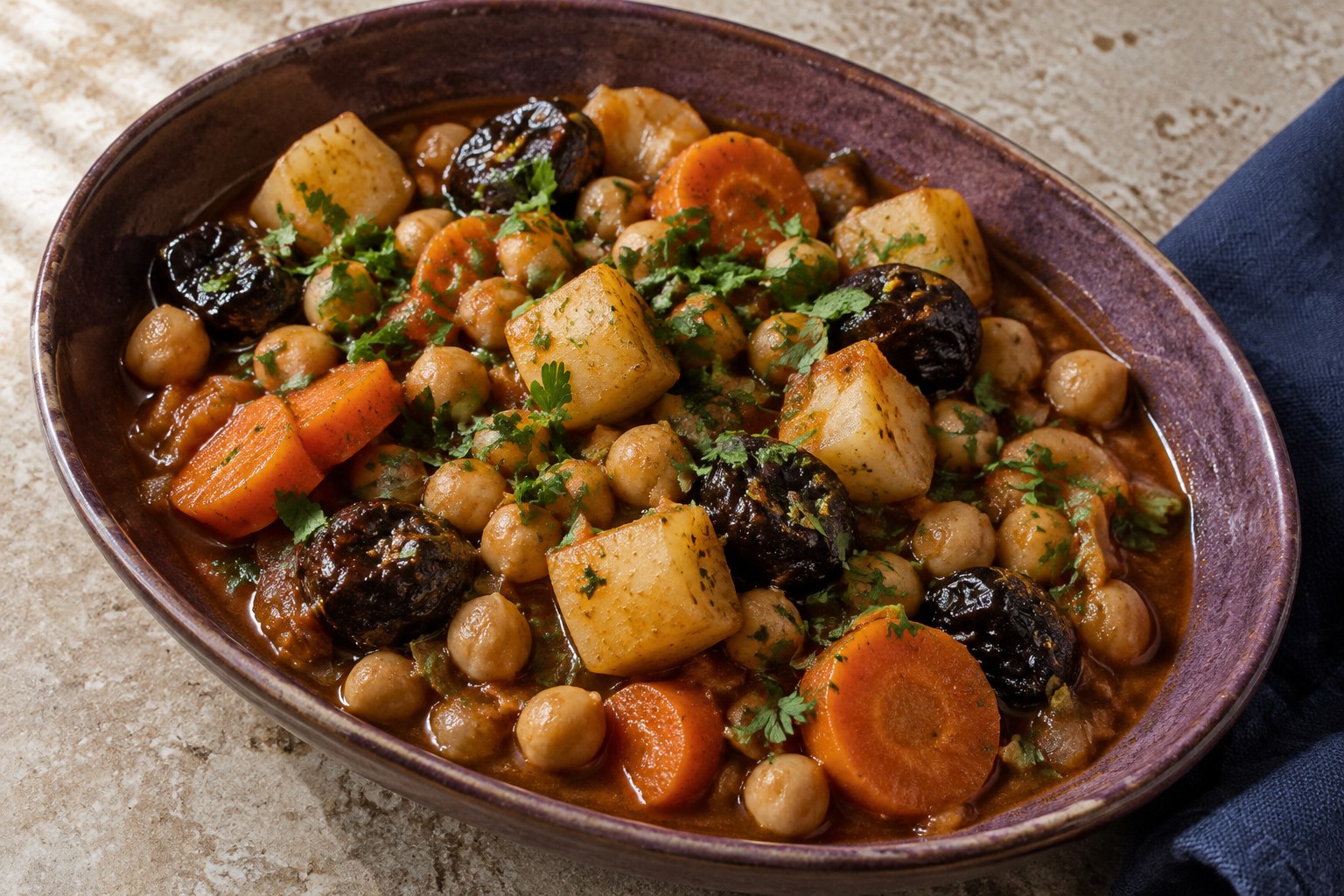
Coriander Chickpea Turnip and Prune Stew
Prunes
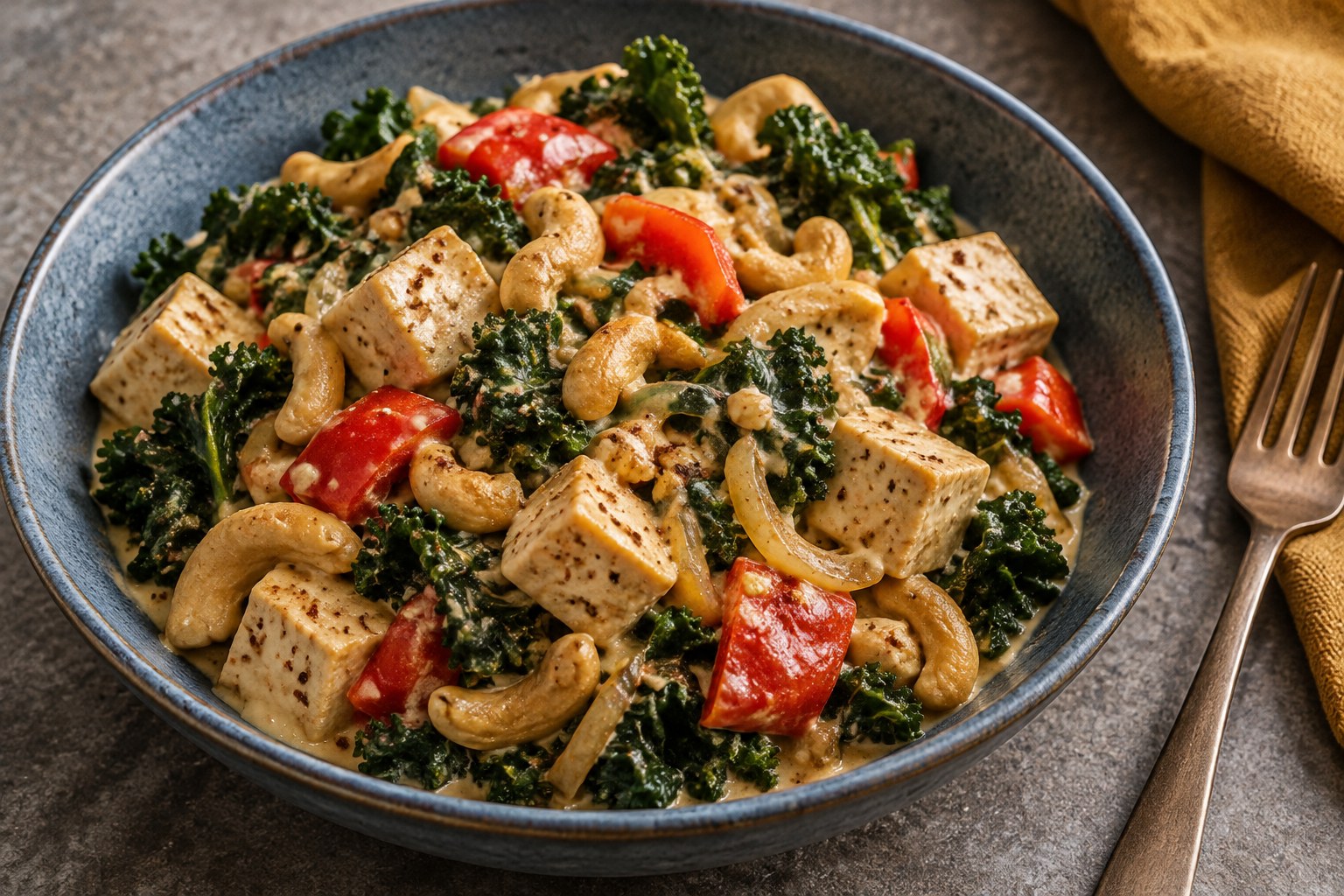
Cashew Tofu with Kale and Sweet Pepper
Kale
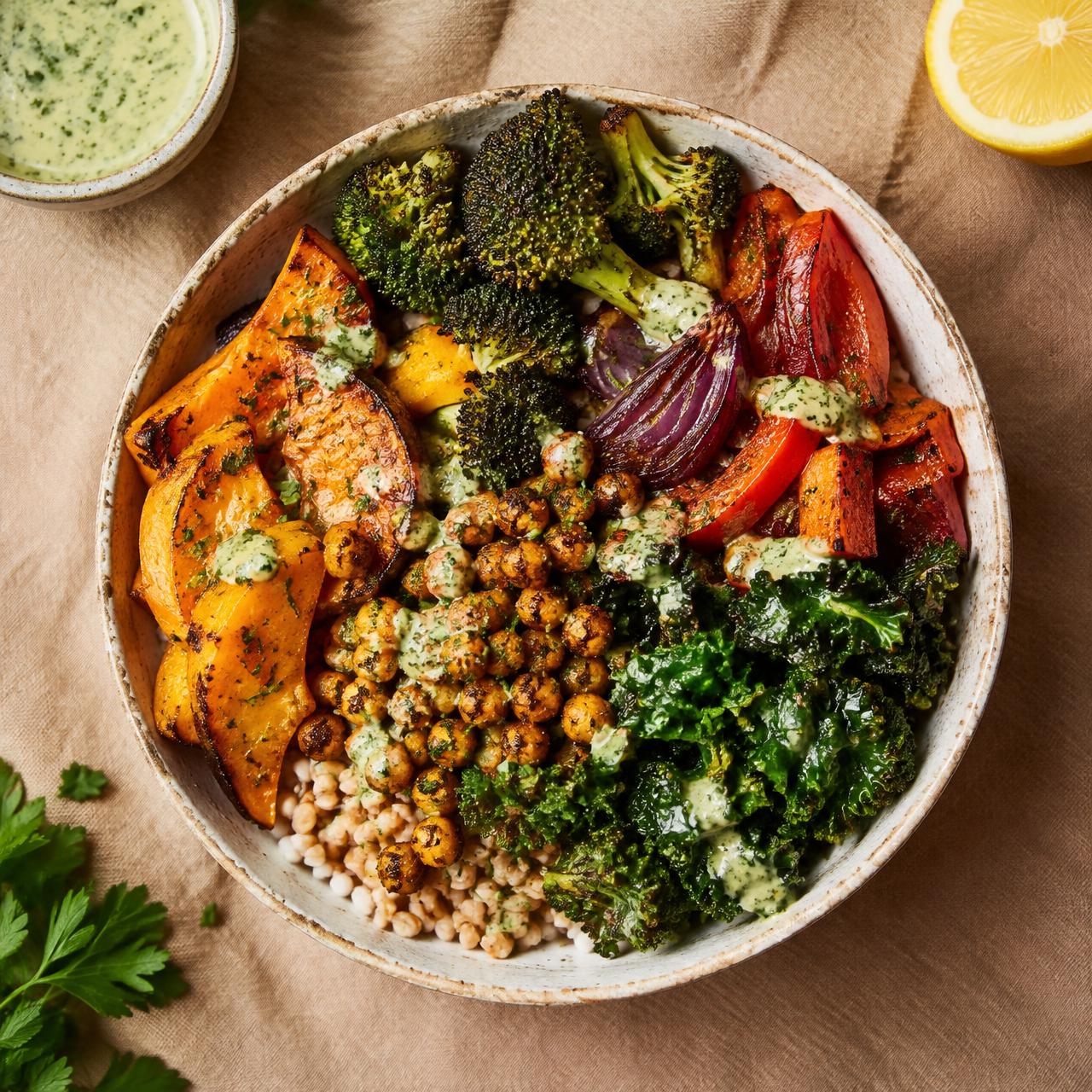
Roasted Harvest Bowl with Herb-Lemon Bean Dressing
Kale
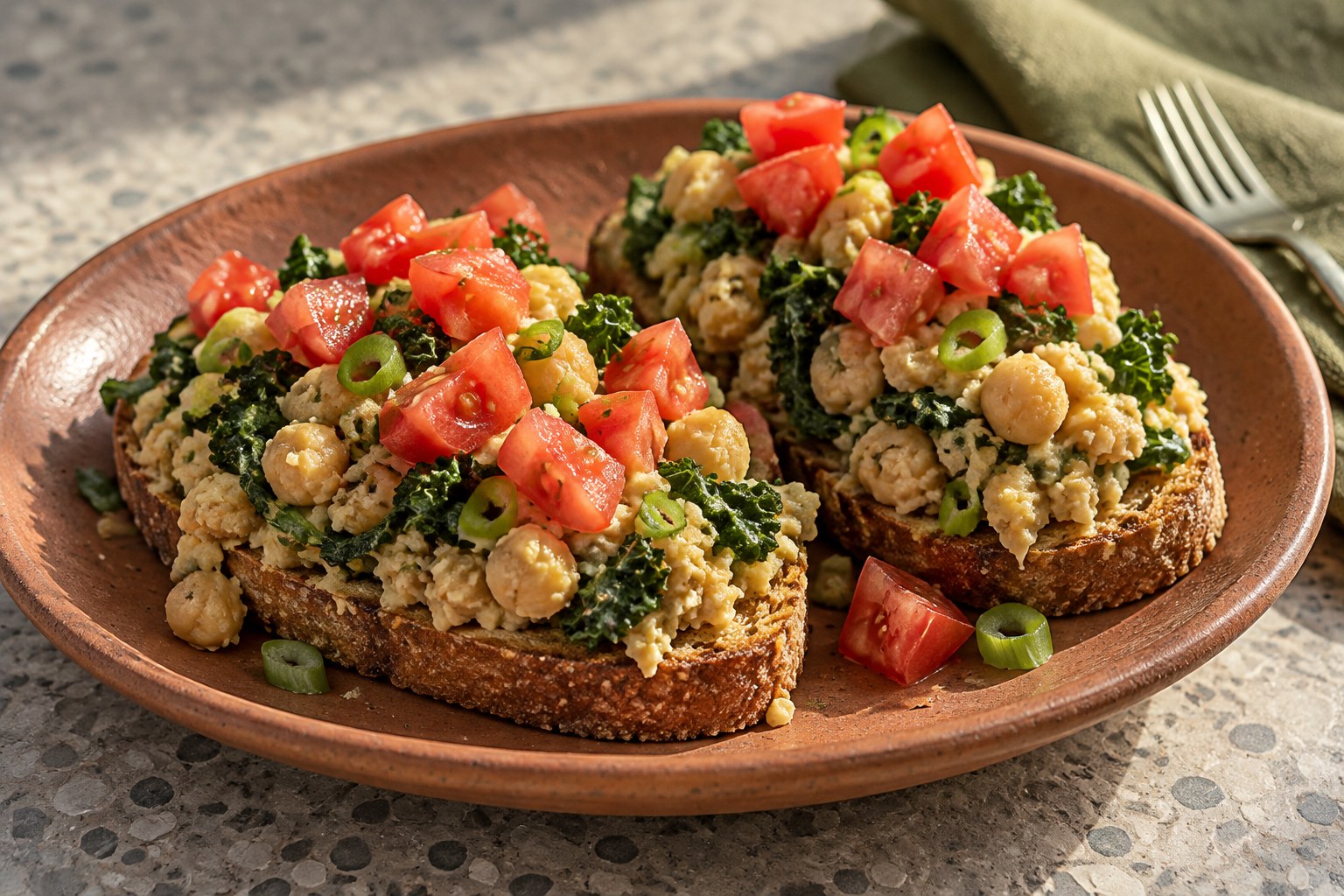
Lemony Chickpea Smash Toasts with Kale and Tomato
Kale
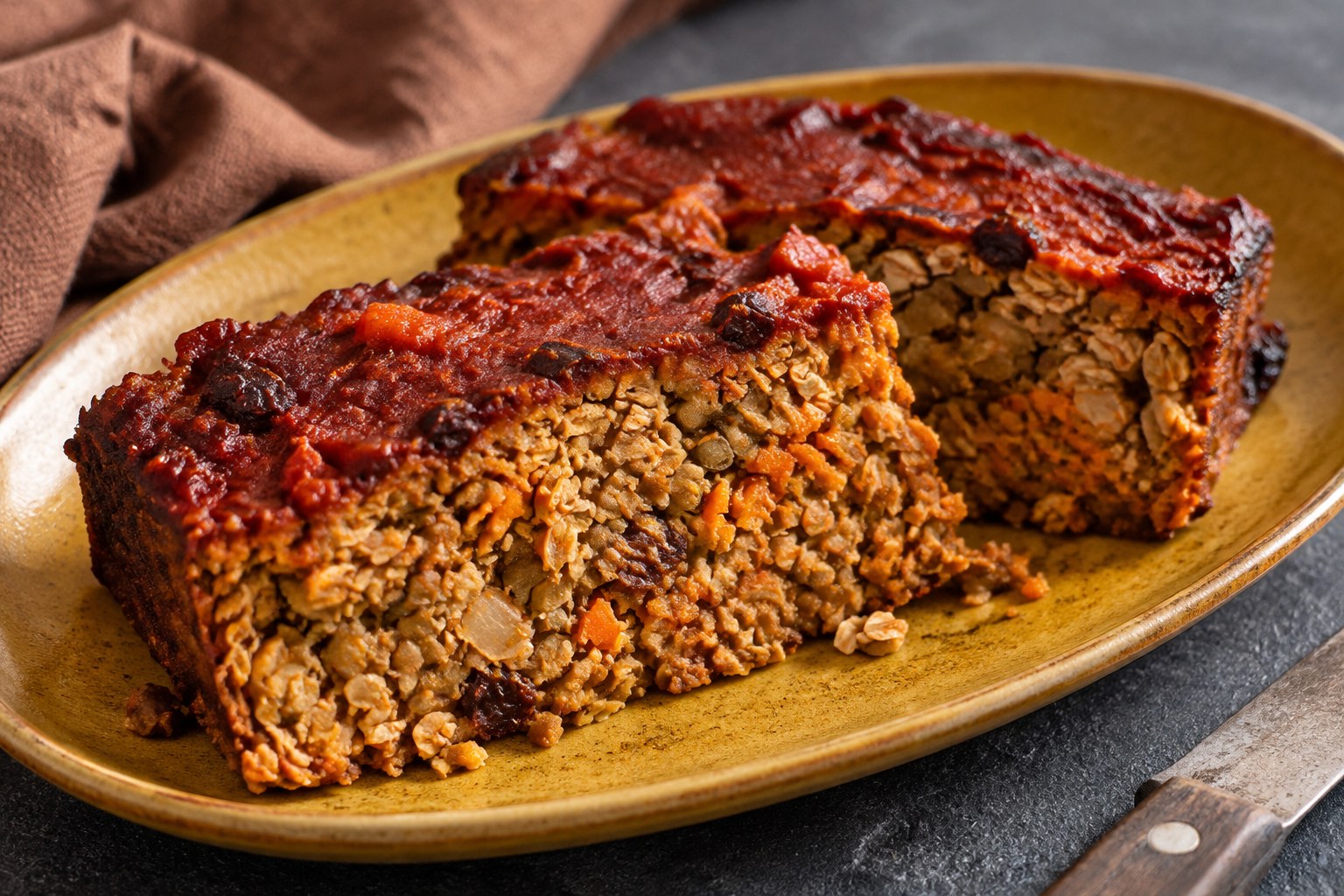
Prune and Lentil Lunch Loaf
Prunes
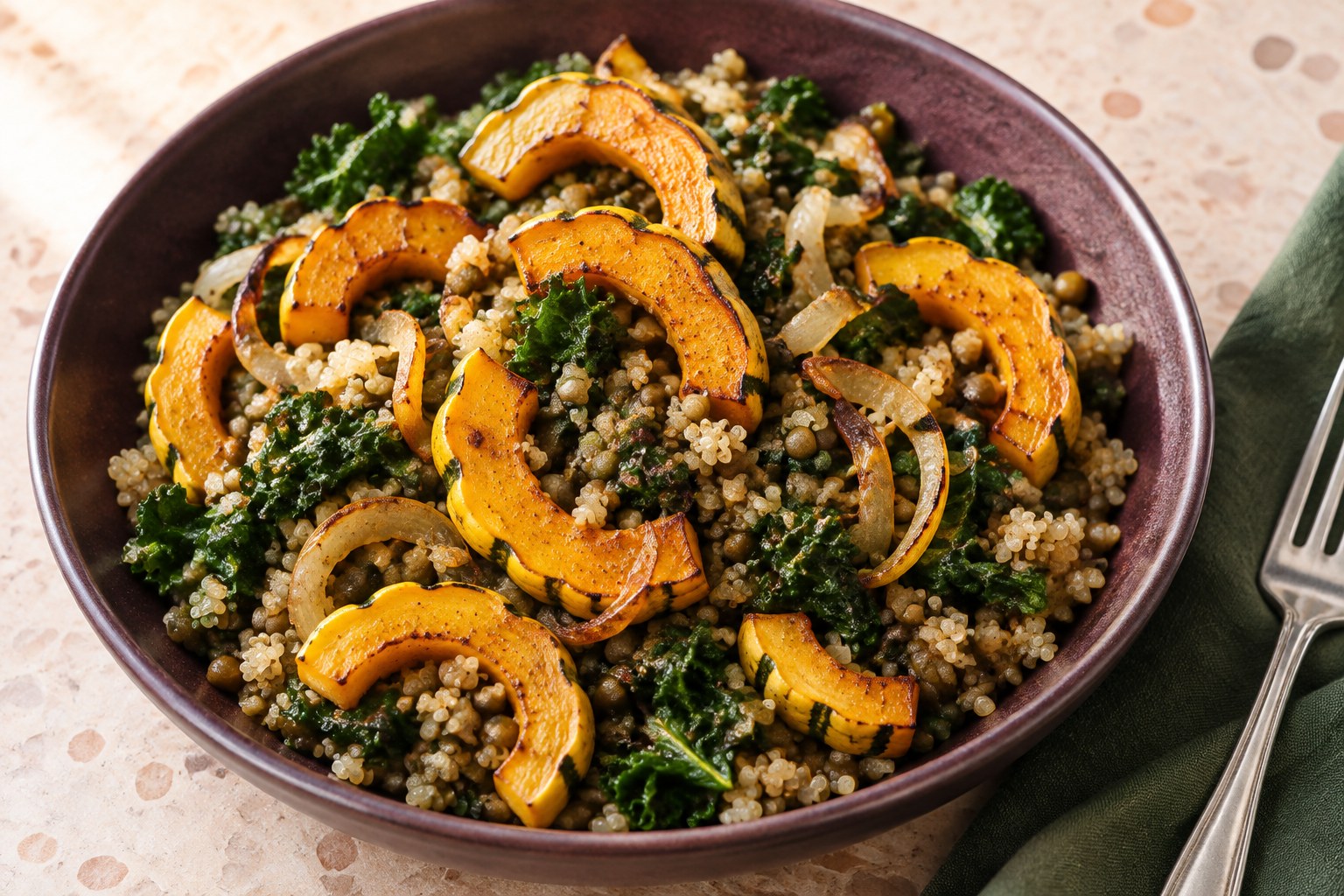
Roasted Delicata Half-Moons with Kale Lentil Quinoa
Kale