Flaxseed and blood pressure: why the pooled effect is modest
A controlled-trial meta-analysis offers a broader perspective than the already-covered peripheral-artery-disease trial.
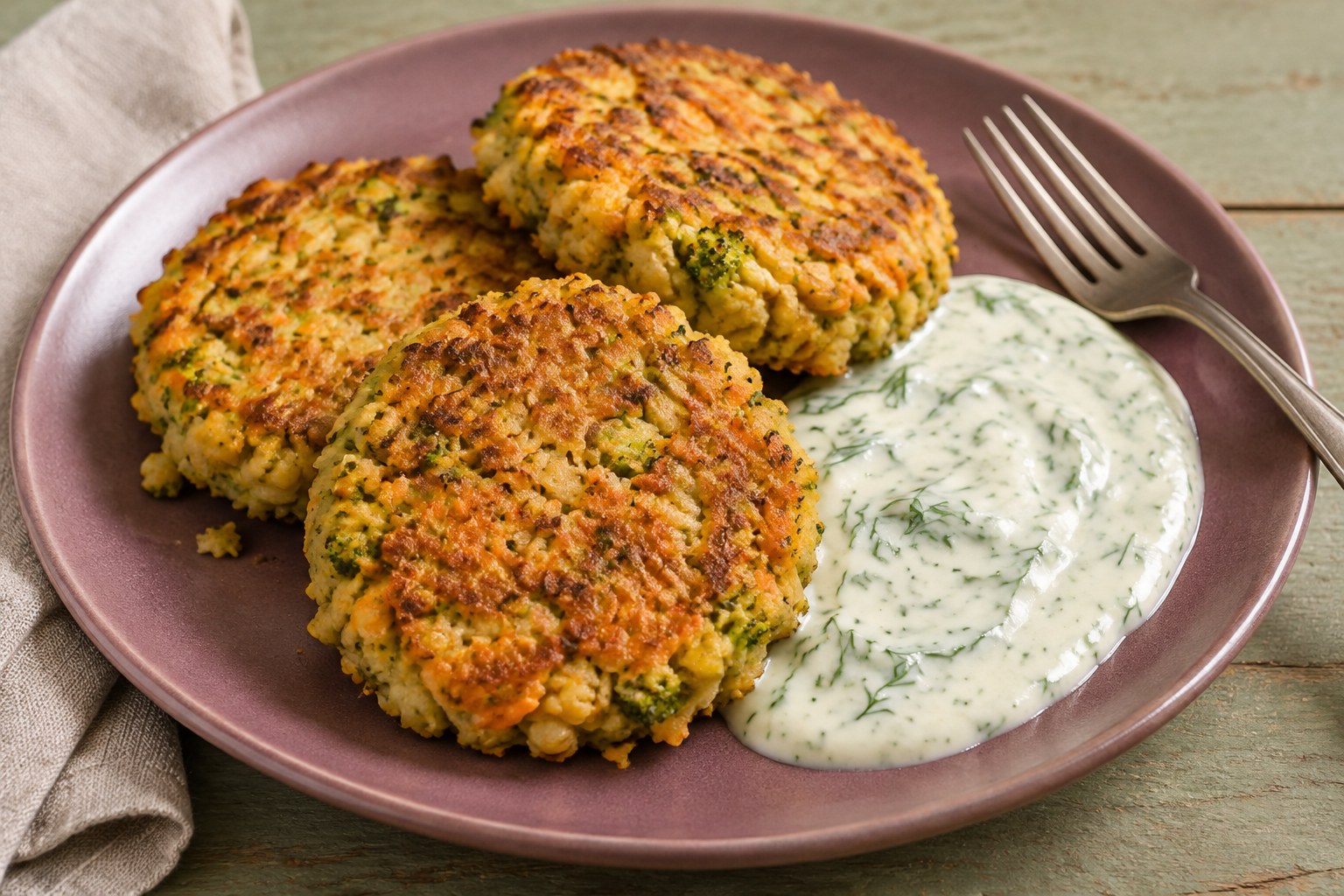
Illustrative food image, not a photograph of the study intervention.
Move beyond a single striking trial
A 2015 systematic review by Khalesi and colleagues pooled 11 studies containing 14 trials of flaxseed or flaxseed extracts. The review searched databases through July 2014 and included interventions lasting at least two weeks. Its question was broader than whether one flaxseed intervention worked in one clinical population: it examined the average blood-pressure difference across controlled studies. The products included whole flaxseed as well as extracts, so the overall estimate should not be presented as a whole-seed-only result. That distinction is particularly important when connecting the paper to an ordinary meal containing ground flaxseed.
Khalesi S, Irwin C, Schubert M. The Journal of nutrition, 2015. PMID 25740909 · DOI
The average difference was small
The random-effects analysis estimated a systolic blood-pressure reduction of 1.77 mm Hg, with a 95% confidence interval from 0.09 to 3.45 mm Hg lower. The corresponding diastolic reduction was 1.58 mm Hg, with a confidence interval from 0.52 to 2.64 mm Hg lower. These are modest pooled differences, not a promise that each participant experienced the same change. Both confidence intervals excluded zero, but their widths still matter. The review's own conclusion was cautious: flaxseed consumption may lower blood pressure slightly. A headline should retain that scale rather than substitute a larger result from a different population.
Khalesi S, Irwin C, Schubert M. The Journal of nutrition, 2015. PMID 25740909 · DOI
Whole seed and longer interventions
The review also examined subgroups. For whole-flaxseed interventions, the pooled diastolic difference was 1.93 mm Hg lower, with a 95% confidence interval from 0.21 to 3.65 mm Hg lower. For interventions lasting at least 12 weeks, it was 2.17 mm Hg lower, with a confidence interval from 0.89 to 3.44 mm Hg lower. These analyses concern diastolic pressure, not proof that every blood-pressure measure improves more with whole seeds. They are also subgroup summaries, not a direct randomized contest between all possible durations or preparations. They suggest questions about form and duration rather than establish a universal best regimen.
Khalesi S, Irwin C, Schubert M. The Journal of nutrition, 2015. PMID 25740909 · DOI
What a flax-containing meal can claim
The analysis explored whether baseline blood pressure influenced the results; categorizing participants at a systolic threshold of 130 mm Hg did not alter the reported overall findings. That does not turn the review into evidence that a particular recipe treats hypertension. The included studies used different flaxseed preparations, including extracts, and the abstract reports blood-pressure endpoints rather than strokes or other cardiovascular events. A whole-food dish can be paired with this research as an example of using flaxseed, while keeping the evidentiary claim at its actual level: a small average blood-pressure reduction across the controlled studies reviewed.
Khalesi S, Irwin C, Schubert M. The Journal of nutrition, 2015. PMID 25740909 · DOI