Beans with rice: an acute glucose test, not an HbA1c trial
Matched carbohydrate portions changed the comparison between beans with rice and rice alone.
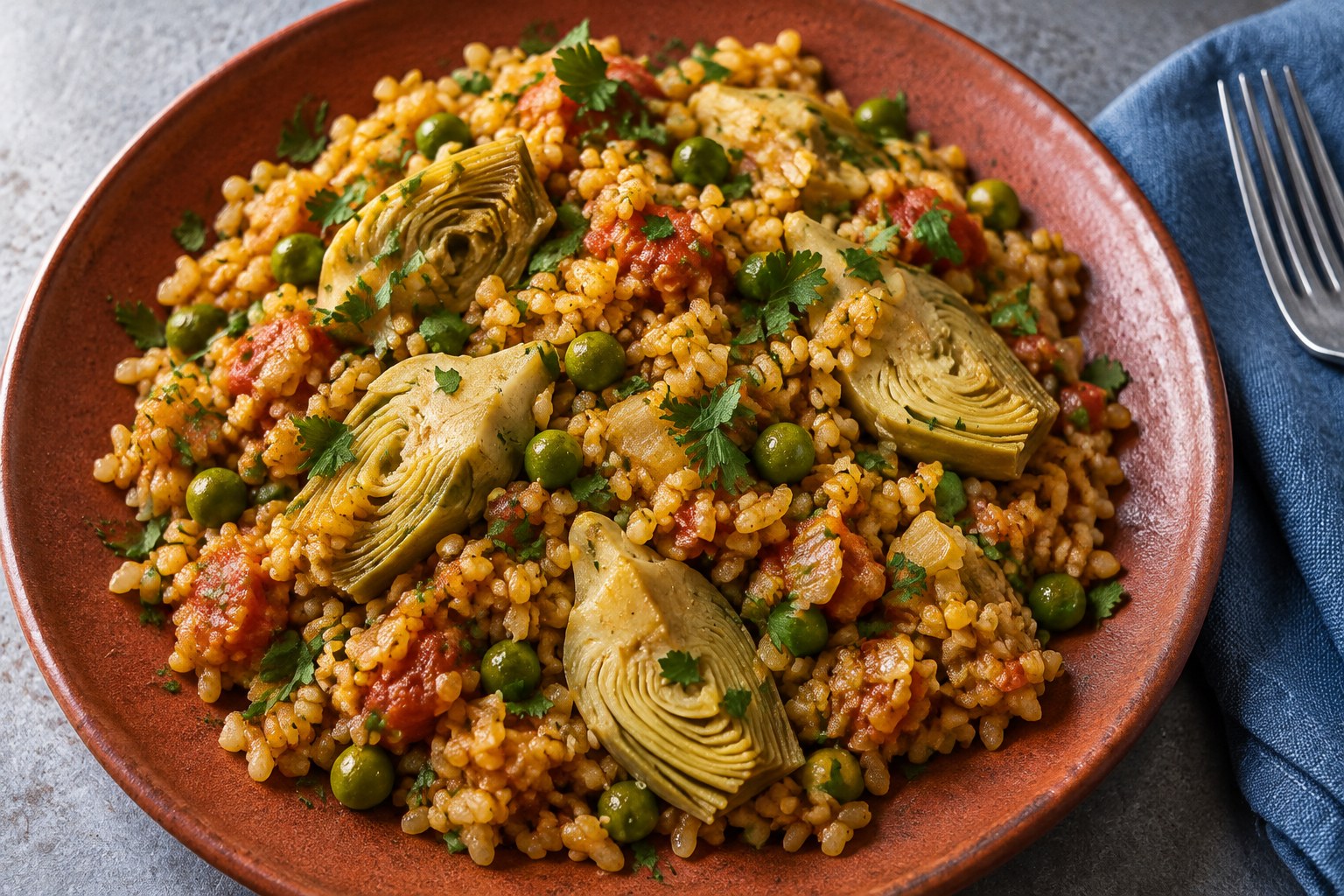
Illustrative food image, not a photograph of the study intervention.
A meal comparison with a useful control
Seventeen adults with type 2 diabetes took part in a randomized four-treatment crossover trial comparing white long-grain rice alone with three bean-and-rice meals. The beans were pinto, black or dark red kidney beans. Each meal supplied 50 grams of available carbohydrate, so the comparison was not simply between a lower-carbohydrate meal and a higher-carbohydrate meal. Participants ate the test breakfasts after a 12-hour fast. This is a specific test of meal composition under controlled circumstances, not a study of whether adding an unrestricted portion of beans to an unchanged meal improves diabetes control.
Thompson SV, Winham DM, Hutchins AM. Nutrition journal, 2012. PMID 22494488 · DOI
What the glucose measurements showed
Researchers collected capillary glucose measurements before breakfast and every 30 minutes afterward, continuing for 180 minutes. At 90, 120 and 150 minutes, net glucose values were significantly lower after each bean-and-rice treatment than after rice alone. That finding supports a lower glucose response at those particular times. It does not establish that every measurement throughout the morning was lower, or that all three bean types produced identical responses. The timing matters: the abstract reports specific post-meal differences rather than an all-day glucose profile or a measure of long-term glycemic control.
Thompson SV, Winham DM, Hutchins AM. Nutrition journal, 2012. PMID 22494488 · DOI
The integrated result differed by bean
Incremental area under the glucose curve provides a different comparison from checking individual time points. In this trial, that measure was significantly lower for the pinto-bean-and-rice and black-bean-and-rice meals than for rice alone. It was not significantly lower for the kidney-bean meal. The abstract therefore supports a more qualified conclusion than saying that every bean preparation reduced the entire measured glucose excursion. It also supplies no numerical area-under-the-curve effect sizes. A percentage reduction cannot be reconstructed honestly from the reported significance statements alone, and none is needed to describe this result accurately.
Thompson SV, Winham DM, Hutchins AM. Nutrition journal, 2012. PMID 22494488 · DOI
Keep the outcome and population in view
Participants were 35 to 70 years old; 14 managed their diabetes with metformin and three with diet and exercise. Those details help define the population behind the result. With only 17 participants and a post-breakfast observation window, the study does not establish an HbA1c benefit, fewer complications or a medication-replacement strategy. Its practical contribution is narrower: traditional bean-and-rice combinations deserve consideration as meal patterns, rather than treating rice in isolation. The paired recipe is a culinary companion, not the tested breakfast, and its glucose effects cannot be assigned the trial's findings.
Thompson SV, Winham DM, Hutchins AM. Nutrition journal, 2012. PMID 22494488 · DOI