FIELD GUIDES / NANO FUNDAMENTALS
Spread a Small Amount of Salt Through the Whole Dish
Practical oil-free cooking notes
Use measured additions and deliberate mixing instead of scattered, uneven seasoning.
FIELD NOTE 01
Measure before cooking begins
If you plan to use salt, measure the intended amount into a small dish before you start. This makes separate additions visible and prevents several cooks from independently seasoning the same pot. Keep some of that measured amount back until the finished dish can be tasted. Label the small dish if the counter is busy so nobody mistakes it for sugar or a garnish. For a meal with several components, write down which components already contain salt before deciding where the remaining measured amount would be most useful.
FIELD NOTE 02
Dissolve before folding
A pinch dropped into one corner of a thick bean filling can remain concentrated there. Dissolve a measured portion in a spoonful of the recipe’s water, lemon juice or sauce instead, then fold that liquid through the filling. Scrape the bottom and sides of the mixing bowl as you turn it. This method is particularly helpful when the mixture is too delicate for vigorous stirring after assembly. Do not add extra liquid without counting it toward the filling; a wet seasoning solution still contributes moisture to the final bake.
FIELD NOTE 03
Taste a representative spoonful
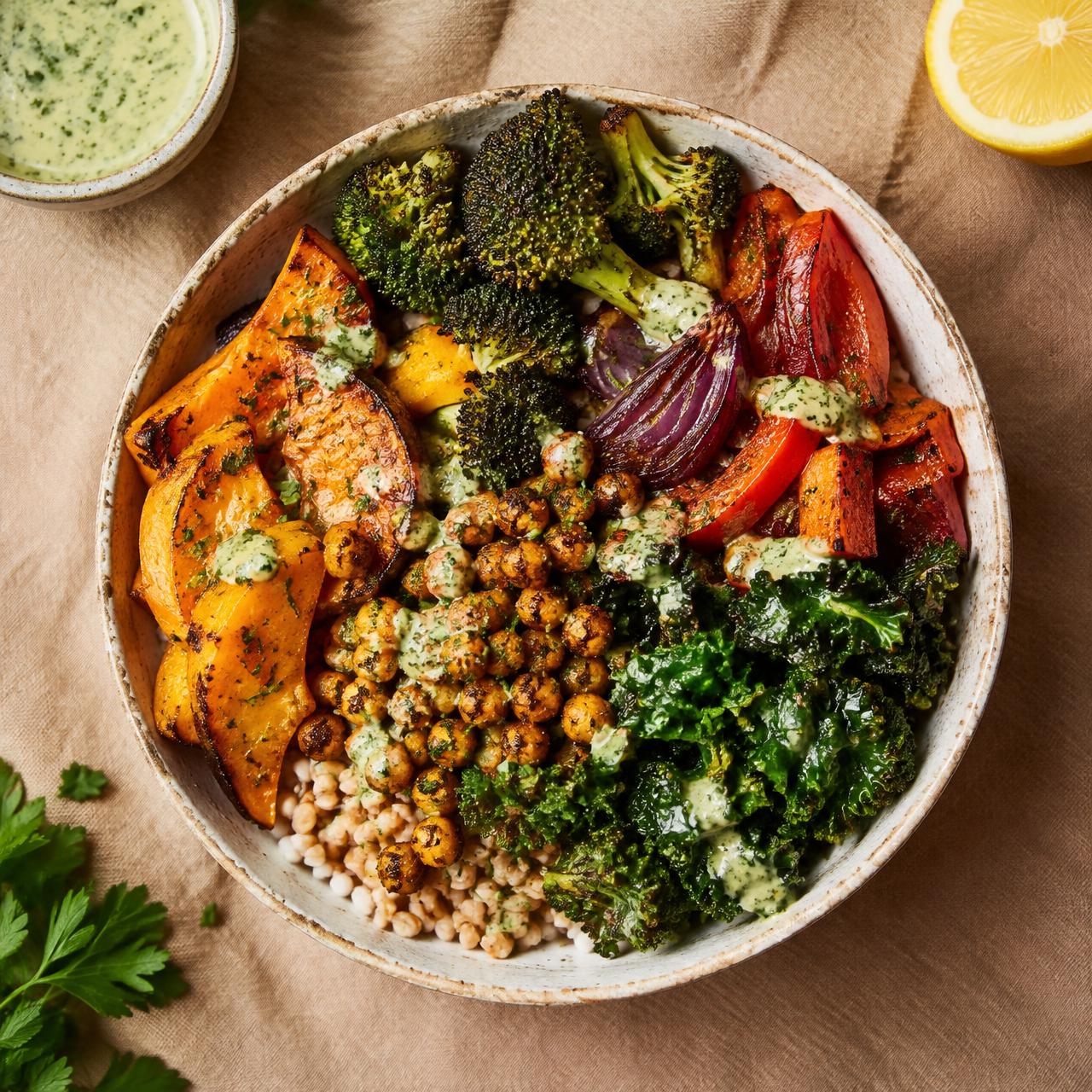
Taste the combined components rather than repeatedly tasting a salty sauce on its own. Put a little grain, vegetable, bean and sauce on the same spoon, approximating the eventual forkful. Let hot food cool enough to taste comfortably. If one component dominates, change the proportion on the plate before adjusting the entire pot. Keep a clean tasting spoon available and use a fresh one for each check. Note the result after the dish rests briefly, especially when dry spices or crumb toppings are still absorbing moisture.
FIELD NOTE 04
Prevent a second round at the table
Tell whoever is finishing the meal which additions are already in the dish. Place strongly seasoned toppings in small separate bowls with small spoons rather than scattering them across every portion automatically. A guest can then choose where a little topping goes. If the main turns out more seasoned than intended, serve it with an unseasoned grain or vegetable component and adjust the portion balance. Adding water alone may create a thin casserole without solving the meal’s flavor balance. Record the measured additions for the next batch.