FIELD GUIDES / NANO FUNDAMENTALS
Count Servings with Your Own Ladle
Practical oil-free cooking notes
Use kitchen measurements for sharing a dish, not for prescribing what someone should eat.
FIELD NOTE 01
Separate counting from needs
Use serving count to organize a meal, not to define a correct amount for every diner. Decide whether the dish is the only item on the table or one part of a larger spread. These are original, untested allocation proposals, not clinical portions, appetite rules or evidence of nutritional adequacy. The archived vegetable soup supplied the topic of a shared pot; its stated serving count is not being transferred to another batch. Keep additional food available for anyone who wants more.
FIELD NOTE 02
Measure your utensil once
For a simple reference, fill your serving ladle with water over a measuring jug and note its approximate volume. Return to the food with a clean utensil. A nominal bowl size is less useful than knowing how much you actually scoop into it. Use the same ladle for counting this meal, and treat the result as approximate, especially when a chunky soup fills the ladle unevenly. You are building a kitchen shorthand, not weighing out a mandated intake or standardizing everyone’s appetite.
FIELD NOTE 03
Allocate a first round
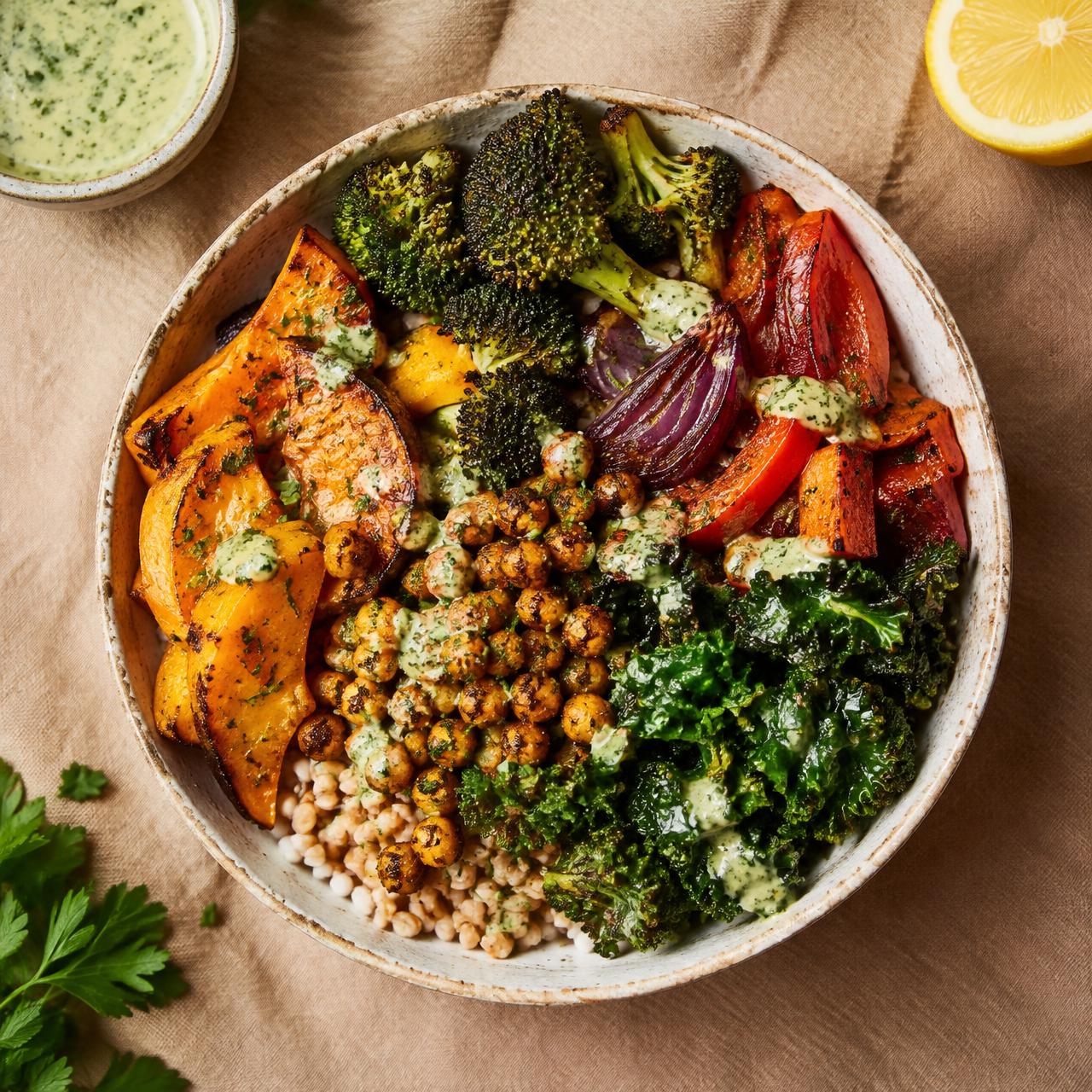
Stir a vegetable-and-cooked-bean soup so the solids are distributed, then count approximate ladlefuls as you serve. For example, twelve comparable ladlefuls divided among four bowls gives three per bowl as an initial equal allocation. That arithmetic says nothing about whether three is enough for any person. With a mixed grain dish, use the same scoop in each bowl and include comparable amounts of the different components. Leave the rest in a shared serving vessel rather than deciding that unequal appetites are a problem.
FIELD NOTE 04
Keep the record practical
Offer another scoop or additional plain potatoes, whole grains or vegetables according to what people want. If the first allocation is consistently too small or too large for your household, change the amount prepared next time rather than turning the scoop count into a rule. Note the pot yield, utensil and other dishes served. A note such as twelve ladles alongside baked potatoes is more reusable than four ideal portions. No nutrient target, weight-management result or individualized dietary recommendation follows from this counting method.