FIELD GUIDES / NANO FUNDAMENTALS
Give Grapes a Hot Route and a Cold Route
Practical oil-free cooking notes
Prepare grapes for concentrated roasted spoonfuls or separately frozen pieces without expecting the two methods to produce the same texture.
FIELD NOTE 01
Start with sound, dry fruit
Choose firm grapes attached to fresh-looking stems and discard split, leaking or moldy fruit. Remove the grapes from their stems, rinse under running water, and dry thoroughly on a clean towel. Seedless varieties are convenient, but check a grape rather than relying only on the label. Divide the batch before starting: the roasting portion can include larger grapes, while evenly sized grapes freeze more uniformly. Keep the two portions in separate bowls so moisture from washing does not accidentally follow a partly frozen batch back into its container.
FIELD NOTE 02
Roast with room for juice
Heat the oven to 200°C and line a rimmed tray with parchment rated for that temperature. Spread dry grapes in one layer with small gaps; do not add water or a coating. Roast for roughly twenty to thirty minutes, turning the tray once if your oven browns unevenly. Look for wrinkled skins, a few splits and bubbling juice rather than waiting for every grape to collapse. A rimmed tray matters because the released juice can run. Remove before dark sticky patches at the edges turn black and bitter.
FIELD NOTE 03
Use the roasted juices
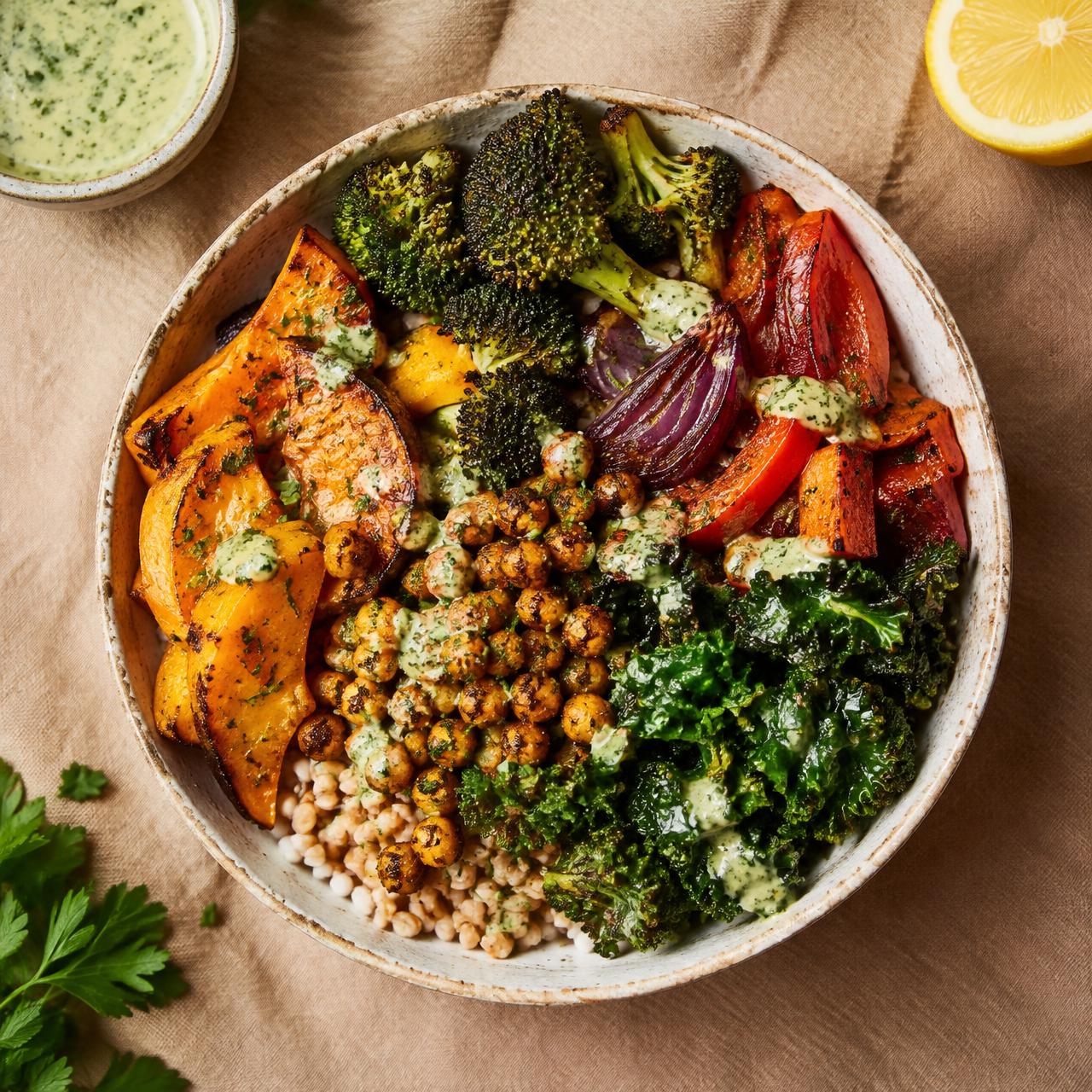
Let roasted grapes stand on the tray for five minutes so their juices are less fiercely hot. Lift them with a broad spoon, scraping up the soft syrupy patches while leaving scorched bits behind. Spoon over cooked barley, fold through roasted fennel, or serve beside a lentil dish. Add a small splash of water to loosen sticky cooled juice if needed. Roasted grapes are soft, not crisp, and their sweetness can dominate a dish; start with a few spoonfuls per bowl and balance with lemon juice or chopped parsley at serving.
FIELD NOTE 04
Freeze for blending or thawing
Arrange the remaining dry grapes on a lined tray without touching and freeze until solid, then pack into a sealed container. Use them straight from the freezer in a blender with chopped pear and water, or thaw in the refrigerator for a soft fruit topping. Frozen grapes are very hard, so thaw before chewing rather than treating them as easy snacks. Whole grapes are a choking hazard for young children; serve appropriately softened fruit cut lengthwise into quarters instead. Label the container clearly so frozen pieces are not mistaken for fresh ones.