Researched pick
How Not to Die, by Michael Greger, MD, with Gene Stone
Greger and Stone organize a substantial nutrition argument into disease-focused chapters and a practical food-planning section.
Affiliate link: as an Amazon Associate we earn from qualifying purchases, at no extra cost to you. Price and details are on Amazon. Photo is our own illustration.
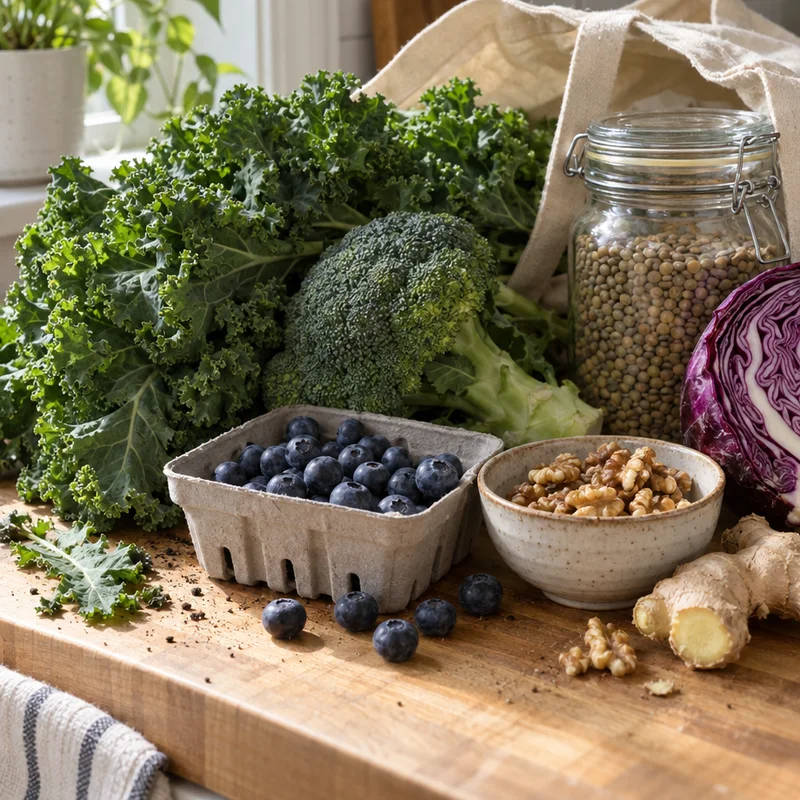
Worth liking
- Two-part explanation and practical-guidance structure
- Disease-by-disease first section
- Daily Dozen food checklist
Worth knowing
- Substantial reading commitment at 576 pages.
- Medical conclusions need separate appraisal, not acceptance from the title.
Michael Greger, writing with Gene Stone, divides How Not to Die into two distinct jobs: explaining his interpretation of diet research and discussing everyday food choices. The first part addresses fifteen causes of premature death in the United States. The second turns toward practical questions about foods, shopping, and meal planning rather than continuing only disease-by-disease discussion.
The Daily Dozen checklist gives the practical material an organizing device, but this is the main nonfiction book, not a dedicated cookbook. Flatiron Books lists the linked 2015 edition at 576 pages. Its medical arguments remain arguments to assess against the underlying studies; neither the title nor the amount of supporting discussion establishes that its proposed outcomes are proven.
Why it's worth reading
Read it for a structured account of Greger's approach to plant-focused eating and the practical checklist that accompanies it. The two-part format lets you distinguish the research narrative from suggestions about what to buy and eat. That distinction matters: the site separately reviews the evidence, so this recommendation describes the book's contents rather than endorsing its medical claims.
Who it's for
Choose it if you want a long-form nutrition discussion paired with an everyday food-planning framework.
Rather not buy one? Check any claim that matters to you against the studies it cites; our Study Library links straight to PubMed.
Key specs
- Length
- 576 pages
- Publisher
- Flatiron Books
- Publication
- December 8, 2015
- ISBN
- 9781250066114
As published by the maker. Confirm the exact model and what's included on Amazon before buying.
Affiliate link: as an Amazon Associate we earn from qualifying purchases, at no extra cost to you. Price and details are on Amazon. Photo is our own illustration.
How we picked it
A researched selection based on the maker's published information and the Amazon listing, checked November 23, 2026. Not a hands-on test: no star ratings, measured results or live prices are implied.
More books
Reading the NANO bookshelf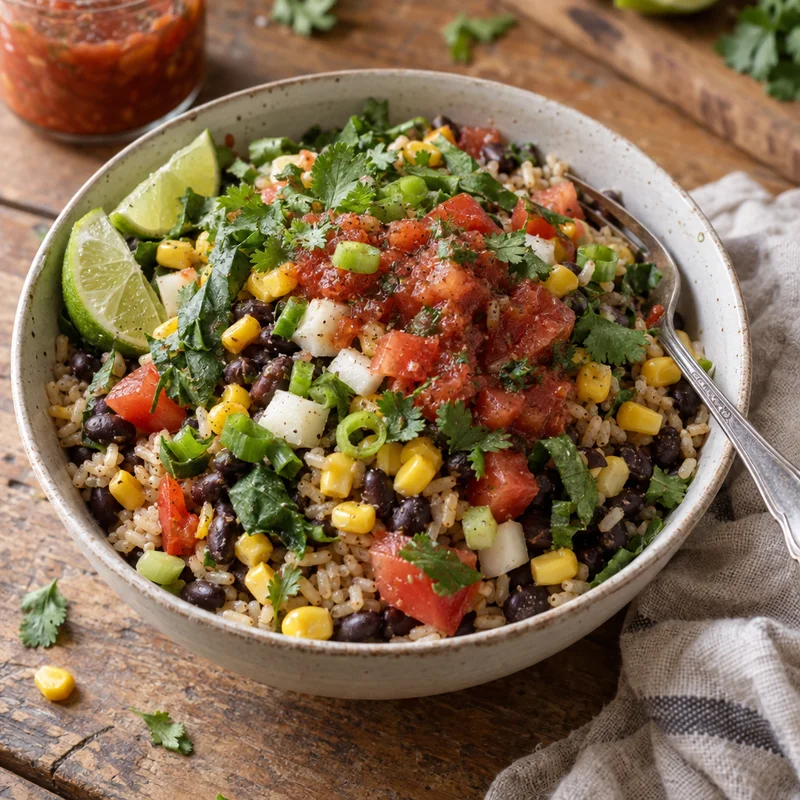
Prevent and Reverse Heart Disease, by Caldwell B. Esselstyn Jr., MD
Researched pick
Dr. Esselstyn, a surgeon formerly at the Cleveland Clinic, sets out his plant-based, oil-free eating plan and includes more than 150 recipes. His published patient series is observational, so read it as one approach, not proof of a cure.
Read the full write-upAffiliate link: as an Amazon Associate we earn from qualifying purchases, at no extra cost to you. Price and details are on Amazon. Photo is our own illustration.

The China Study: Revised and Expanded Edition, by T. Colin Campbell and Thomas M. Campbell
Researched pick
A nutrition researcher and his physician son describe the case for whole-food, plant-based eating, drawing on the China Project and laboratory work.
Read the full write-upAffiliate link: as an Amazon Associate we earn from qualifying purchases, at no extra cost to you. Price and details are on Amazon. Photo is our own illustration.
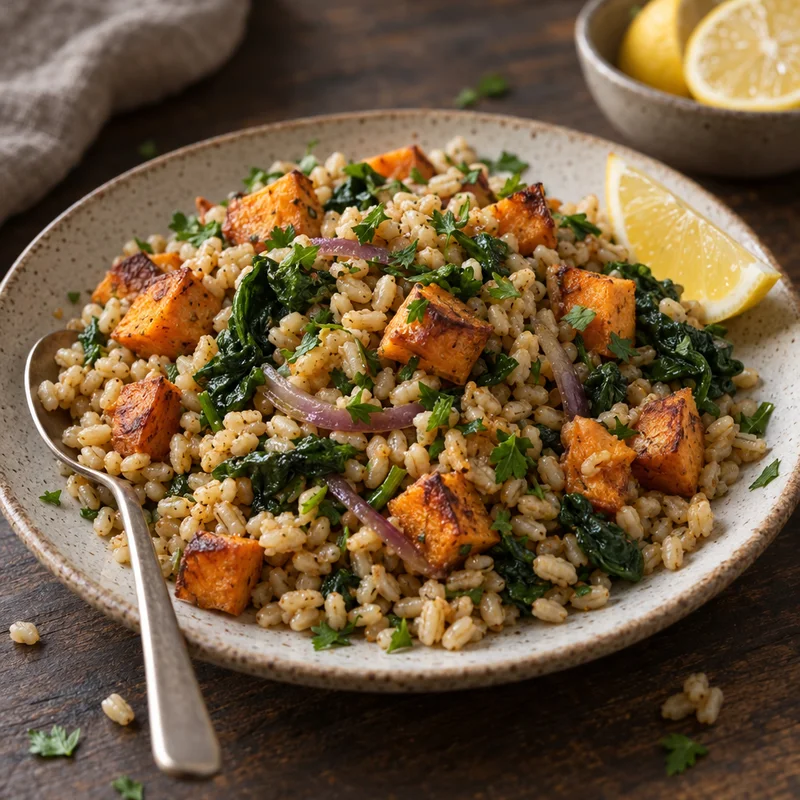
Forks Over Knives: The Cookbook, by Del Sroufe and collaborators
Researched pick
More than 300 whole-food, plant-based recipes from the chef behind meals in the Forks Over Knives documentary, organized by meal and season.
Read the full write-upAffiliate link: as an Amazon Associate we earn from qualifying purchases, at no extra cost to you. Price and details are on Amazon. Photo is our own illustration.