HEALTH DESKS / Healthy Aging
Longer, healthier lives: what the big cohorts can and can’t tell us.
Healthy Aging & Longevity. Across cohorts of nearly two million people, about five daily servings of fruit and vegetables was associated with the lowest mortality (Wang et al., 2021).
The biological mechanism, unpacked.
Pooling 26 cohorts with nearly 1.9 million people, about five daily servings of fruit and vegetables—two of fruit and three of vegetables—was associated with the lowest mortality. Among 785 people aged 70 and over in five countries, each extra 20 g of legumes a day was associated with 7–8% lower risk of death, and in two large US cohorts, people eating nuts seven or more times a week had a 20% lower death rate than people who ate none.
The limit of the evidence. These are all observational studies: people who eat more produce, legumes and nuts may differ in other ways, and no trial has shown that a diet extends lifespan. The nut study was partly funded by a tree-nut industry foundation.
Wang DD, Li Y, Bhupathiraju SN, Rosner BA, et al.. Circulation, 2021. PMID 33641343 · DOI
Inside the desk
Protein swaps and survival: what a cohort can estimate ↗
Long follow-up makes mortality observable, but modeled substitutions are not randomized meal assignments.
Nut frequency and survival: a strong association without random assignment ↗
Two health-professional cohorts linked more frequent nut intake with lower mortality.
Whole grains and mortality: read the dry-weight denominator ↗
A cohort meta-analysis linked whole-grain intake with lower mortality while defining its serving increment as dry whole-grain ingredients.
Fruit, vegetables, and survival: what the dose-response curve means ↗
A large prospective-study synthesis linked higher produce intake with lower mortality without proving causation.
Adventist Mortality: The Combined Finding and the Vegan Uncertainty ↗
Orlich’s 2013 cohort linked vegetarian patterns with lower mortality, while the vegan-specific estimate remained less certain.
Flavonols and frailty: a subclass signal, not a total-flavonoid effect ↗
A Framingham cohort linked flavonol and quercetin intake with lower odds of later frailty, while total flavonoids were not associated.
Key studies
2016
Association of Animal and Plant Protein Intake With All-Cause and Cause-Specific Mortality.
High animal protein intake was positively associated with cardiovascular mortality and high plant protein intake was inversely associated with all-cause and cardiovascular mortality, especially among individuals with at least 1 lifestyle risk factor. Substitution of plant protein for animal protein, especially that from processed red meat, was associated with lower mortality, suggesting the importance of protein source.
Mingyang Song, Teresa T Fung, Frank B Hu, Walter C Willett et al.. JAMA internal medicine, 2016. PMID 27479196 · DOI
2017
Fruit and vegetable intake and the risk of cardiovascular disease, total cancer and all-cause mortality-a systematic review and dose-response meta-analysis of prospective studies.
A prospective-study meta-analysis associated greater fruit and vegetable intake with lower coronary heart disease and stroke risk.
Aune D, Giovannucci E, Boffetta P, Fadnes LT et al.. International journal of epidemiology, 2017. PMID 28338764 · DOI
2021
Fruit and Vegetable Intake and Mortality: Results From 2 Prospective Cohort Studies of US Men and Women and a Meta-Analysis of 26 Cohort Studies.
Pooling 26 cohorts with nearly 1.9 million people, about five daily servings of fruit and vegetables—two of fruit and three of vegetables—was associated with the lowest mortality, with no further reduction above that level.
Wang DD, Li Y, Bhupathiraju SN, Rosner BA, et al.. Circulation, 2021. PMID 33641343 · DOI
2023
Higher intake of dietary flavonols, specifically dietary quercetin, is associated with lower odds of frailty onset over 12 years of follow-up among adults in the Framingham Heart Study.
Higher estimated flavonol and quercetin intakes were associated with lower odds of incident frailty in a prospective cohort, unlike total flavonoid intake.
Oei S, Millar CL, Nguyen Lily TN, Mukamal KJ et al.. The American journal of clinical nutrition, 2023. PMID 37061164 · DOI
2023
Edible mushroom intake and risk of all-cause and cause-specific mortality: results from the Korean Genome and Epidemiology Study (KoGES) Cohort.
Among 152,828 Korean adults followed for 11.6 years, eating mushrooms one to three times a week was associated with lower all-cause mortality than eating none.
Jung H, Shin J, Lim K, Shin S. Food & function, 2023. PMID 37682230 · DOI
Registry entries are individual publications, not endorsements of a researcher’s entire body of work. Campbell and Greger are not listed as trial authors here without a verified, relevant publication.
Three days, on the plate.
Nine different recipes, each with at least one food studied for healthy aging. An illustrative pattern, not a treatment or complete nutrition prescription; portions, allergies and medication need individual advice.
DAY 01
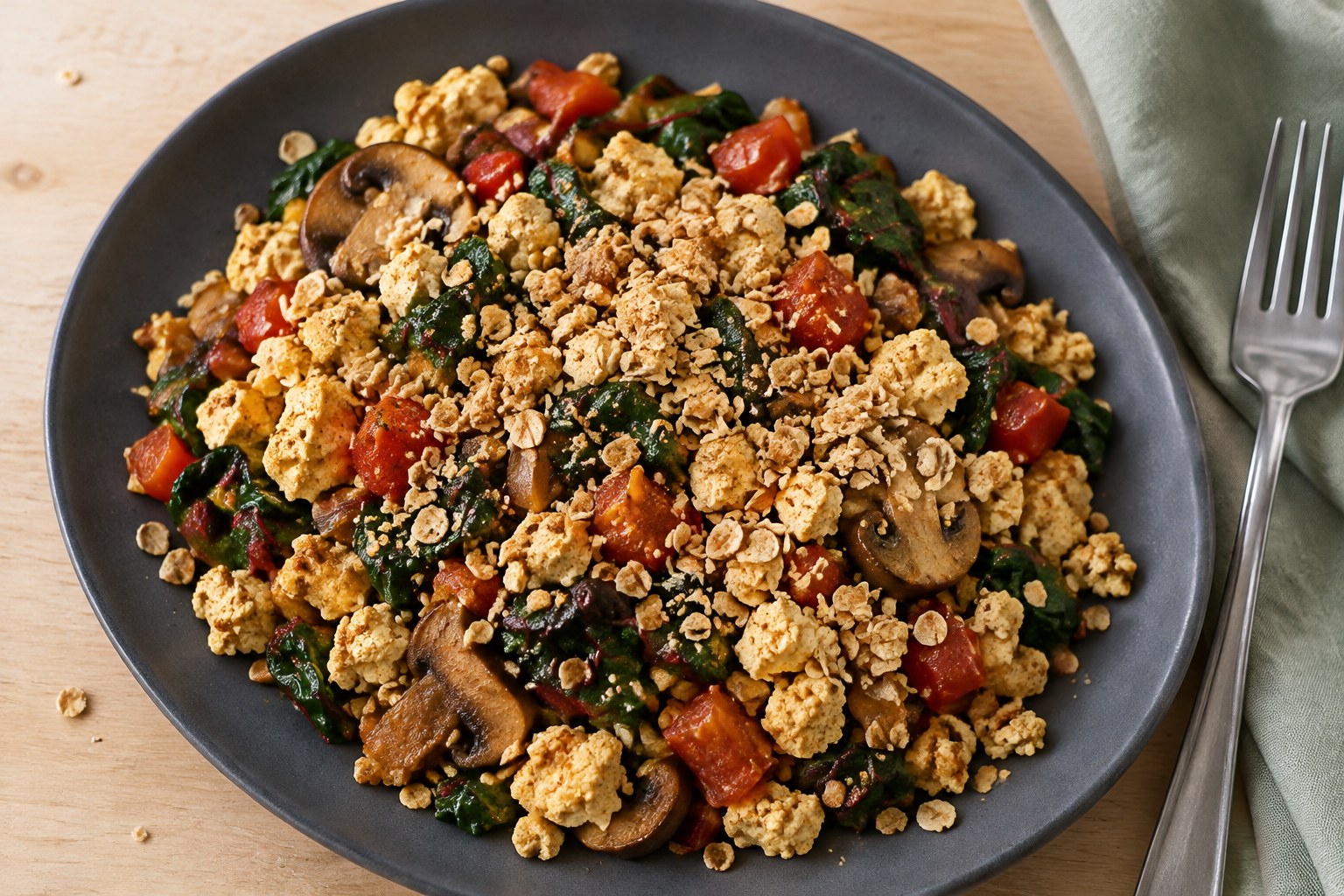
breakfast
Chard and Mushroom Breakfast Scramble with Oat Crumbs
Mushrooms
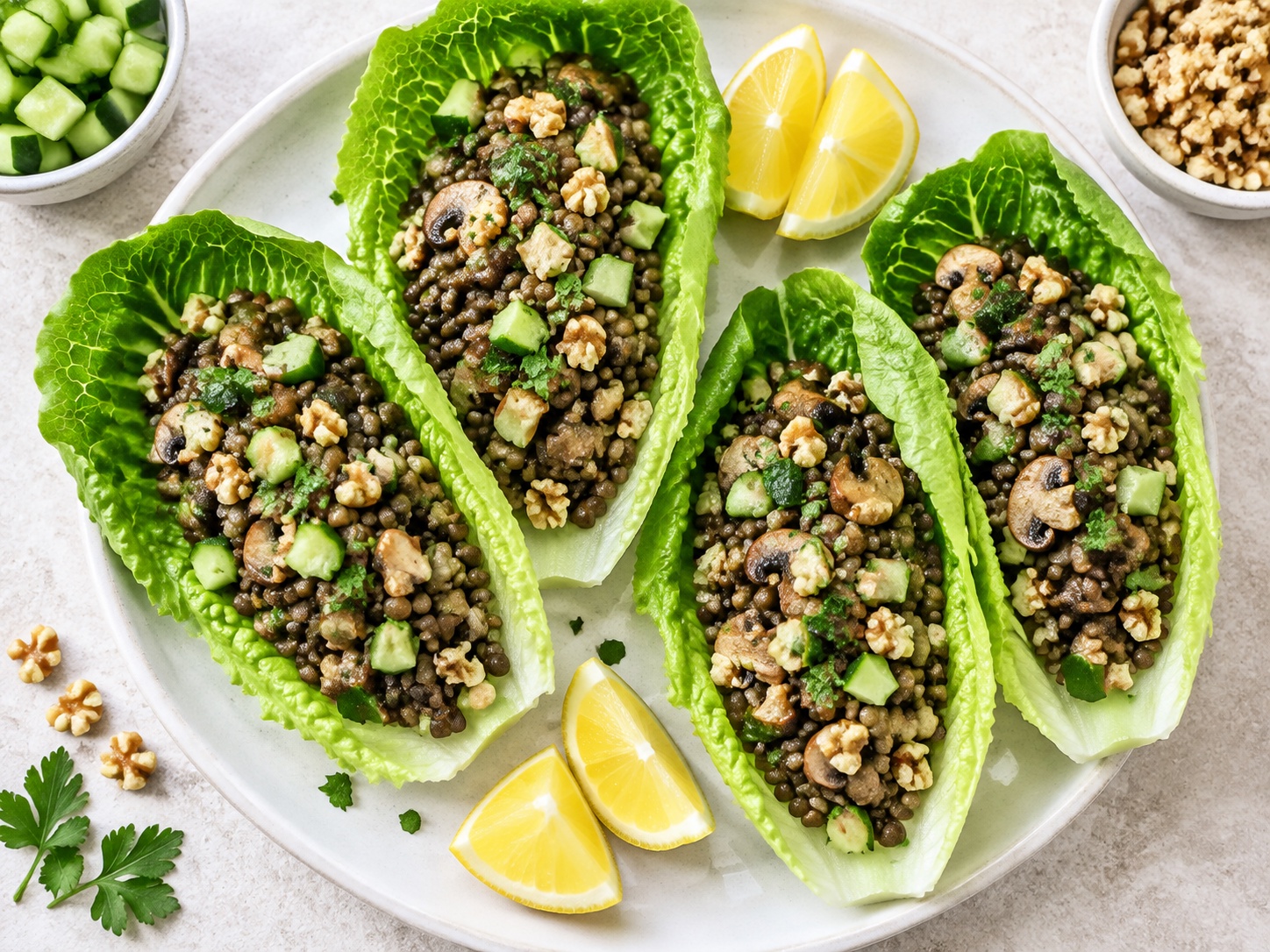
lunch
Mushroom, Walnut and Lentil Lettuce Boats with Roasted Sweet Potato on the Side
Nuts · Beans, lentils & chickpeas · Mushrooms
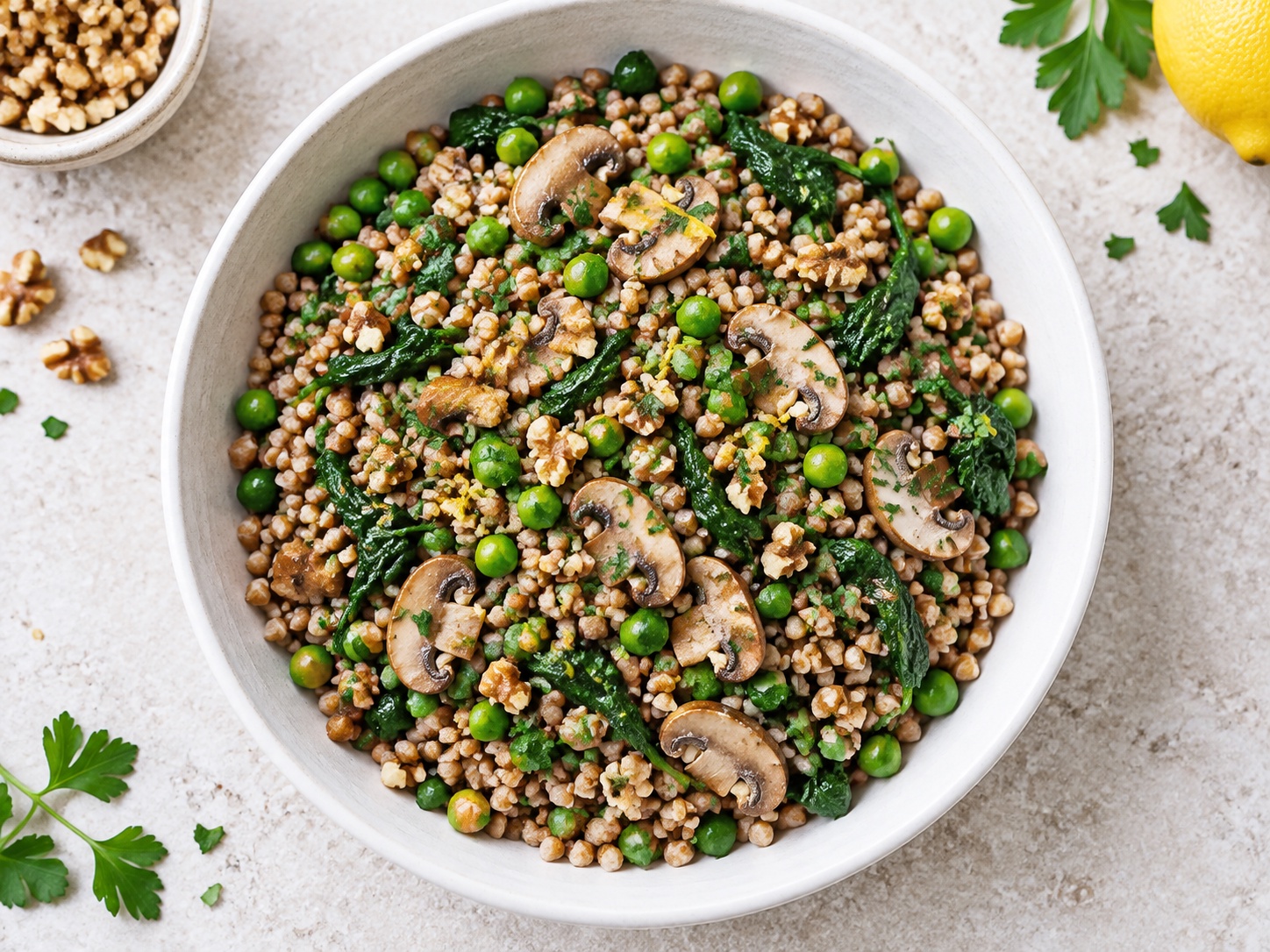
dinner
Lemon Buckwheat with Mushrooms, Peas & Parsley
Nuts · Mushrooms
Why it works
- Nuts: linked to lower mortality. PMID 24256379
- Beans, lentils & chickpeas: linked to longer survival in older adults. PMID 15228991
- Mushrooms: linked to lower mortality. PMID 37682230
DAY 02
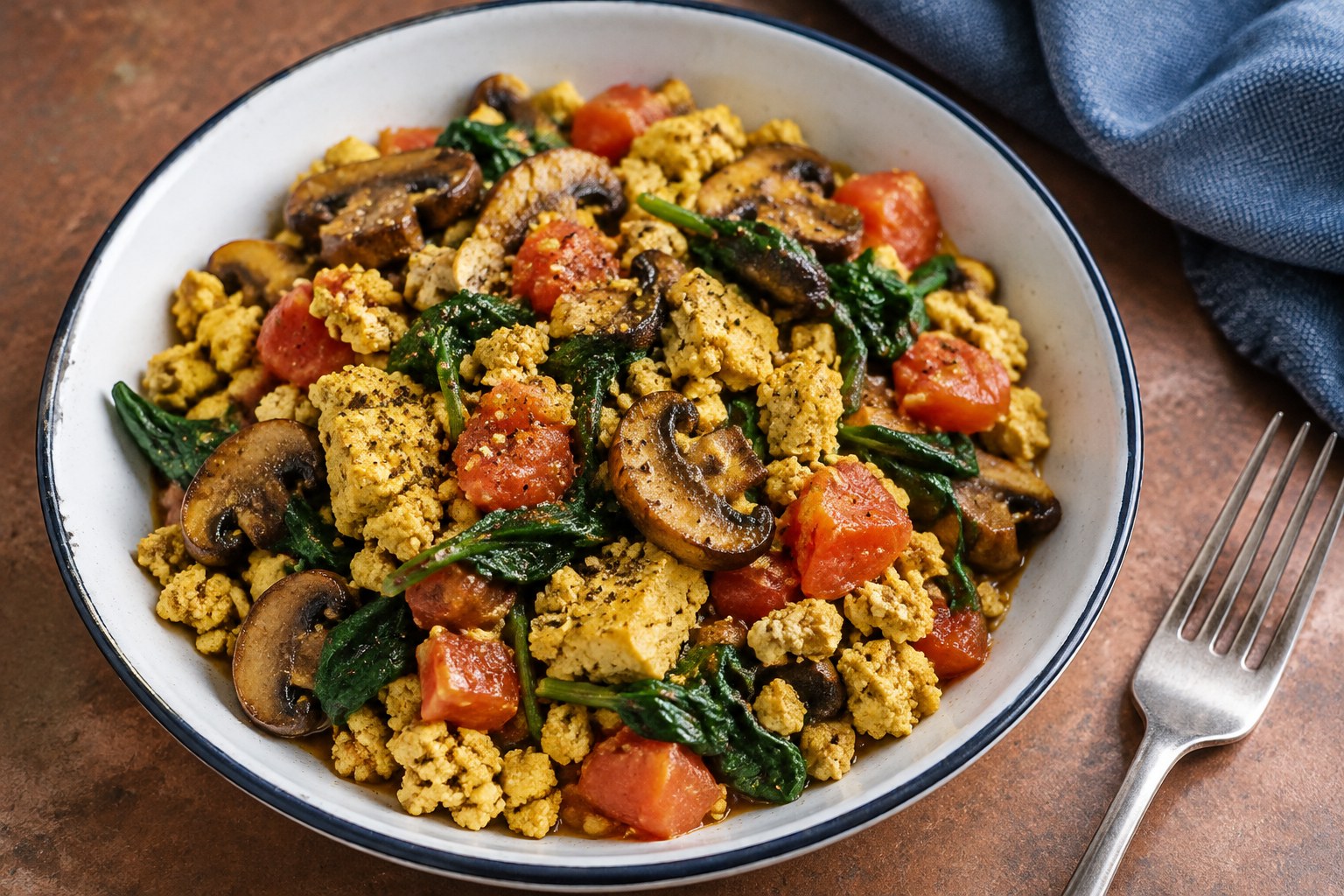
breakfast
Mushroom Spinach Breakfast Tofu
Mushrooms
lunch
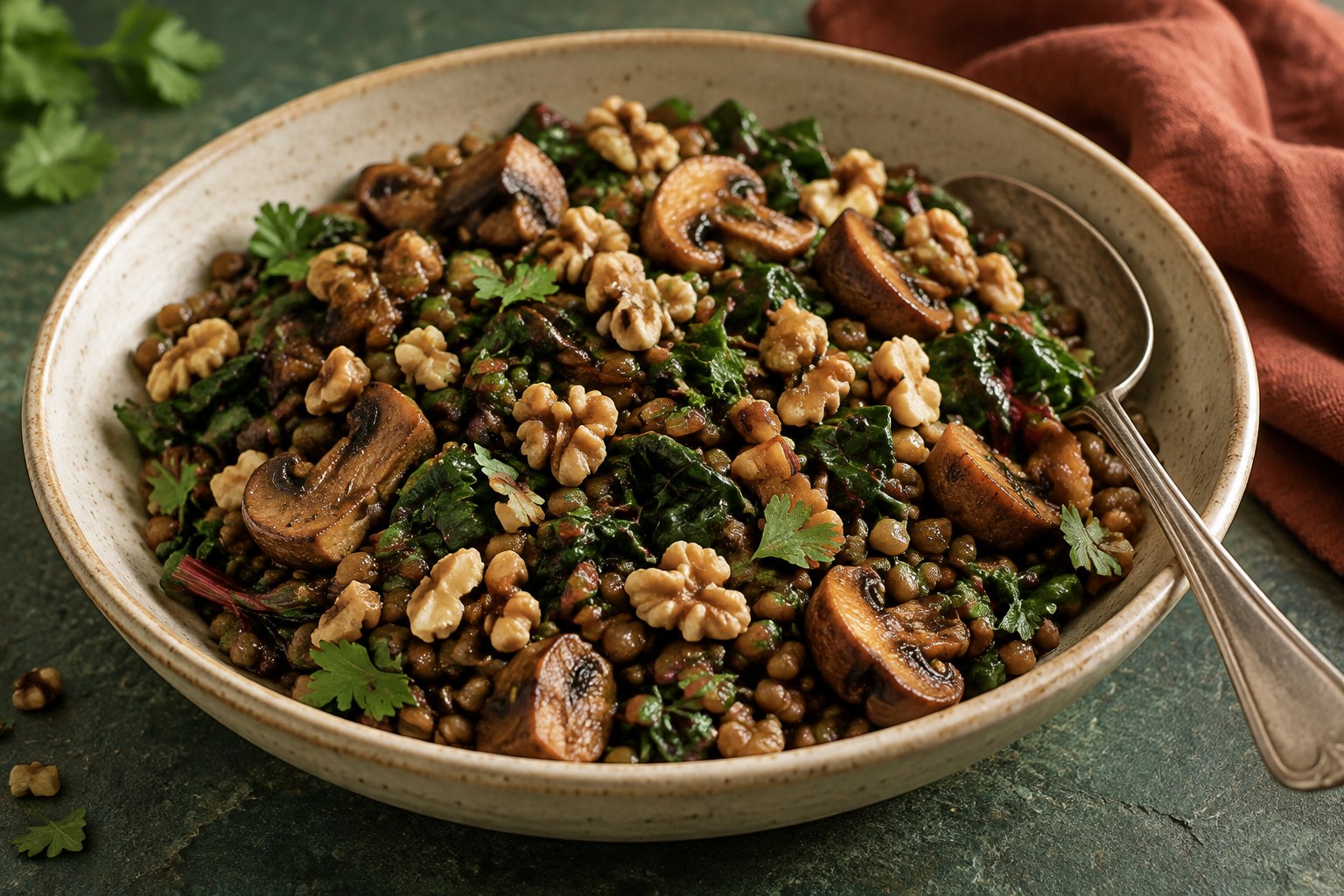
Warm Chard Lentil Salad with Mushrooms and Walnuts
Nuts · Beans, lentils & chickpeas · Mushrooms
dinner
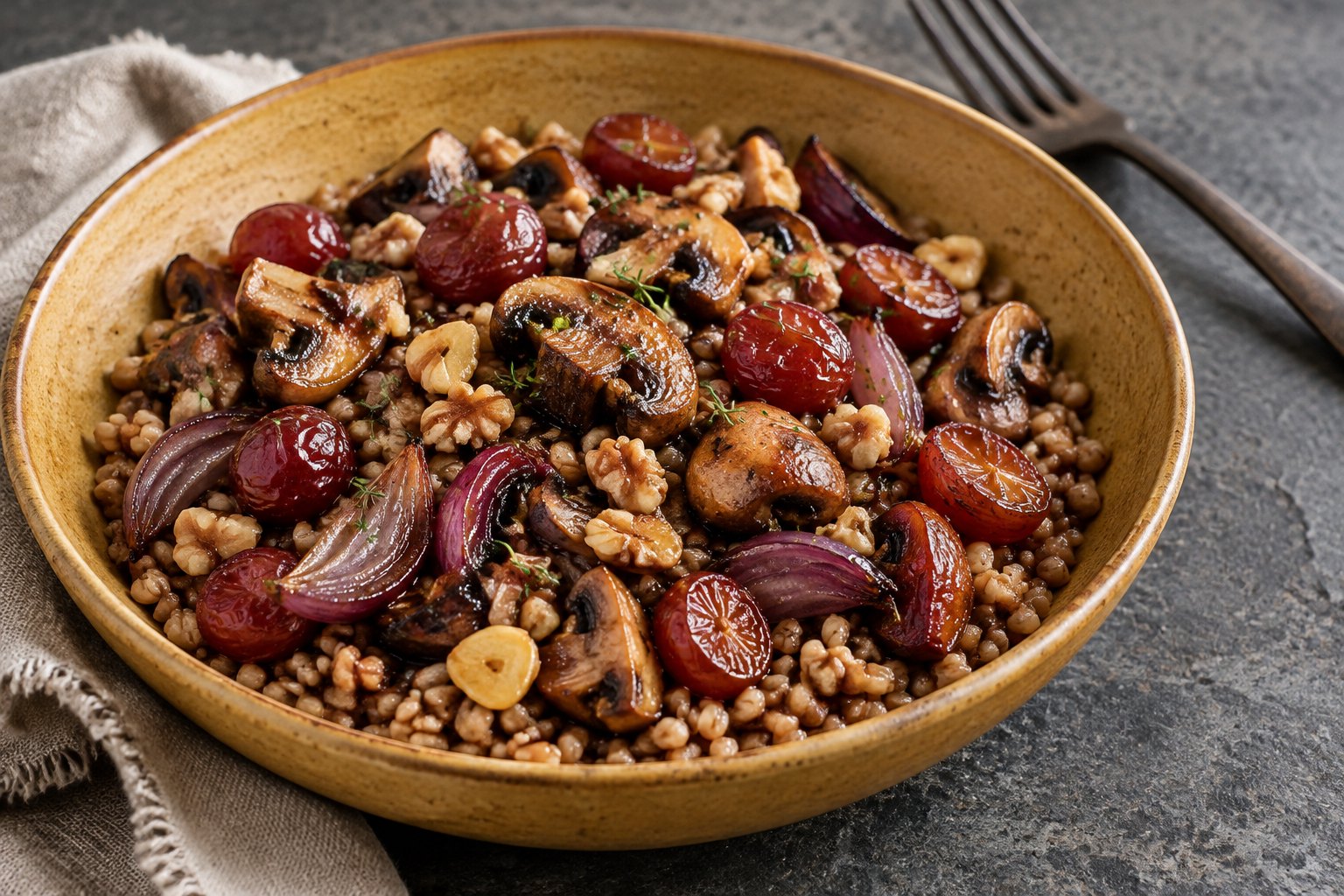
Roasted Grapes and Mushrooms over Rye Berries
Nuts · Mushrooms
Why it works
- Nuts: linked to lower mortality. PMID 24256379
- Beans, lentils & chickpeas: linked to longer survival in older adults. PMID 15228991
- Mushrooms: linked to lower mortality. PMID 37682230
DAY 03
breakfast
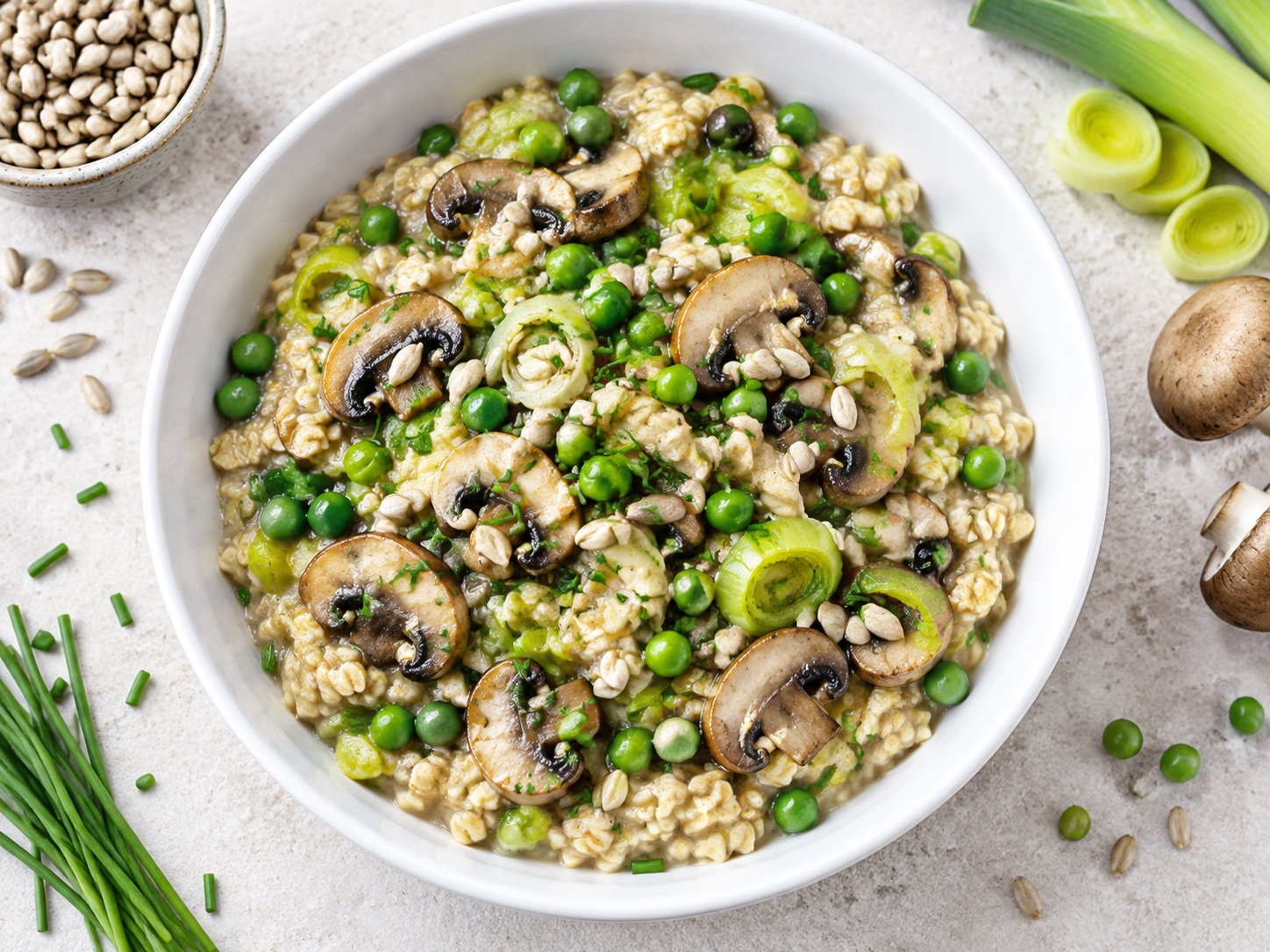
Savory Thyme Oats with Peas and Mushrooms
Mushrooms
lunch
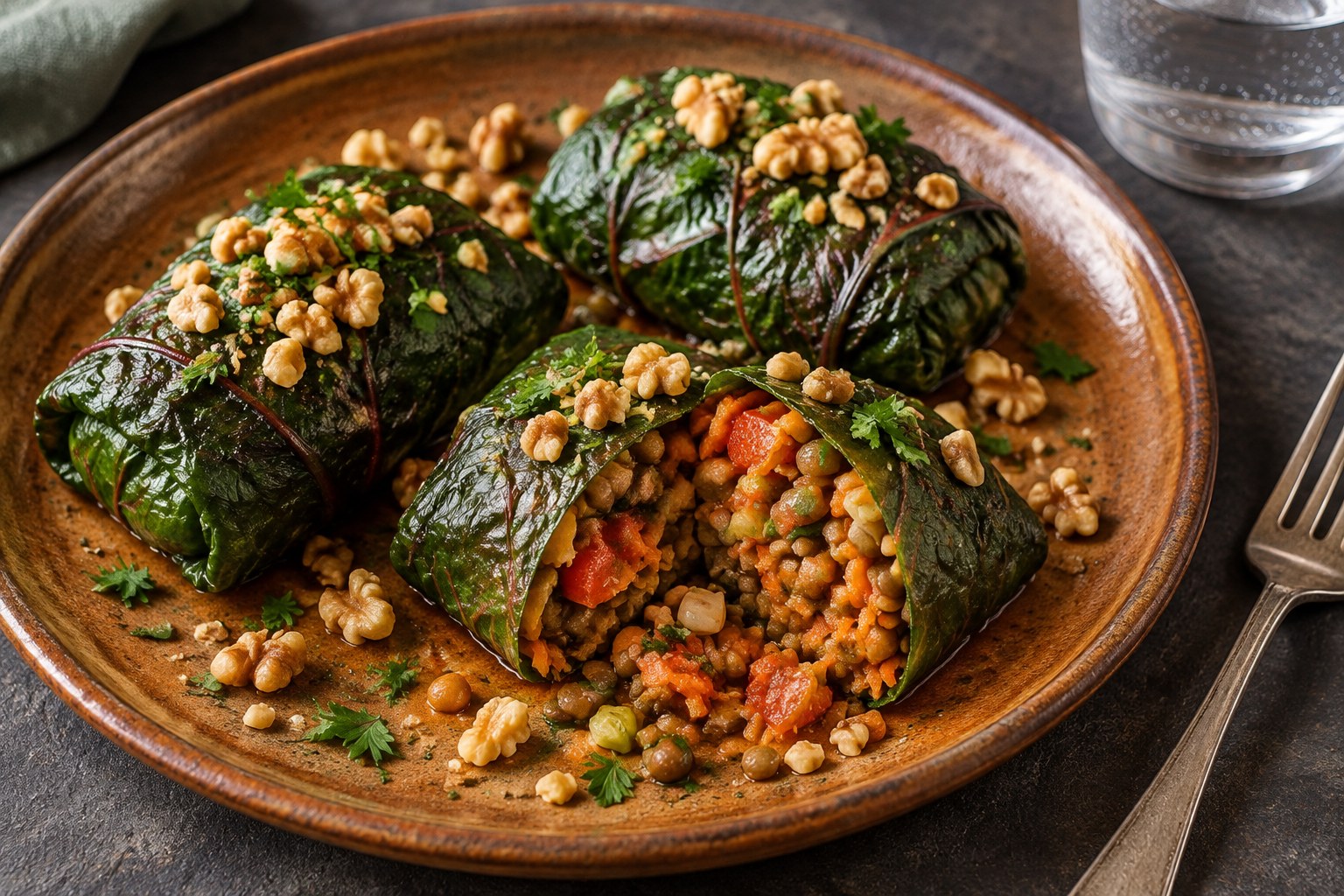
Blanched Chard Wraps with Lentils Tomato and Carrot
Nuts · Beans, lentils & chickpeas
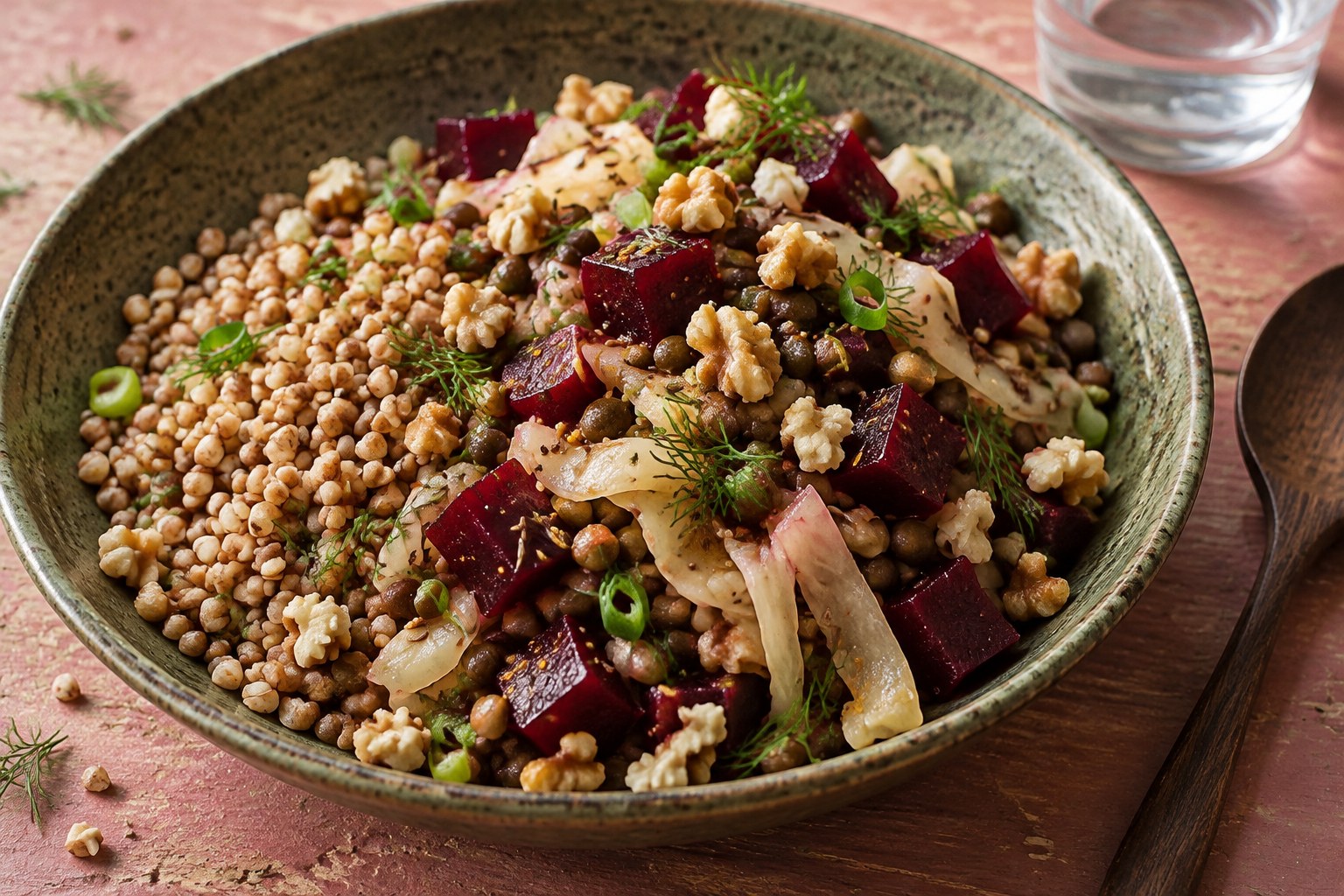
dinner
Buckwheat Bowl with Cabbage Beets and Dill Lentils
Nuts · Beans, lentils & chickpeas
Why it works
- Nuts: linked to lower mortality. PMID 24256379
- Beans, lentils & chickpeas: linked to longer survival in older adults. PMID 15228991
- Mushrooms: linked to lower mortality. PMID 37682230
The studies behind these 3 foods
- Nuts. In two large US cohorts, people eating nuts seven or more times a week had a 20% lower death rate than those eating none; the study was partly funded by a tree-nut foundation. Shows an association, not proof of cause. Bao Y, Han J, Hu FB, Giovannucci EL, et al. Association of nut consumption with total and cause-specific mortality. The New England journal of medicine, 2013. PMID 24256379
- Beans, lentils & chickpeas. Among 785 people aged 70 and over in five countries, each 20 g a day more legumes was associated with 7–8% lower risk of death. Shows an association, not proof of cause. Darmadi-Blackberry I, Wahlqvist ML, Kouris-Blazos A, Steen B, et al. Legumes: the most important dietary predictor of survival in older people of different ethnicities. Asia Pacific journal of clinical nutrition, 2004. PMID 15228991
- Mushrooms. Among 152,828 Korean adults followed for 11.6 years, eating mushrooms one to three times a week was associated with lower all-cause mortality than eating none. Shows an association, not proof of cause. Jung H, Shin J, Lim K, Shin S Edible mushroom intake and risk of all-cause and cause-specific mortality: results from the Korean Genome and Epidemiology Study (KoGES) Cohort. Food & function, 2023. PMID 37682230
FROM THE STUDY LIBRARY
The strongest evidence
930 peer-reviewed studies on healthy aging & longevity, each summarized from its published abstract. Pooled reviews and trials that assigned people a diet come first. Below, the newest of each, starting with studies of plant-based, vegan or vegetarian eating.
131
Reviews & meta-analyses
Pooled results from many studies on one question.
256
Clinical trials
People assigned to a diet, food or program and measured.
330
Observational studies
Patterns in how people eat and what happens to them. Shows an association, not proof.
213
Background reviews
An expert overview of the literature, useful as background reading.
Reviews & meta-analyses
2024 / Systematic review of 10 papers
High-fiber plant-based diets improve blood pressure, cholesterol levels, and glycemic management in middle-aged and older adults.
A systematic review of 10 papers (3 systematic reviews, 1 RCT, 2 observational studies, and 4 review articles) evaluated high-fiber, plant-based diets for reducing cardiovascular risk factors in middle-aged and older adults. The review found significant improvements in blood pressure, cholesterol levels, and glycemic management associated with these diets, emphasizing fiber's role in decreasing LDL cholesterol, enhancing insulin sensitivity, and reducing systemic inflammation. Key limitations noted across studies included self-reported dietary intake and variability in adherence.
Pandey M, AlQassab O, Kanthajan T, et al. Cureus, 2024. PMID 39314563
2024 / Systematic review and meta-analysis of observational studies
High intake of ultra-processed food was linked to an increased risk of dementia in adults.
A systematic review and meta-analysis evaluated 10 observational studies (8 longitudinal) covering 867,316 individuals to examine ultra-processed food (UPF) intake and dementia risk. High versus low intake of UPF was associated with an increased risk of dementia (pooled relative risk 1.44, 95% CI 1.09-1.90, p = 0.02; I2 = 97.0%). Moderate versus low intake of UPF was not significantly associated with dementia risk (pooled relative risk 1.12, 95% CI 0.96-1.31, p = 0.13; I2 = 85.0%). Funnel plots demonstrated a low risk of publication bias.
Shows an association, not proof of cause and effect.
Henney AE, Gillespie CS, Alam U, et al. J Neurol, 2024. PMID 37831127
2024 / Systematic review and dose-response meta-analysis
Higher serum vitamin B12 concentrations were linked to an increased risk of all-cause mortality, especially in older adults.
A systematic review and dose-response meta-analysis of 22 cohort studies (92,346 individuals, 10,704 all-cause deaths) evaluated serum vitamin B12 levels and mortality risk. Each 100 pmol/L increase in serum vitamin B12 was associated with a 4% higher risk of all-cause mortality in the general population (adjusted HR 1.04, 95% CI 1.01 to 1.08) and a 6% higher risk in older adults (adjusted HR 1.06, 95% CI 1.01 to 1.13). High concentrations (>600 pmol/L) were linked to all-cause mortality (adjusted HR 1.50, 95% CI 1.29 to 1.74) and CVD mortality (adjusted HR 2.04, 95% CI 0.99 to 4.19), but not cancer mortality (adjusted HR 1.56, 95% CI 0.82 to 2.95). Evidence was mixed for cardiovascular mortality and limited for cancer mortality.
Shows an association, not proof of cause and effect.
Liu K, Yang Z, Lu X, et al. Arch Gerontol Geriatr, 2024. PMID 38252787
Clinical trials
2023 / Randomized controlled trial
A low-fat vegan diet with daily soybeans reduced moderate-to-severe hot flashes by 88% in postmenopausal women.
Postmenopausal women were randomized to a 12-week intervention including a low-fat, vegan diet and cooked soybeans (1/2 cup [86 g] daily) or a control group with no dietary changes. In the intervention group, moderate-to-severe hot flashes decreased by 88% compared to 34% in the control group (between-group P < 0.001). At 12 weeks, 50% of completers in the intervention group reported no moderate-to-severe hot flashes, compared to no change from baseline among controls (P < 0.001). The intervention group also experienced greater reductions in vasomotor (P = 0.004), physical (P = 0.01), and sexual (P = 0.03) domains of quality of life, with improvements independent of equol production status or seasonality.
Barnard ND, Kahleova H, Holtz DN, et al. Menopause, 2023. PMID 36253903
2021 / Randomized controlled trial
A low-fat vegan diet with daily cooked soybeans significantly reduced the frequency and severity of hot flashes in postmenopausal women.
Postmenopausal women were randomly assigned to a low-fat, vegan diet including 1/2 cup (86 g) of cooked soybeans daily, or to no diet changes for 12 weeks. Total hot flashes decreased 79% in the intervention group compared to 49% in controls (between-group P = 0.01), and moderate-to-severe hot flashes decreased 84% versus 42% (between-group P = 0.01). Furthermore, 59% (10/17) of the intervention group became free of moderate and severe hot flashes, while the control group saw no change (between-group P < 0.001). Significantly greater improvements were also observed in the intervention group across vasomotor, psychosocial, physical, and sexual quality of life domains.
Barnard ND, Kahleova H, Holtz DN, et al. Menopause, 2021. PMID 34260478
2019 / Two-arm randomized controlled trial
A lacto-ovo-vegetarian diet rich in omega-3 reduced vasomotor symptoms in postmenopausal women more than one rich in extra-virgin olive oil.
A 16-week randomized controlled trial compared a lacto-ovo-vegetarian diet rich in omega-3 fatty acids to one rich in extra-virgin olive oil (EVO) in postmenopausal women. Among 40 women who completed the study, the omega-3 group (n=18) achieved significantly greater improvements than the EVO group (n=22) in the Kupperman index (Δ = -11.4±9.8 vs. -5.9±8.2; p=0.045) and hot flashes (Δ = -3.3±3.4 vs. -1.3±2.6; p=0.04). A marginally significant improvement was noted for nervousness (Δ = -1.7±1.7 vs. -0.8±1.5; p=0.07), with no significant differences in secondary anthropometric or biohumoral measures.
Rotolo O, Zinzi I, Veronese N, et al. Endocr Metab Immune Disord Drug Targets, 2019. PMID 31132980
FROM THE KITCHEN
More recipes with foods studied for healthy aging
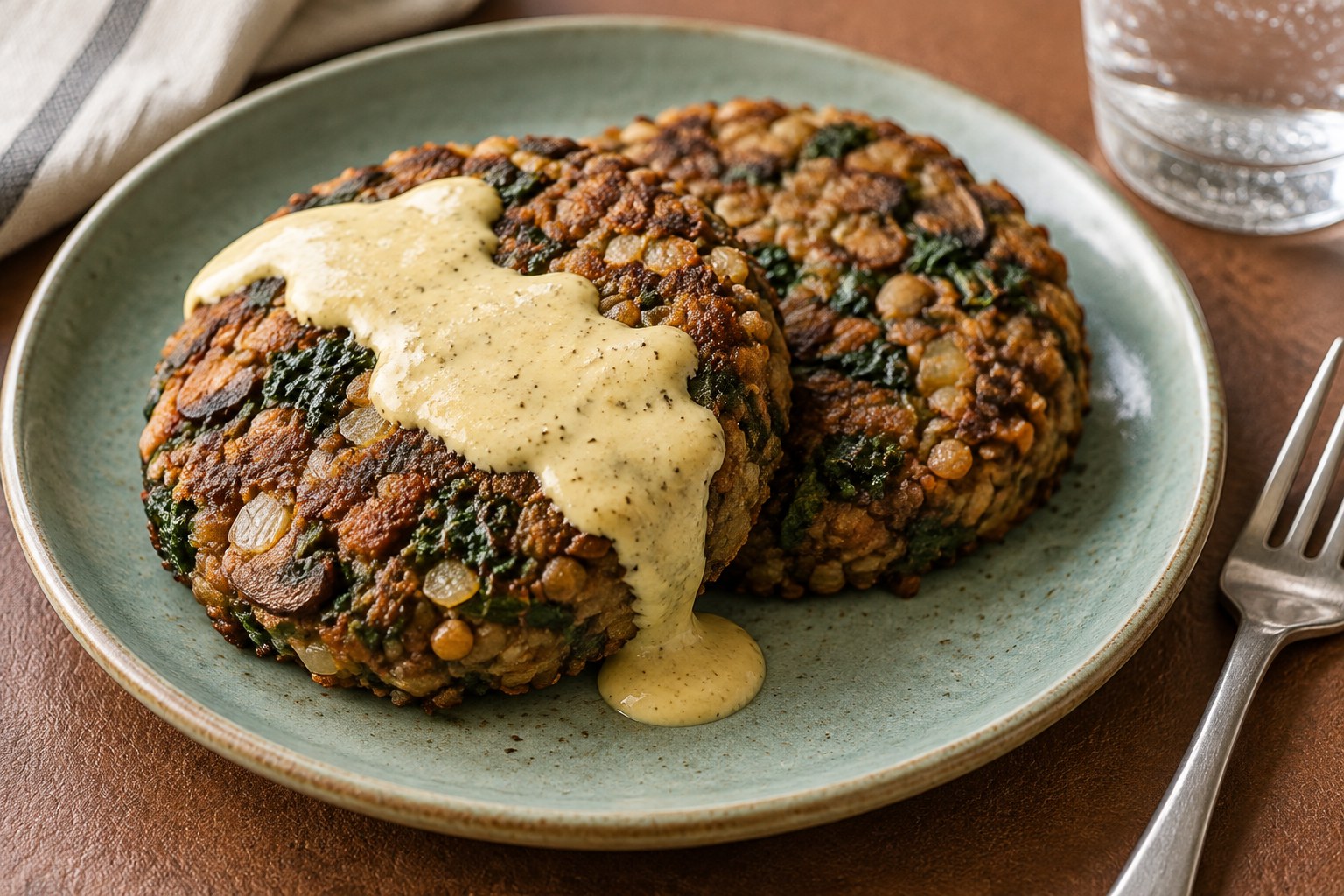
Baked Lentil Mushroom and Kale Cakes
Nuts · Beans, lentils & chickpeas · Mushrooms
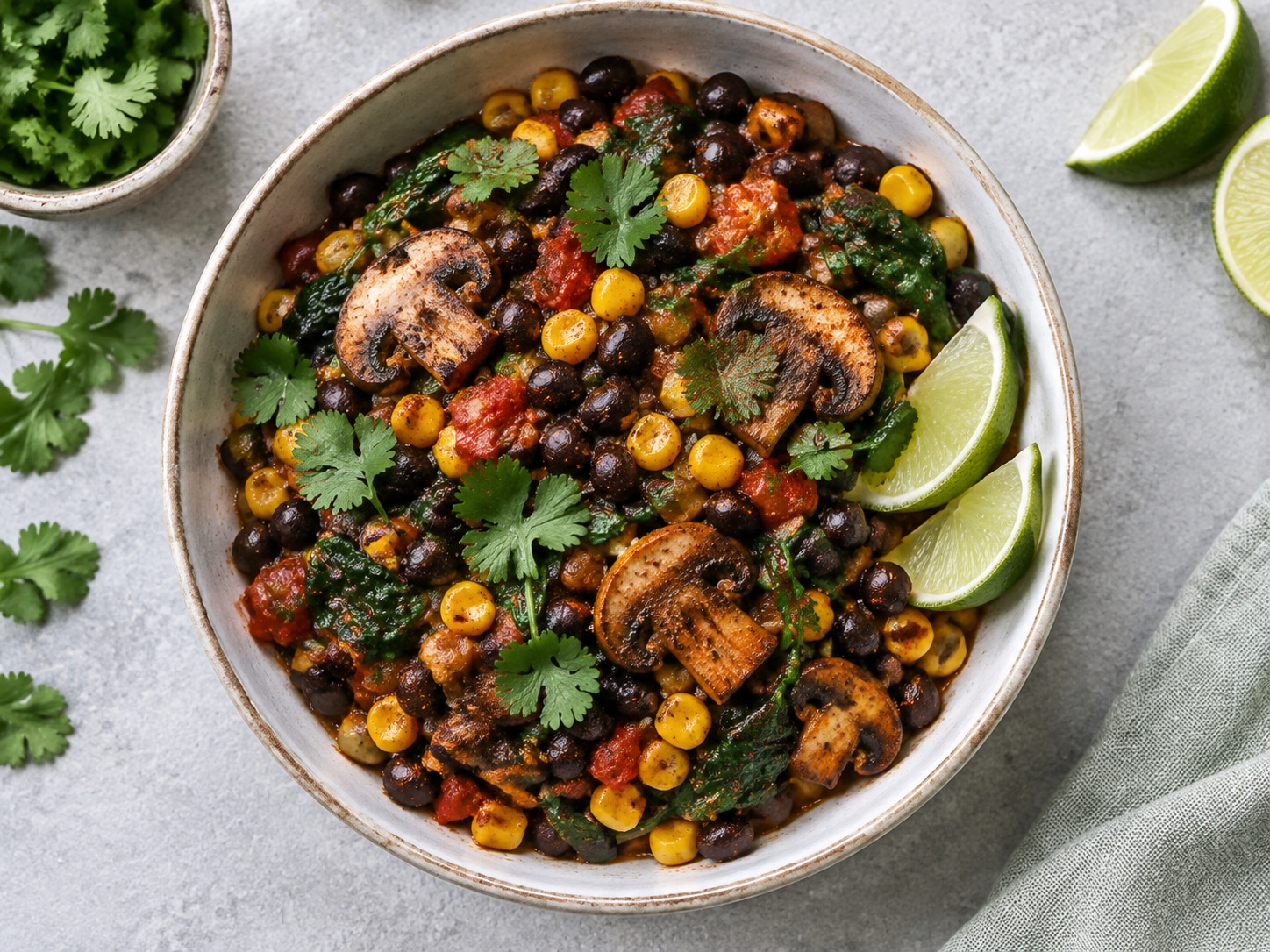
Smoky Black Bean, Mushroom & Corn Skillet
Beans, lentils & chickpeas · Mushrooms
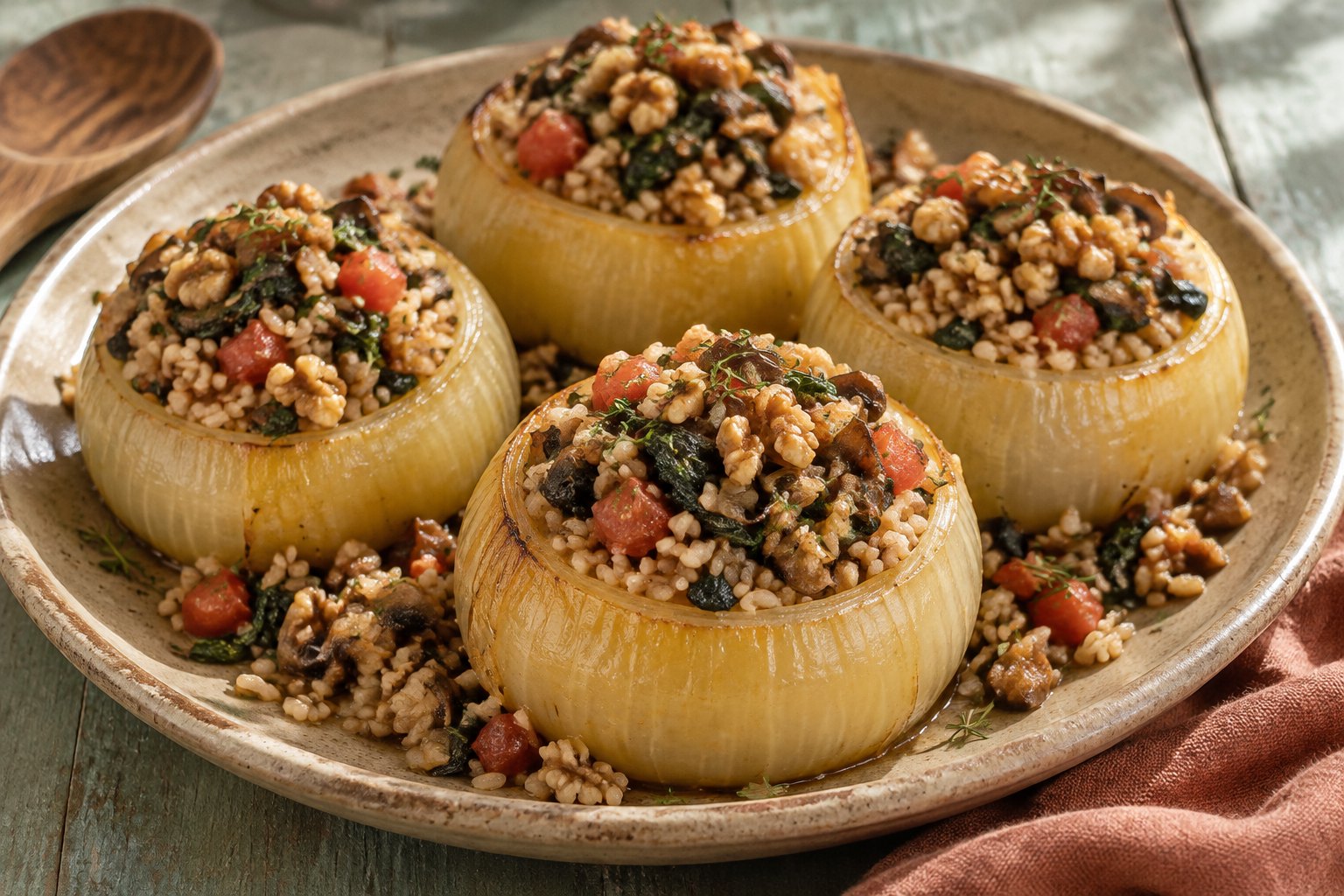
Mushroom Walnut Stuffed Onions with Brown Rice
Nuts · Mushrooms
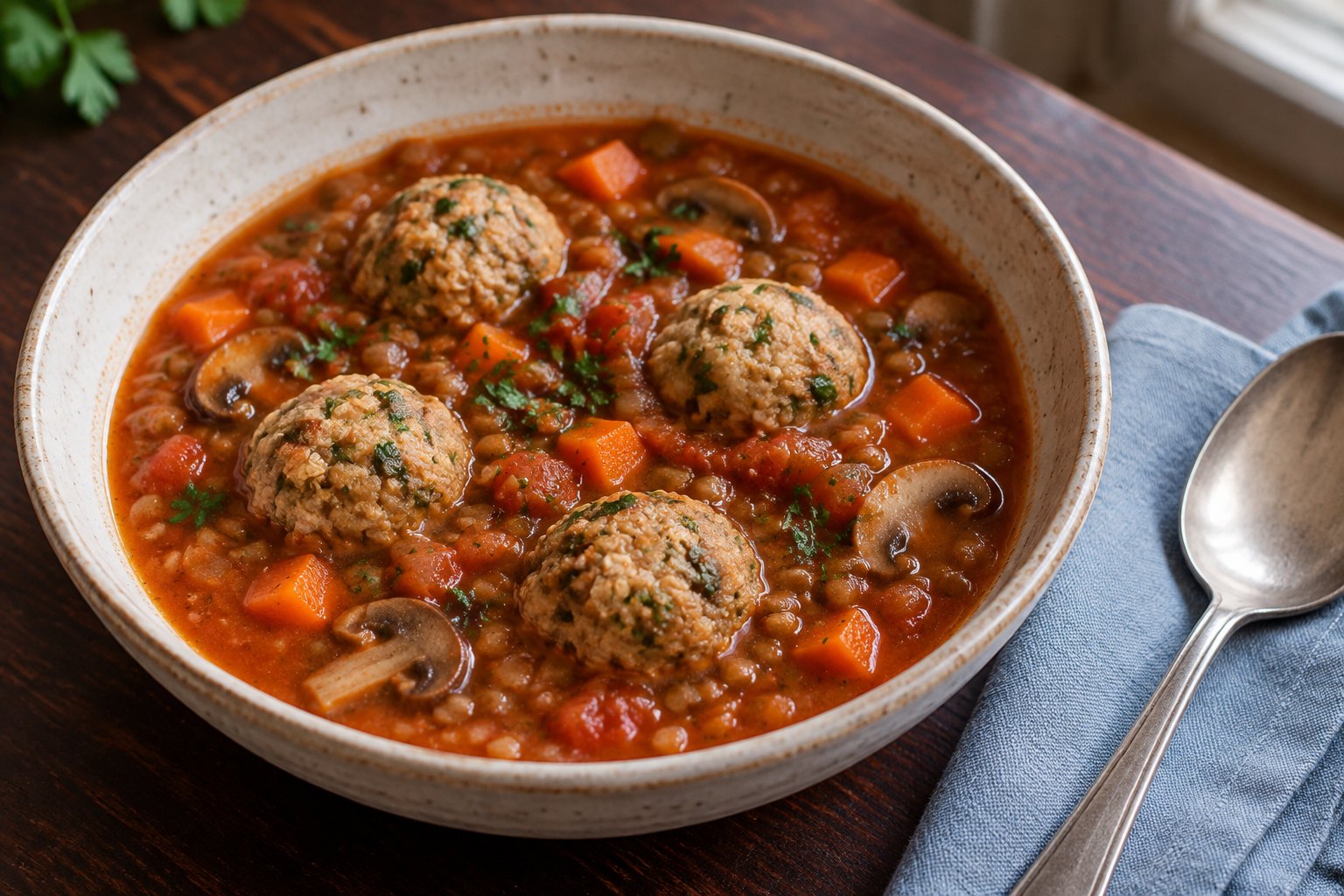
Tomato Lentil Soup with Oat Parsley Dumplings
Beans, lentils & chickpeas · Mushrooms
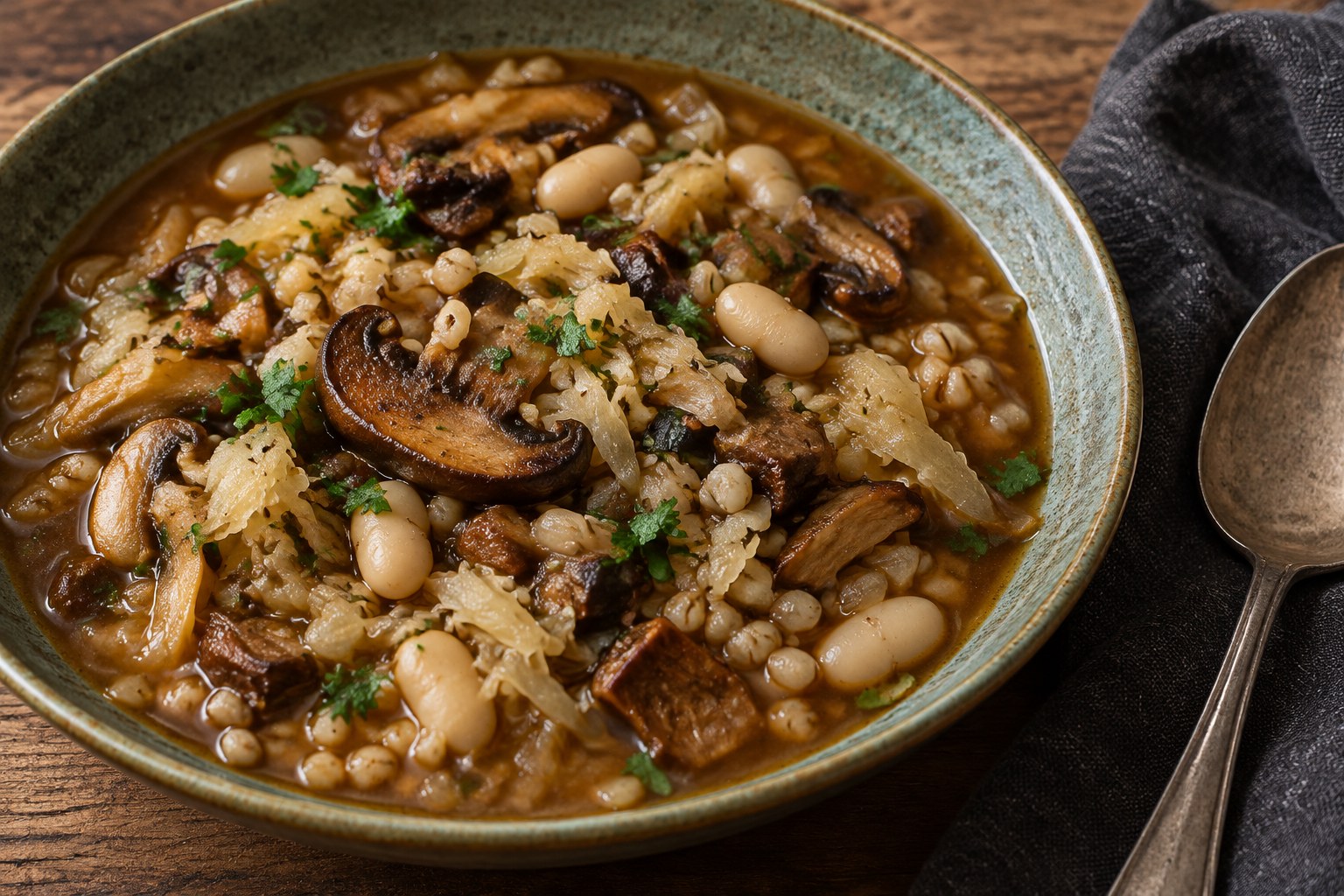
Barley Mushroom and Sauerkraut Pot
Beans, lentils & chickpeas · Mushrooms
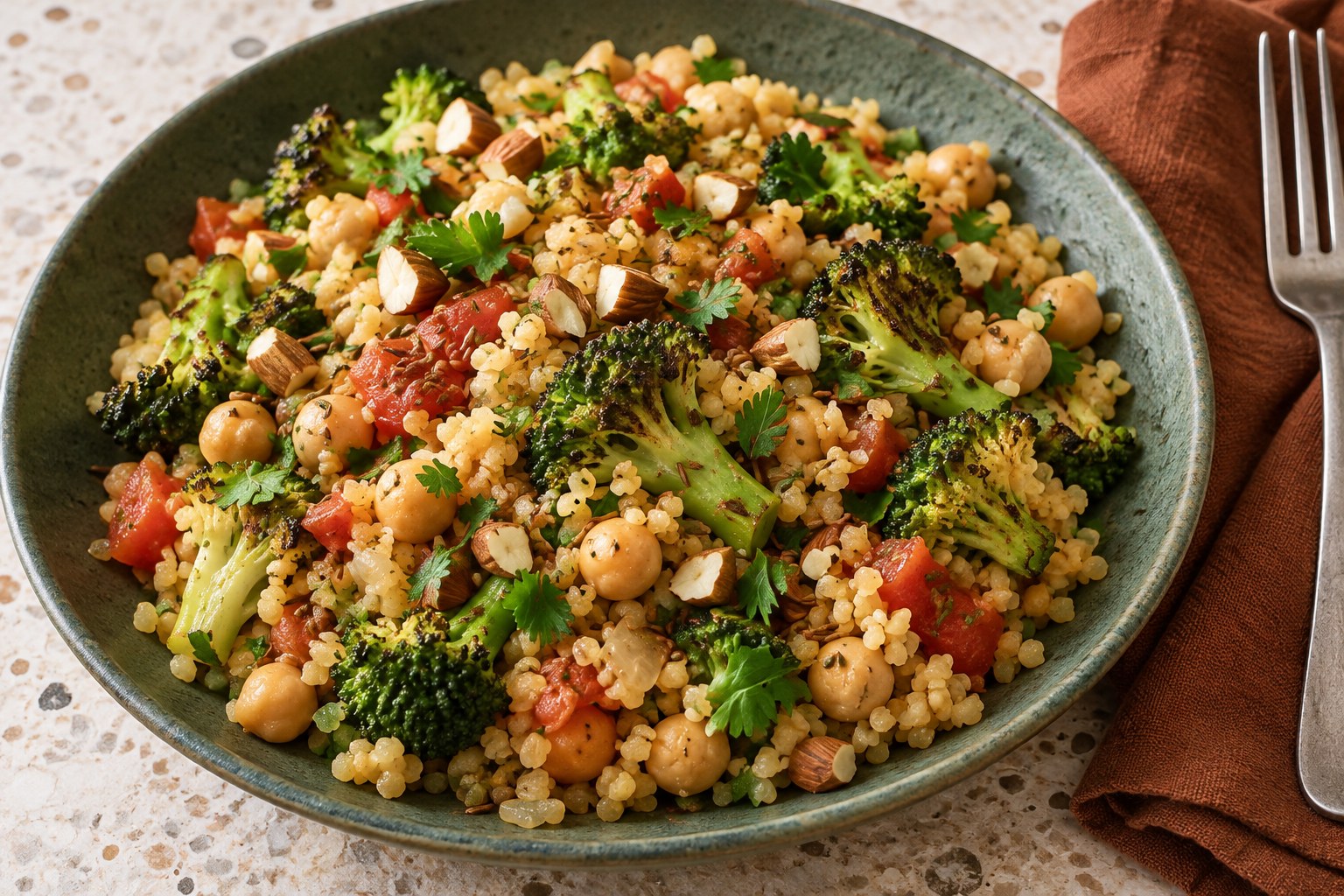
Lemon Bulgur Chickpea and Broccoli Skillet
Nuts · Beans, lentils & chickpeas